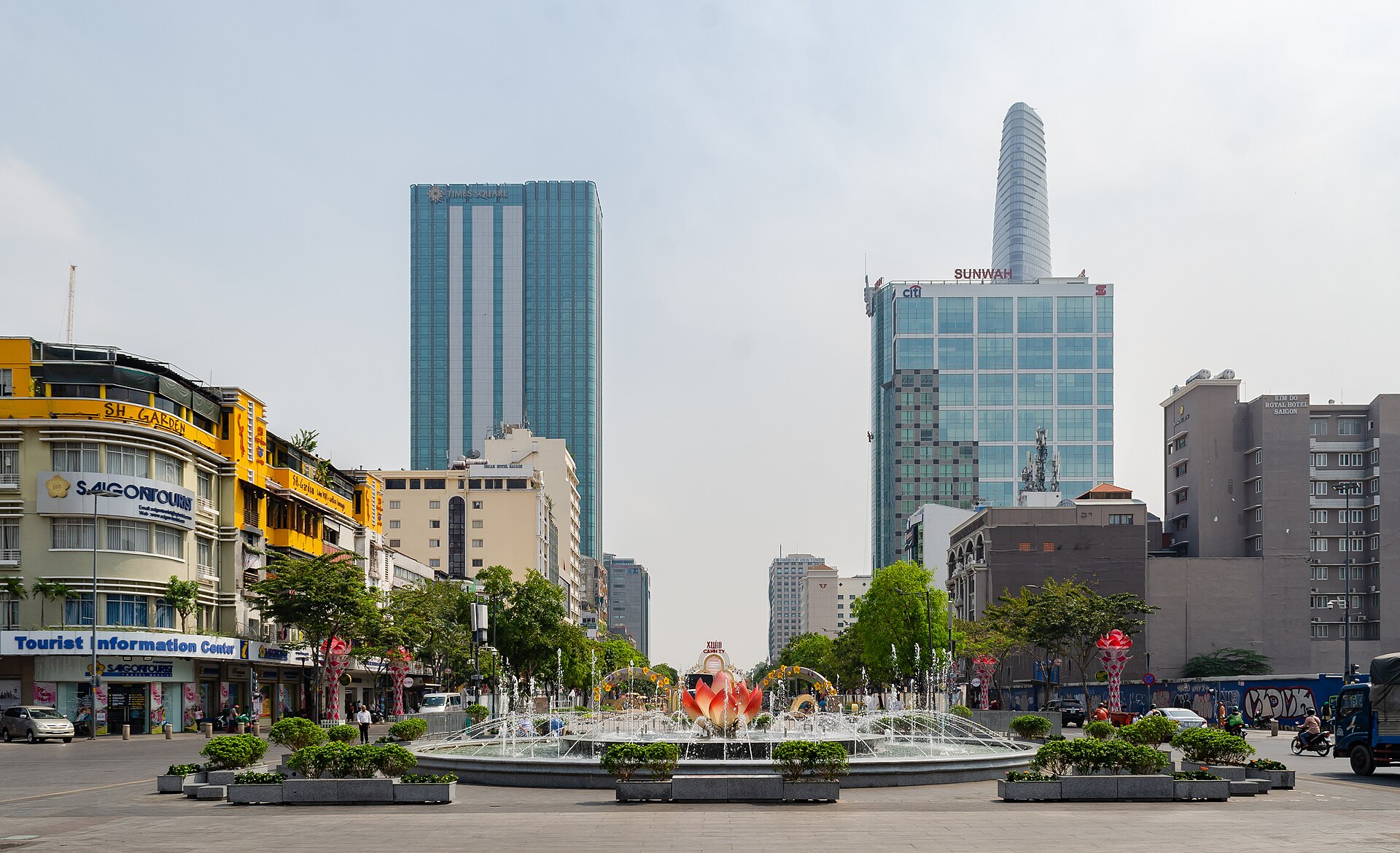
Vietnam sold roughly 542,000 vehicles in 2025, a rise of 20.3 percent on the previous year, according to a PwC overview of the six largest ASEAN auto markets reported by The Investor. The same six markets combined grew 1.9 percent. Thailand was flat and Indonesia fell 7.2 percent. It was among the fastest expansions in the region, and it came while a new domestic manufacturer rewrote the competitive map.
That combination, fast volume growth and a crowded, unsettled field of brands, is the usual precondition for a surge in advertising. It is also why automotive commercial production in Vietnam has become a line item that regional marketing directors now review with more care than they did three years ago.
A market that grew while its leader changed
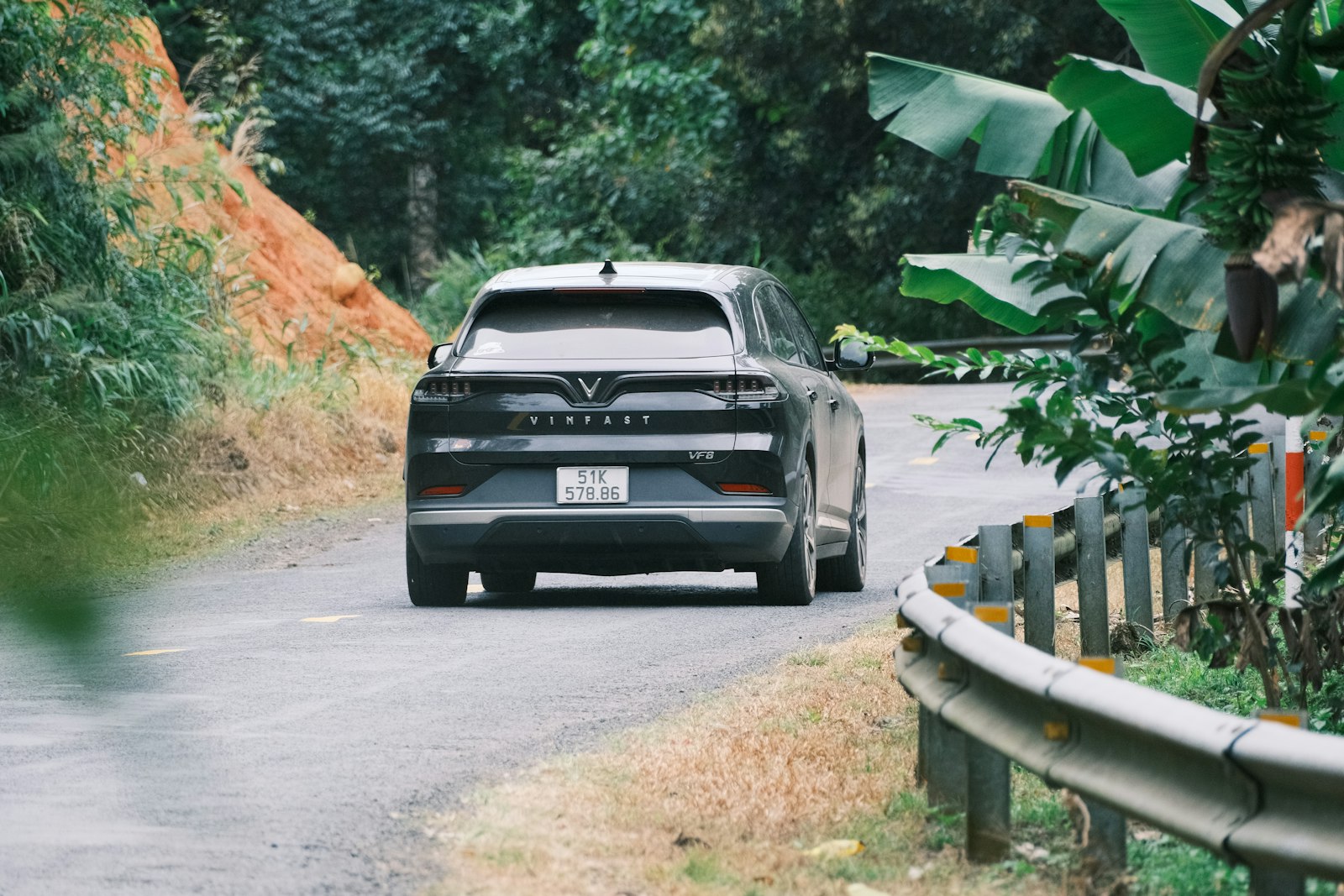
The reordering is led by VinFast, which reported delivering 175,099 electric vehicles to customers in Vietnam in 2025, a record for the brand. Trade body VAMA, whose figures exclude VinFast and Hyundai, counted 313,359 vehicles sold by its members, up 6 percent, with passenger car sales slipping 1 percent. Put together, the data describe a market where the growth is arriving from a new direction while established importers and assemblers defend ground.
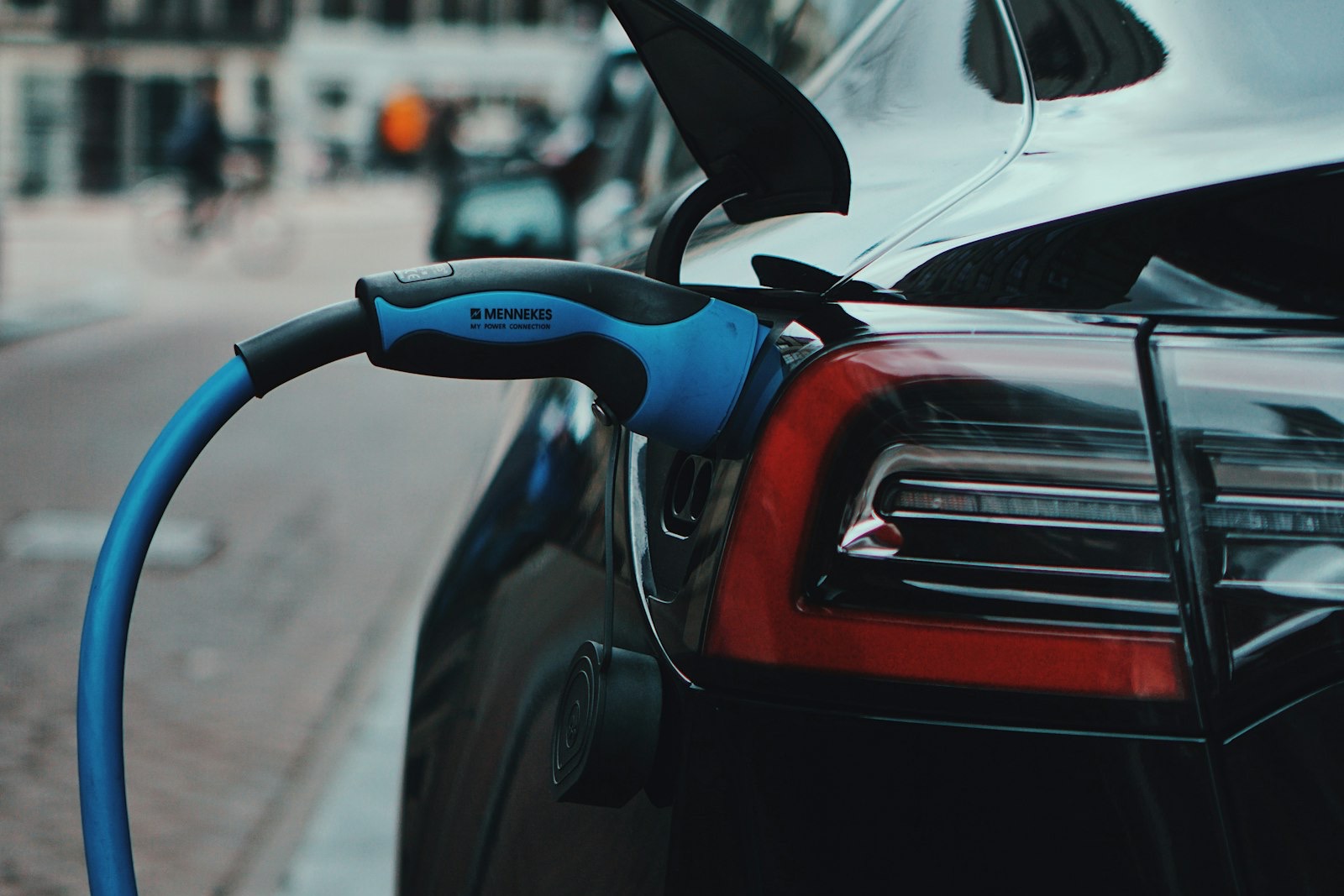
PwC’s reading adds a second marker: electrified vehicles, a category covering battery electric and hybrid models, reached 36 percent of Vietnamese sales in 2025, against an ASEAN six average of 26 percent. A Ministry of Finance decision to extend the registration tax exemption for battery electric vehicles into February 2027 keeps that policy tailwind in place for another season.
For anyone commissioning film, the consequence is practical. A category in which technology, price tier and brand origin are all in motion tends to produce more work, not less: launches, model refreshes, financing offers, charging network stories, dealer content and regional adaptations.
Where the money goes once a launch is approved
Advertising budgets are moving toward video, and automotive is one of the sectors that carries long form brand storytelling better than most. Dentsu’s global forecast puts total ad spend above 1 trillion dollars for the first time in 2026, and estimates online video growing at 11.5 percent, roughly twice the pace of the overall market. WARC, using a wider method, sizes the same year at 1.30 trillion dollars and notes that almost 80 percent of spend now flows to retail media, paid search and social, the channels where car brands increasingly buy their reach.
Vietnam’s own numbers are harder to pin down. Published estimates of the national digital advertising market vary widely, from about 1.1 billion dollars in an IMARC series to nearly 5 billion in a Research and Markets projection, a gap that mostly reflects differing definitions of scope. What the sources agree on is direction and device: mobile accounts for somewhere between 65 and 85 percent of digital ad spend, depending on the tracker, and video is described as the preferred format.
Why the shoot is increasingly commissioned locally
International automakers have long produced hero films in Europe, Australia or the United States and adapted them for Asia. That model is under pressure on two fronts. Local brands, VinFast first among them, are building their identity around Vietnamese roads, cities and family settings, which are difficult to simulate abroad. And regional teams working with global brands are being asked to deliver more versions, for more channels, at a pace the single hero shoot was not designed for.
Southeast Asian production cost comparisons, covered elsewhere on this site, consistently place Ho Chi Minh City below Singapore and often below Bangkok for equivalent crew and equipment. A production house in Saigon can therefore stage the national version of a campaign, the shorter social cuts and the dealer material in one programme, rather than splitting them across territories.
The cities themselves are part of the appeal. Dense, fast moving and visually legible, Ho Chi Minh City supplies the urban texture that automotive filmmakers usually need to build elsewhere, while the highlands of Lam Dong and the coastal roads toward Vung Tau are a few hours from the city centre. Studios such as Hoang Films, which has worked in the city for about three years across more than fifty projects for consumer and lifestyle brands, are one of the local options now being weighed against regional hubs.
What to watch through 2027
Three questions will shape the next round of automotive commissioning. The first is whether the electric share keeps climbing once the tax exemption approaches its end date. The second is how quickly Chinese entrants, already visible in Vietnam’s showrooms, convert awareness into local campaigns with local casts. The third is how much of the content budget shifts from a single flagship film to a library of shorter pieces across social video, an area where eMarketer estimates US social video ad spend alone has overtaken online and connected TV video in 2026.
None of these questions favours a particular producer. They do, however, favour markets where crews are experienced, costs are legible and decisions can be made quickly. Vietnam currently meets most of those conditions, and the country’s car market is adding the one thing the production sector cannot manufacture on its own: a steady supply of briefs. Readers tracking the sector can review recent work in the studio’s filmography, or follow the wider market in the coverage of Vietnam’s video production market.