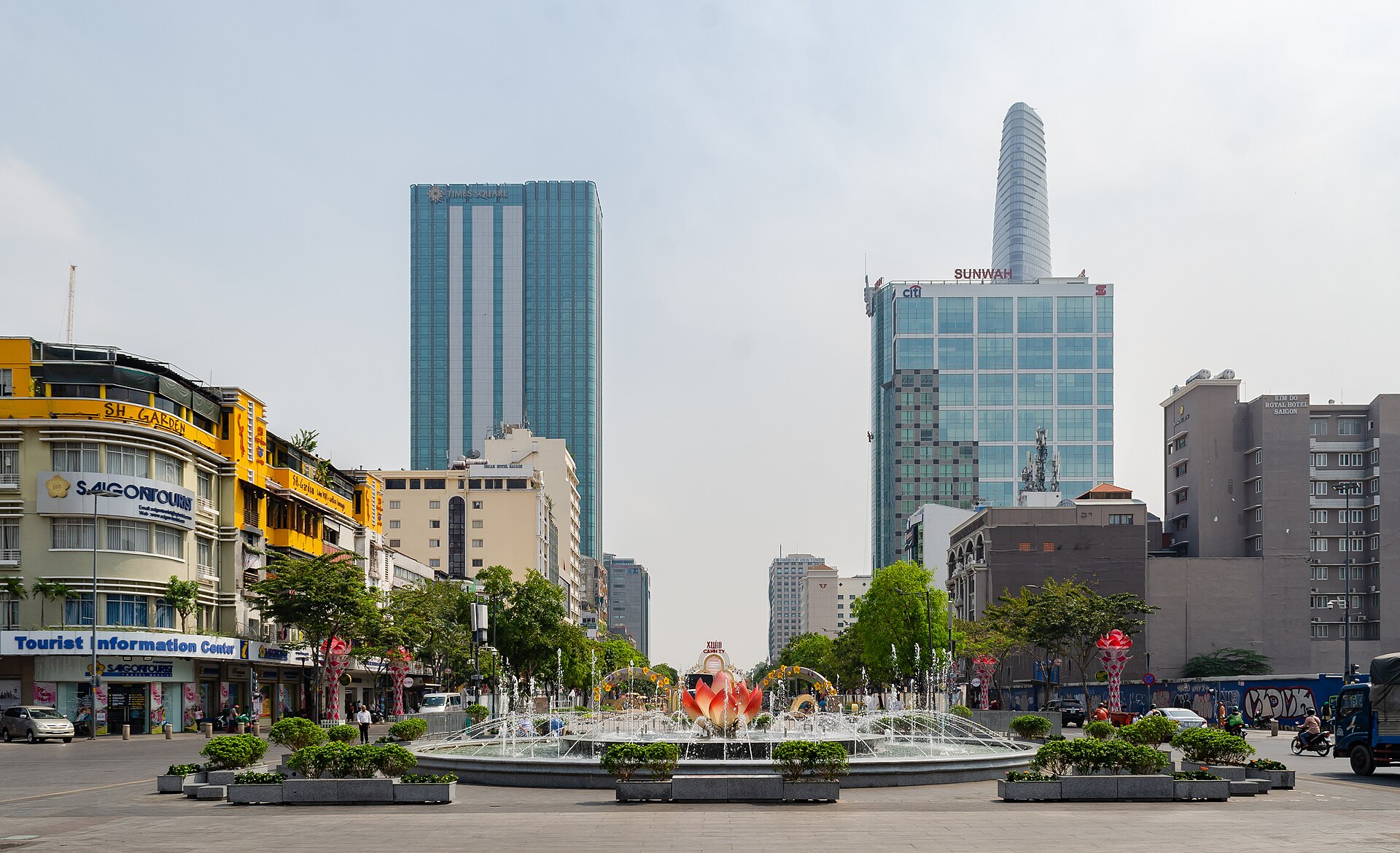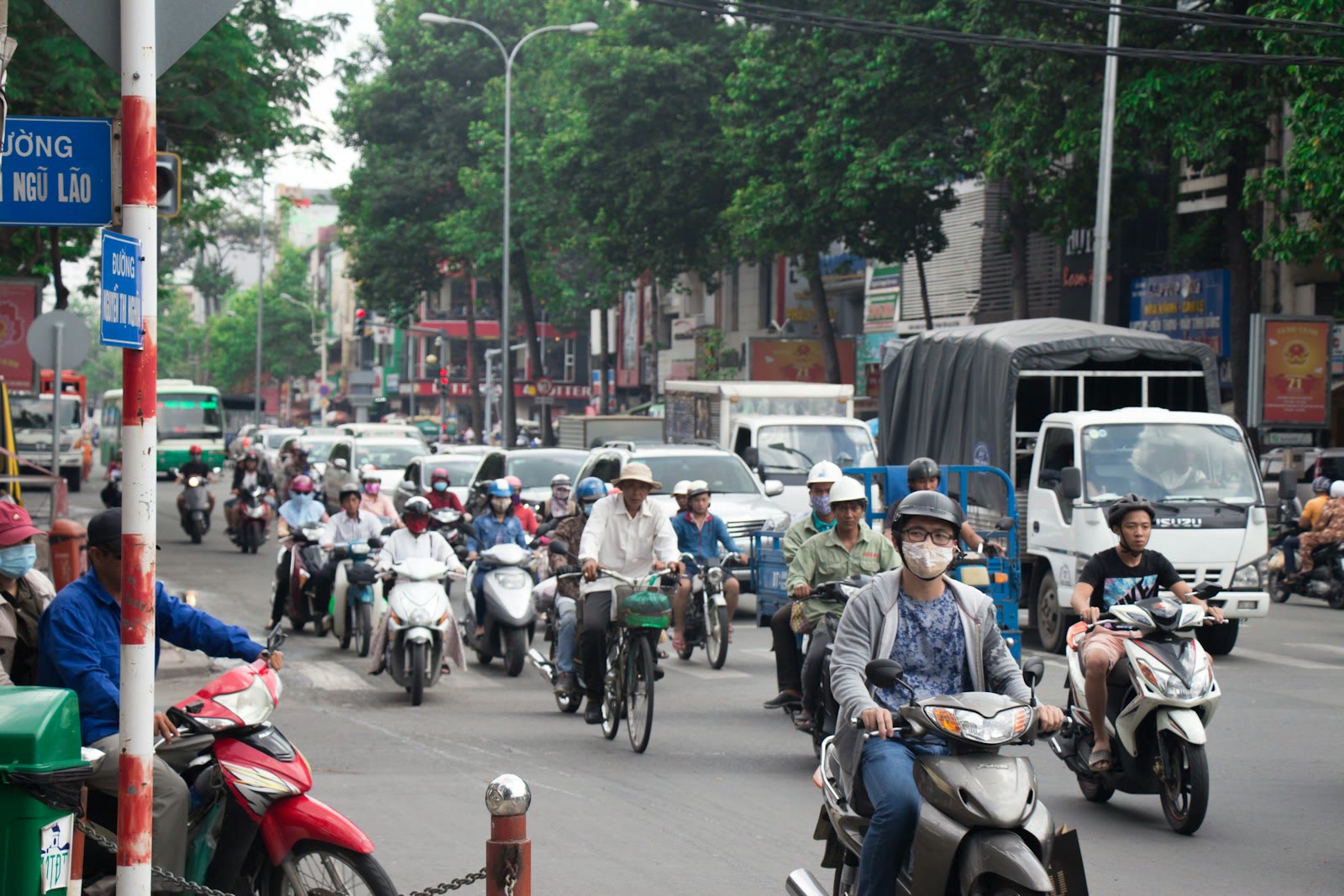
Vietnam’s digital economy is forecast to reach roughly 39 billion USD in gross merchandise value in 2025, up from 34 billion a year earlier, according to the e-Conomy SEA 2025 report from Google, Temasek and Bain & Company. Digital payments account for a large share of that activity, with the same report putting transaction value near 178 billion USD. A sector that moves that much money has to explain itself to a population that is still learning whom to trust with it. Increasingly, the explanation arrives as video, and fintech video production in Vietnam has become a category in its own right.
A payments economy that has outrun its own explanation
The scale of adoption is the first fact. The e-Conomy SEA report counts around 30 million active electronic wallets in the country, and NAPAS, the national payments network, reported that cashless transaction volume grew 44.4 percent in the first seven months of 2025. QR codes, once a novelty at a handful of Saigon cafés, now sit on the counters of market stalls and street vendors, a shift that local press has documented from Ben Thanh Market outward.
Adoption at that speed leaves a gap. Banks, wallets, lenders and insurers have spent years acquiring users; the harder task is persuading those users to stay, to borrow, to move savings. That is a communication problem, and communication in Vietnam is overwhelmingly visual. DataReportal’s Digital 2025 Vietnam figures show 79.8 million internet users and smartphone penetration of 84.4 percent, against a global average near 63 percent. Nearly everyone who matters to a fintech brand is reachable by screen.
Where the advertising budget is going
Advertising money follows attention, and attention has moved to video. Dentsu’s 2026 global forecast has online video advertising growing 11.5 percent, roughly twice the pace of the overall ad market, with social media advertising up 11.4 percent. WARC, on a wider methodology, puts global ad spend near 1.30 trillion USD for 2026.
The Vietnamese picture is consistent. We Are Social and Meltwater’s Digital 2025 Vietnam report puts social media ad spend at 398 million USD, up 12 percent, or 27.8 percent of total digital advertising. For a fintech marketer, that is the arena: short, platform native formats on one side, and on the other a smaller number of longer pieces that carry the brand itself.
The distinction matters commercially. Performance clips drive installs; they rarely explain why a lender should be trusted with a household’s first loan. Regulated categories tend to split their budgets accordingly, a high volume of cut downs and a few anchor films that give the cut downs something to point back to.
The trust problem is a production problem
Financial services advertising carries constraints that product categories do not. Claims are scrutinised, talent releases are tighter, and the visual language has to signal stability without drifting into the stock imagery that consumers have learned to ignore. Brands entering Vietnam from Singapore, Korea or Japan face the further task of looking local without looking cheap.
Foreign wallets and banks have tested the market for several years, and the regional pattern is familiar: a lead agency in Singapore or Hong Kong, with execution placed in Ho Chi Minh City. The logic is cost and proximity to the audience, but also casting and locations. A fintech film that needs a believable street vendor, a young Saigon office worker and a retired schoolteacher can find all three within a short drive of District 1.

What the cost comparison now looks like
Production economics reinforce the shift. Regional comparisons of commercial shoots have repeatedly placed Ho Chi Minh City below Singapore and often below Bangkok on crew and location costs, while the local talent pool has deepened through years of regional work. Vietnam’s national strategy on cultural industries, set out in Decision No. 2486/QD-TTg in late 2025, targets about 7 percent of GDP from the sector by 2030 and names film and advertising among priority areas, a signal that policy is moving in the same direction as the money.
PwC’s Global Entertainment and Media Outlook adds the macro frame: advertising is projected to grow around 6.1 percent a year through 2029, roughly three times the pace of consumer spending. Fintech is one of the categories pulling that growth into Southeast Asia.
Who is positioned to serve it
The supply side is thin at the top. International fintech clients typically want a production partner that can handle casting, locations, permits and finishing without a chain of subcontractors, and few Saigon outfits have that range. Studios such as Hoang Films, operating in Ho Chi Minh City for around three years and more than fifty projects, sit in the group that has built an end to end model, and the wider production house in Saigon segment is consolidating around it. Readers comparing studios can review the filmography on the work page.
The next phase is likely to be less about whether fintech brands commission video in Vietnam, and more about whether the local industry can absorb the volume. On the evidence of payments growth, ad spend and policy, the demand side has already made its decision.