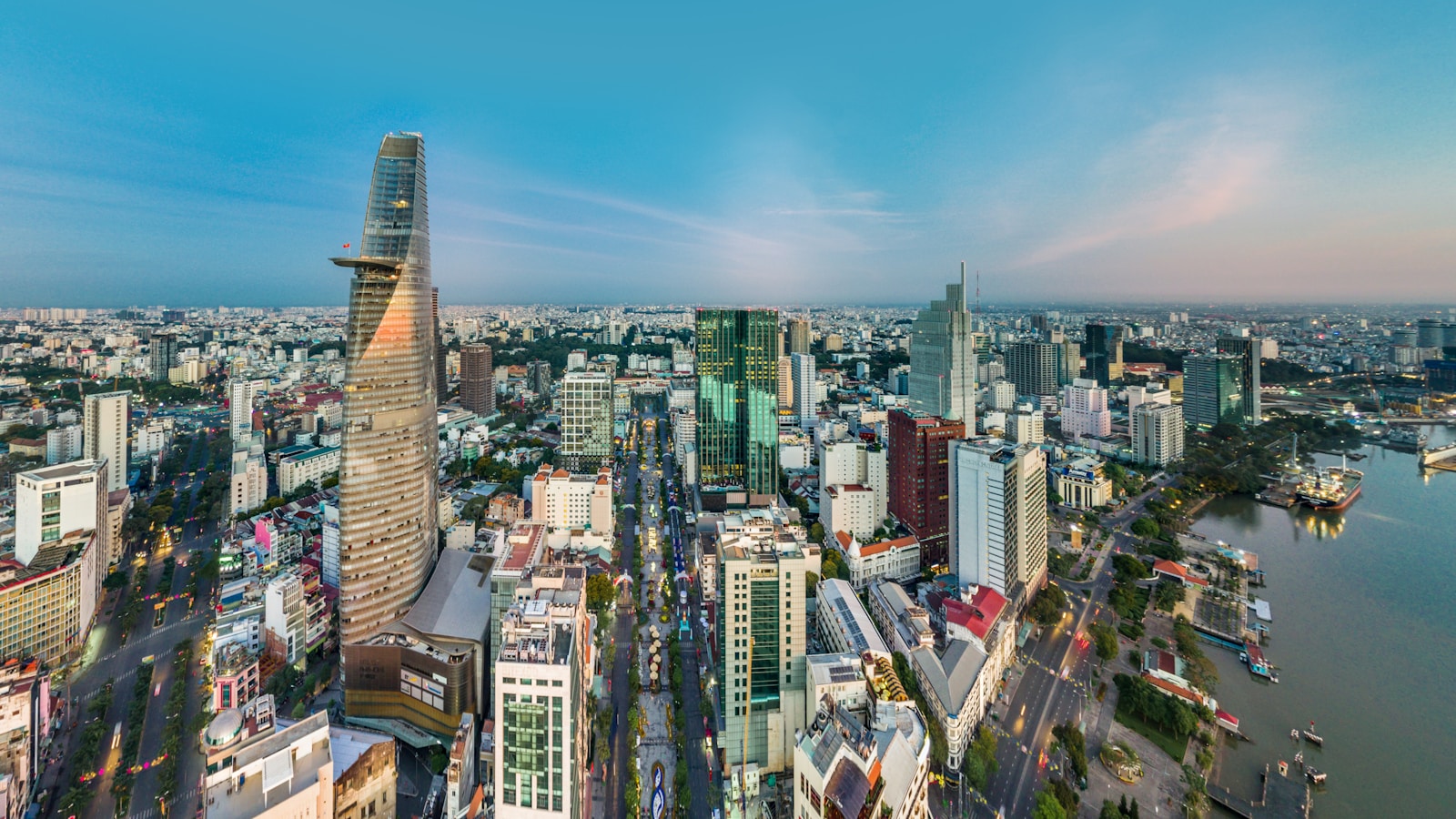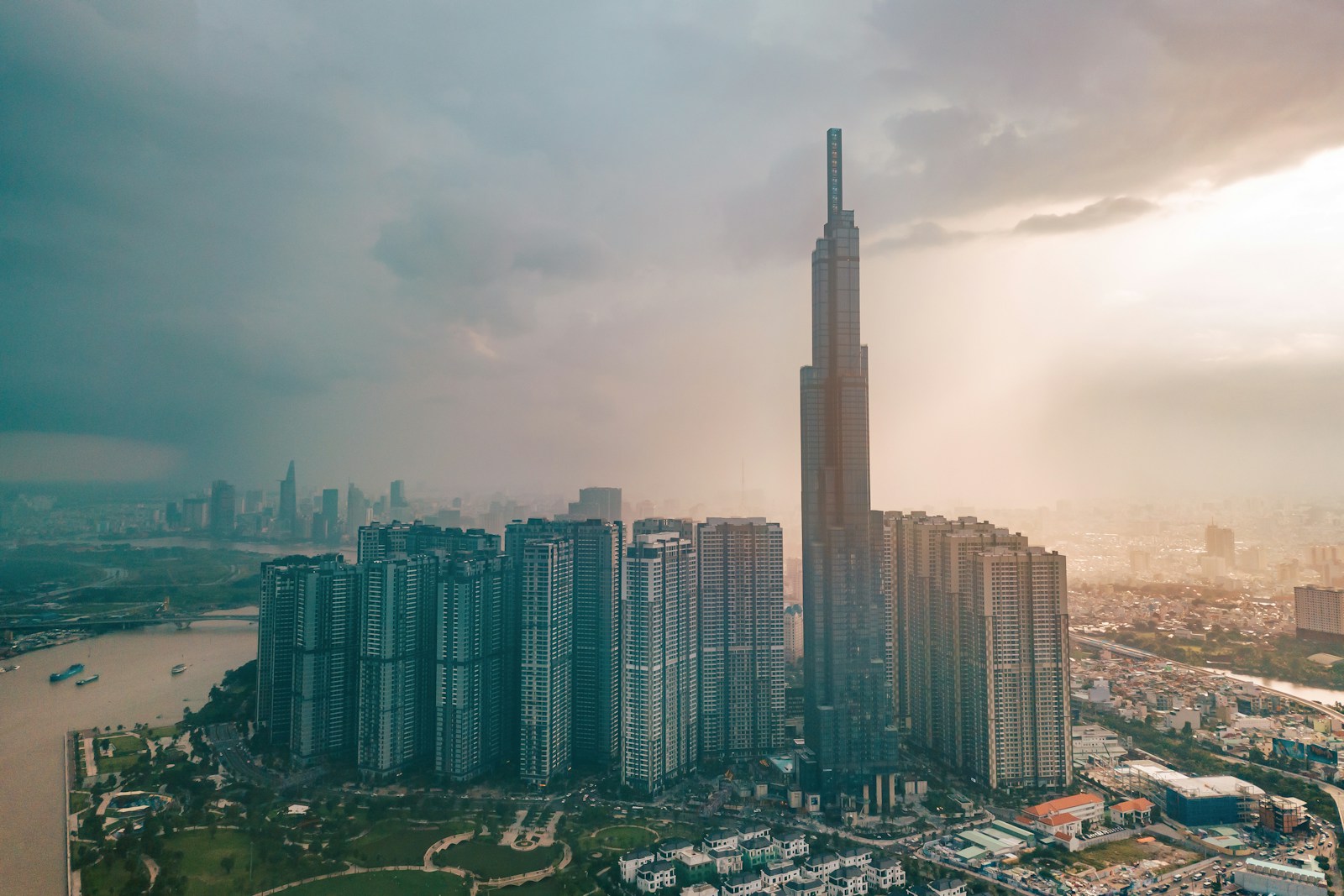
Ho Chi Minh City pulled in 8.37 billion USD of registered foreign direct investment in 2025, a 24.2 percent rise year on year according to city authorities and reporting by VietnamPlus. Singapore alone contributed 2.1 billion of that figure. The number matters beyond balance sheets: when multinational capital commits to a market, brand communication follows at a predictable lag, and the demand for localized commercial video is already visible in the city's production calendar. Brand film production in Ho Chi Minh City is no longer a niche service for expatriate-owned boutiques. It is a function of the investment cycle.
Where the Money Concentrates
Ho Chi Minh City accounts for an estimated 40 percent of Vietnam's total digital advertising expenditure according to industry reporting by Vietnam Briefing. That concentration is not accidental. The city holds the largest cluster of multinational subsidiaries, regional headquarters and joint ventures in the country, and each entry creates an immediate content requirement: a brand that speaks to a Singapore or London headquarters cannot simply transpose the same visual language into a Vietnamese market that runs on different emotional registers and platform behaviors.
Vietnam's advertising market as a whole is forecast to reach 2.93 billion USD in 2025 and to grow at roughly 10.6 percent annually through 2029. Social media advertising alone reached 398 million USD in 2025, up 12 percent year on year, according to the We Are Social and Meltwater Digital 2025 Vietnam report. Those numbers are not moving independently. They track, with some delay, the inflow of brand investment that FDI represents.
A Video-First Consumer Environment
The platform context amplifies the demand. TikTok counted 76.1 million users aged 18 and over in Vietnam in late 2025, a figure drawn from platform advertising data compiled by DataReportal. Vietnam's smartphone penetration stands at 84.4 percent against a 63 percent global average. Users in Southeast Asia exceed the global benchmark of 11 hours and 39 minutes per week watching online video, per We Are Social and Meltwater data.
The result is a market where branded content must be built for mobile consumption from the outset, not adapted from a television master after the fact. The Vietnam digital video content market was valued at 856 million USD in 2024 and is projected to reach 2.07 billion USD by 2033, a compound annual growth rate of 10.35 percent, according to IMARC Group research. Brands entering or expanding in that environment face a straightforward arithmetic: the content cannot come from outside, because the platform formats, the language and the cultural tempo are local.
The Economics of Producing Here
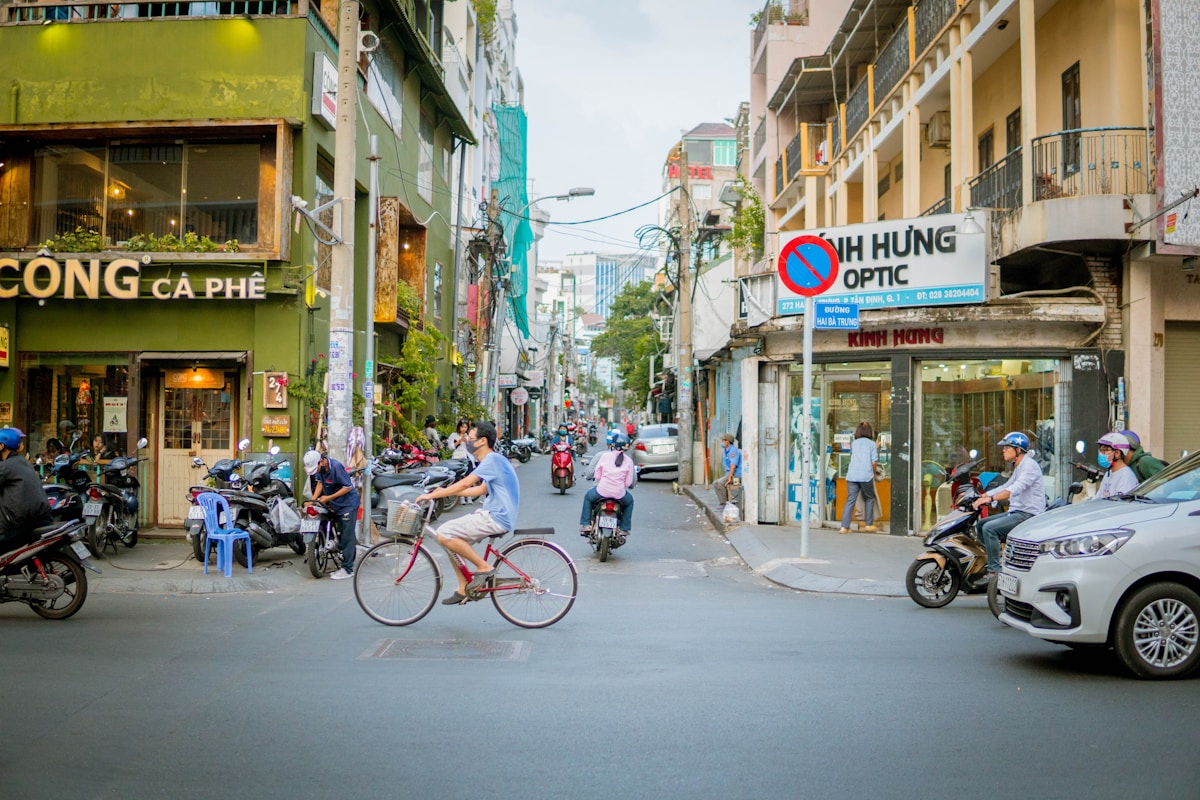
The cost argument reinforces the strategic one. In Singapore, a two-minute corporate video typically costs SGD 6,300 to 12,200, with editor day rates running from SGD 800 to 1,600, according to production cost data published by Shootsta. Production budgets in Ho Chi Minh City sit materially below those figures, with qualified crews, bilingual directors and finishing capabilities available at a fraction of the Singapore or Bangkok rate.
Globally, online video advertising expenditure is growing at 11.5 percent year on year in 2026, roughly twice the pace of the overall advertising market, according to Dentsu's Global Ad Spend Forecast. The pressure to produce more video content at more competitive unit costs makes the arithmetic of regional production increasingly attractive to procurement teams comparing Southeast Asian alternatives. Vietnam's e-commerce market grew 17 percent to reach 25 billion USD in 2025, per the Google, Temasek and Bain e-Conomy SEA 2025 report. The shoppertainment mechanics driving that growth, livestream selling, short-form product video, creator-format commercial content, require continuous production rather than the periodic campaign model that governed traditional advertising.
What the Production Infrastructure Now Looks Like
The supply side has been building quietly. A cluster of independent studios founded largely over the past three to five years now operates in Ho Chi Minh City with the capability to originate, direct, shoot and finish commercial video to international delivery standards. Studios like Hoang Films in Saigon represent a model in which production, editorial and post-production sit under one roof rather than being distributed across freelance chains, shortening the revision cycle for international clients working across time zones.
That structural point matters to multinational buyers. A brand team in London or Amsterdam commissioning a campaign film for the Vietnamese market does not want to coordinate a fragmented vendor list. Consolidating creative services inside a production house in Saigon reduces both cost and communication overhead, and it aligns with the vendor rationalization that procurement departments have been applying to global production spending.
The HCMC production ecosystem still operates below the scale of Bangkok's cluster and at a fraction of Singapore's established network. The gap is narrowing. The city's creative industry is named in Vietnam's national cultural strategy, Decision No. 2486/QD-TTg, signed by the Prime Minister in November 2025, which targets cultural industries at approximately 7 percent of GDP by 2030 and identifies film and advertising among the priority sectors. Policy tailwinds and private capital are pointing in the same direction.
A Structural Consequence
The broader consequence is structural. The brand film market in Ho Chi Minh City is moving from a secondary consideration for regional buyers to a primary procurement decision. As multinationals scale their Vietnam presence, the local production infrastructure they can access determines how fast they can respond to platform shifts and consumer behavior cycles. The studios that are building integrated capability now, from production through finishing, are positioning for a demand curve that the investment data suggests is still in its early phase.