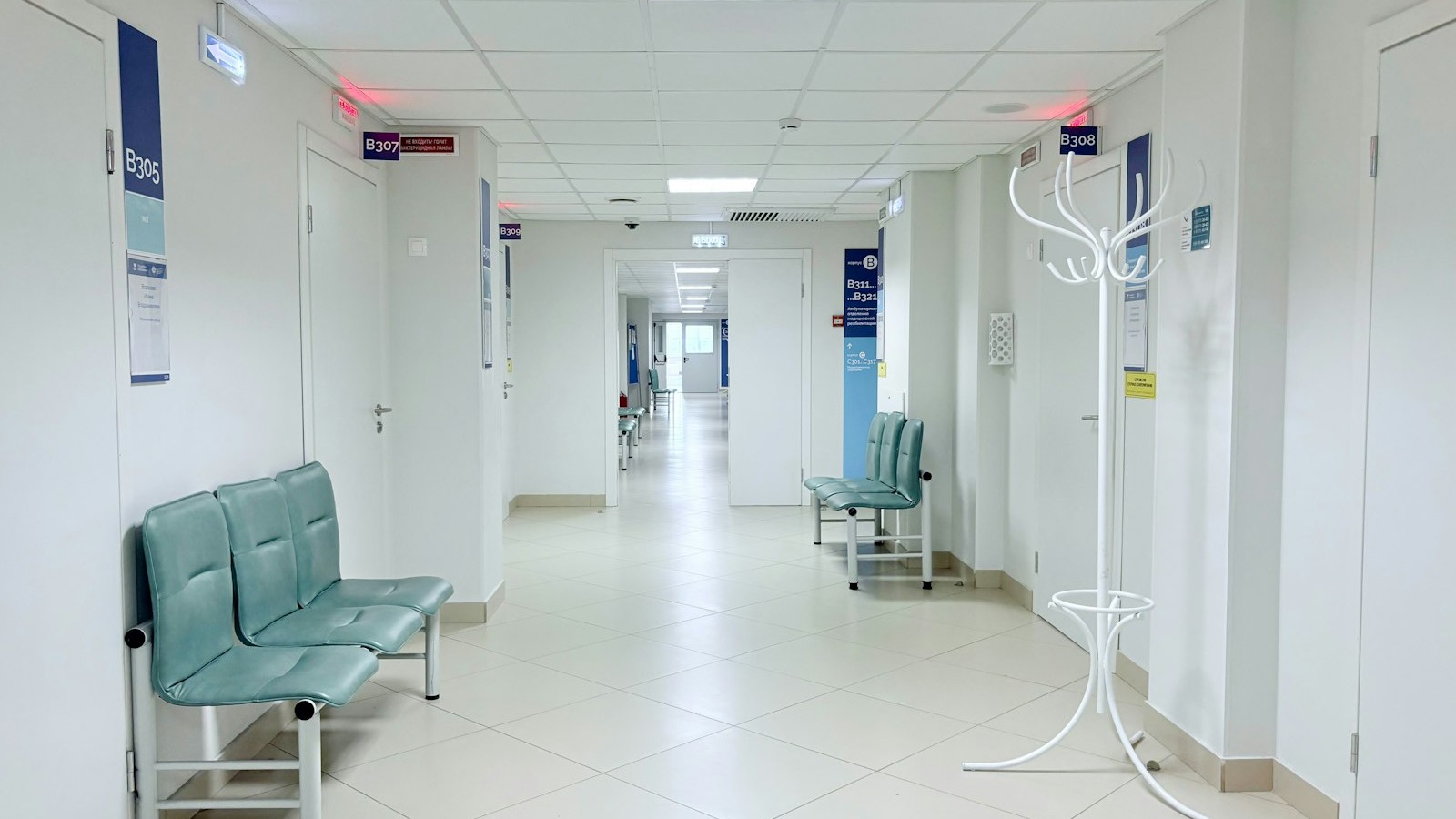
Vietnam’s pharmaceutical market is now valued by most analysts at somewhere between 7.6 and 8.6 billion dollars, and the Drug Administration of Vietnam puts its annual growth in a steady band of 6 to 8 percent. Few consumer categories in the country move that predictably. It is also one of the least filmed at a premium level, which is where healthcare video production in Vietnam begins to matter to brands outside the country.
A sector growing on demography, not fashion
The arithmetic is plain. An ageing population, a rising middle class and a steady move from public to private care are pushing spending up. One regional analysis, cited by The Investor, projects Vietnam’s total health expenditure rising from roughly 23 billion dollars in 2025 to about 34 billion by 2030, a compound rate near 7.6 percent. FiinResearch, a local financial data house, forecasts private healthcare alone growing at around 7.5 percent a year over the same window.
Public hospitals still make up the large majority of facilities, but private operators capture a disproportionate share of revenue growth. That shift has a communications consequence. A private hospital group, a clinic chain or a supplement brand competes for trust in a way a state facility never had to, and trust is increasingly built on screen.
Digital health widens the audience
The Ministry of Health issued guidance in 2023 allowing licensed digital pharmacy platforms to sell non prescription medicines online. Market estimates for Vietnamese digital health diverge sharply by publisher, which is itself a signal of how young the category is. One research house projects a rise from about 2.4 billion dollars in 2025 to 5.7 billion by 2031. Treat the figures as directional rather than exact. The direction is not disputed.
Online health sales create a content problem that shelf products never had. A pill box in a pharmacy is read by a pharmacist. The same box in an app is read by the buyer, with a thirty second video as the only introduction.
Why the money flows toward video
The wider advertising economy points the same way. Dentsu expects global ad spend to pass 1 trillion dollars in 2026, with digital taking close to 69 percent of the total. Online video is growing at about 11.5 percent a year on its forecast, roughly twice the pace of the whole market. Social advertising grows at a similar clip, and programmatic buying now accounts for more than four fifths of digital spend.
Healthcare advertisers sit awkwardly inside those numbers. Pharmaceutical and medical communication is tightly regulated in most markets, and the claims a film can make are narrow. The result is a category that cannot lean on exaggeration and therefore leans on production quality: credible settings, calm performances, a visual register that reads as clinical without reading as cold. Video is one of the few instruments that can carry that load.
In regulated categories, the film does the persuading that the copy is forbidden to do.
What international buyers are actually commissioning
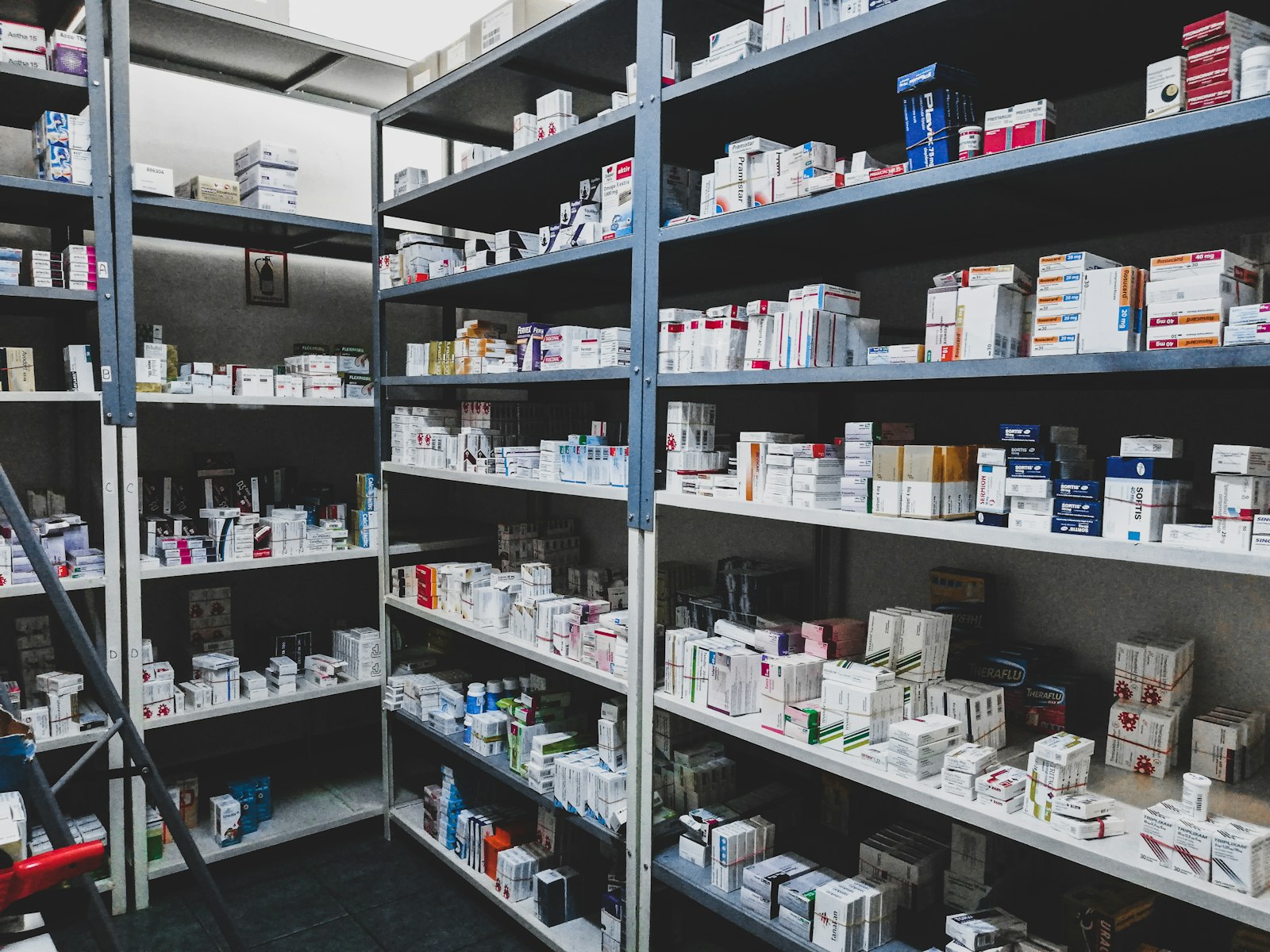
Three briefs recur across the region. Hospital and clinic brand films, which sell reassurance to a prospective patient. Consumer health and supplement commercials, a segment that overlaps heavily with food and beverage production. And corporate films for pharmaceutical companies and medical device makers, aimed at investors, distributors and recruits.
Each of them needs a crew comfortable with sensitive locations, patient privacy and a long approval chain. Ho Chi Minh City concentrates most of the country’s private hospital capacity and a large share of its advertising talent, which is why regional brands increasingly route healthcare work there. Studios such as Hoang Films, which has operated in Saigon for around three years across more than fifty projects, belong to the cohort of independent houses positioned for this kind of work, alongside the larger regional networks. Its portfolio, visible in the film archive, sits in general commercial work rather than a medical specialism, a distinction buyers tend to check when they shortlist a production house in Saigon.
The cost argument, and its limit
Southeast Asia has long won commercial work on cost, and Vietnam sits at the favorable end of that comparison. In healthcare the cost argument is real but secondary. A pharmaceutical marketing team scrutinizes compliance, talent releases and location permissions before it looks at a day rate. The houses that win are those that can show a documented process, not the cheapest quote.
That makes healthcare an unusual test of the market’s maturity. If Vietnam’s production sector can serve a regulated, risk averse category to an international standard, it can serve almost any other. Analysts tracking the shift of regional budgets toward Ho Chi Minh City, from automotive spots to retail media (see the recent commercial work on file), tend to read the healthcare brief as the harder, later signal.
Reading the next two years
Three trends will decide how much of this work lands in Vietnam. The first is whether online pharmacy and telehealth platforms keep scaling, since each one needs a continuous stream of short video. The second is whether private hospital groups, many backed by foreign capital, standardize their brand communication across markets. The third is regulation itself, which can widen or narrow what a film is allowed to say.
None of these is certain. All of them move in the same direction as the underlying demographics, and demographics rarely reverse. For brands weighing where to film the next campaign for a clinic or a consumer health line, the question is shifting from whether Vietnam has the capacity to how quickly the best local houses can build compliance grade routines around it.