Recorded music revenue in Asia grew 10.9 percent in 2025, up from 1.3 percent the year before, according to the IFPI Global Music Report 2026. The global total reached 31.7 billion USD, an eleventh consecutive year of growth. Asia was one of four regions to post double digit gains, and the acceleration has started to pull attention toward markets that sat at the edge of the industry map until recently. Vietnam is one of them, and music video production in Vietnam is where that attention turns into commissioned work.
A small ledger, a steep curve
Measured in dollars, Vietnam’s digital music market is modest. A 2025 report carried by Vietnam News puts it at roughly 52 million USD, rising above 74 million USD by 2030. WARC’s regional projections point the same way, with annual growth of 8 to 10 percent. Local trade coverage adds that streaming already accounts for more than half of digital music revenue.
The numbers are small beside Japan or South Korea. What matters for producers is the slope and the audience behind it: a young, mobile, heavily online population that discovers music through video before it discovers it through audio. Researchers quoted in the Vietnam News report describe a market in transformation, one that now needs professionalisation and a recognisable domestic identity to compete across the region.
The pattern is familiar from other creative exports. A market first appears in the data as an audience, then as a source of talent, and only later as a place where finished work is made for buyers elsewhere. Vietnamese music is somewhere between the first and second stages, and the production base around it is already positioned for the third.
Video is the first listening format
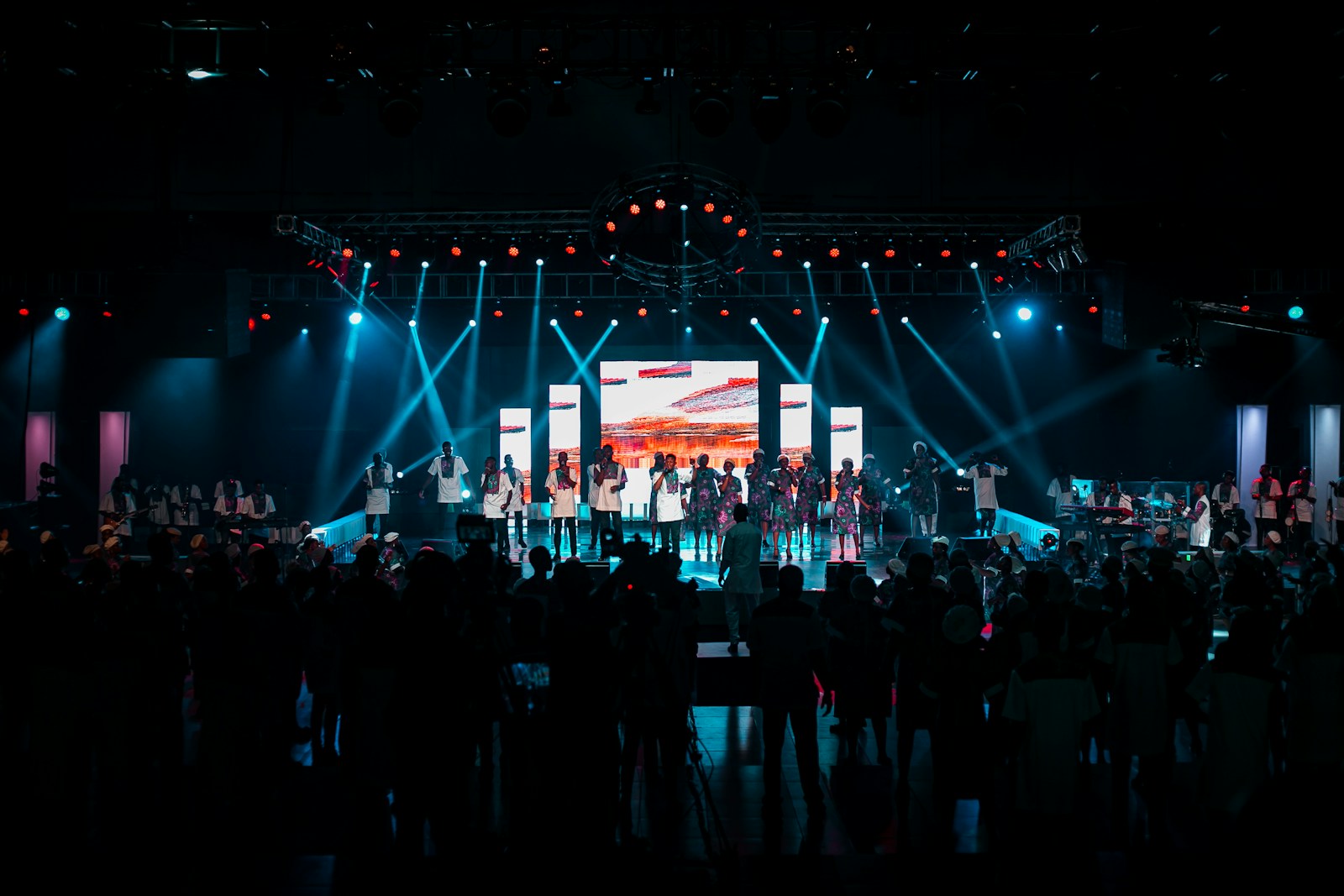
In Southeast Asia, a track rarely lives only as a track. It arrives as a clip, a short vertical edit, a live session, a lyric video, often all four within a fortnight. Dentsu’s 2026 forecast has online video advertising growing 11.5 percent, roughly twice the pace of the total ad market, and social media advertising up 11.4 percent. Music sits inside both curves: labels use video to launch, and brands borrow artists to reach the same audiences.
This changes who pays for a music video. The commissioning party is no longer only a label or an independent artist. Beverage companies, telecoms, banks and fashion houses now fund artist led films, and treat them as branded content with a longer shelf life than a thirty second spot.
Why the work is moving toward Saigon
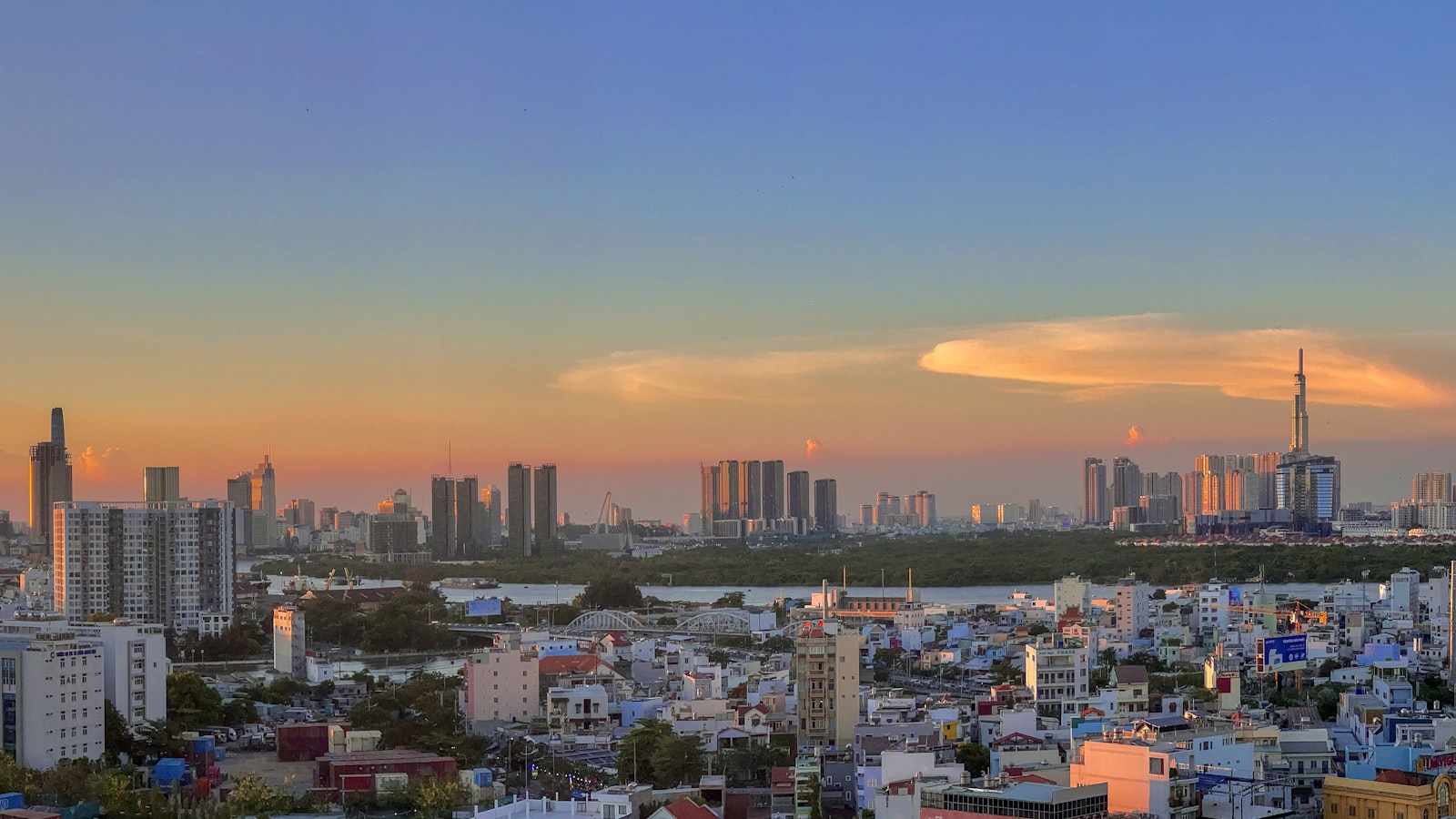
Ho Chi Minh City concentrates the commercial side of Vietnamese entertainment: the labels, the talent agencies, the advertisers and the larger share of the country’s production capacity. A production house in Saigon can assemble a crew, locations and a finishing pipeline inside one metropolitan area, which keeps schedules short and budgets legible.
The regional comparison also helps. Production cost studies across Southeast Asia generally rank Vietnam below Singapore and Thailand on daily crew and location costs, while the technical level of the leading local teams has narrowed the gap. For an international label or agency commissioning a regional artist, that combination is the practical argument, more than any single creative one. Studios such as Hoang Films operate in this segment, and the broader production house in Saigon category has grown around exactly this mix of commercial and artist led commissions.
The structural limits
The optimism has edges. Vietnam’s music market is still dominated by domestic streaming platforms and by YouTube, which means revenue per listener is lower than in mature markets. A video budget that makes sense in London can be out of proportion to what a local release recoups. Producers who survive in this segment tend to be the ones that treat the music video as one asset inside a wider campaign, funded partly by sponsors, rather than as a standalone cost centre.
Rights add another layer. Licensing across territories, performer agreements and music clearance for brand partnered releases are handled unevenly, and international buyers increasingly ask for documentation before a shoot, not after it. The same professionalisation that analysts ask of the music industry applies to the production side.
What the next two years suggest
Three signals are worth tracking. First, whether Vietnam’s streaming revenue continues to compound at the high single digit rate WARC projects, which would validate larger video budgets. Second, whether regional labels begin to shoot Vietnamese artists on location in Saigon rather than flying them to Seoul or Bangkok. Third, whether advertisers keep treating artist led film as a channel of its own. The work now visible from Saigon suggests the second and third are already under way, even if the first is still being measured.
The music video, long treated as a promotional afterthought, is becoming a measurable line of the regional production economy. Vietnam is small in the global ledger, but it is one of the few places where that line is growing faster than the market that funds it.