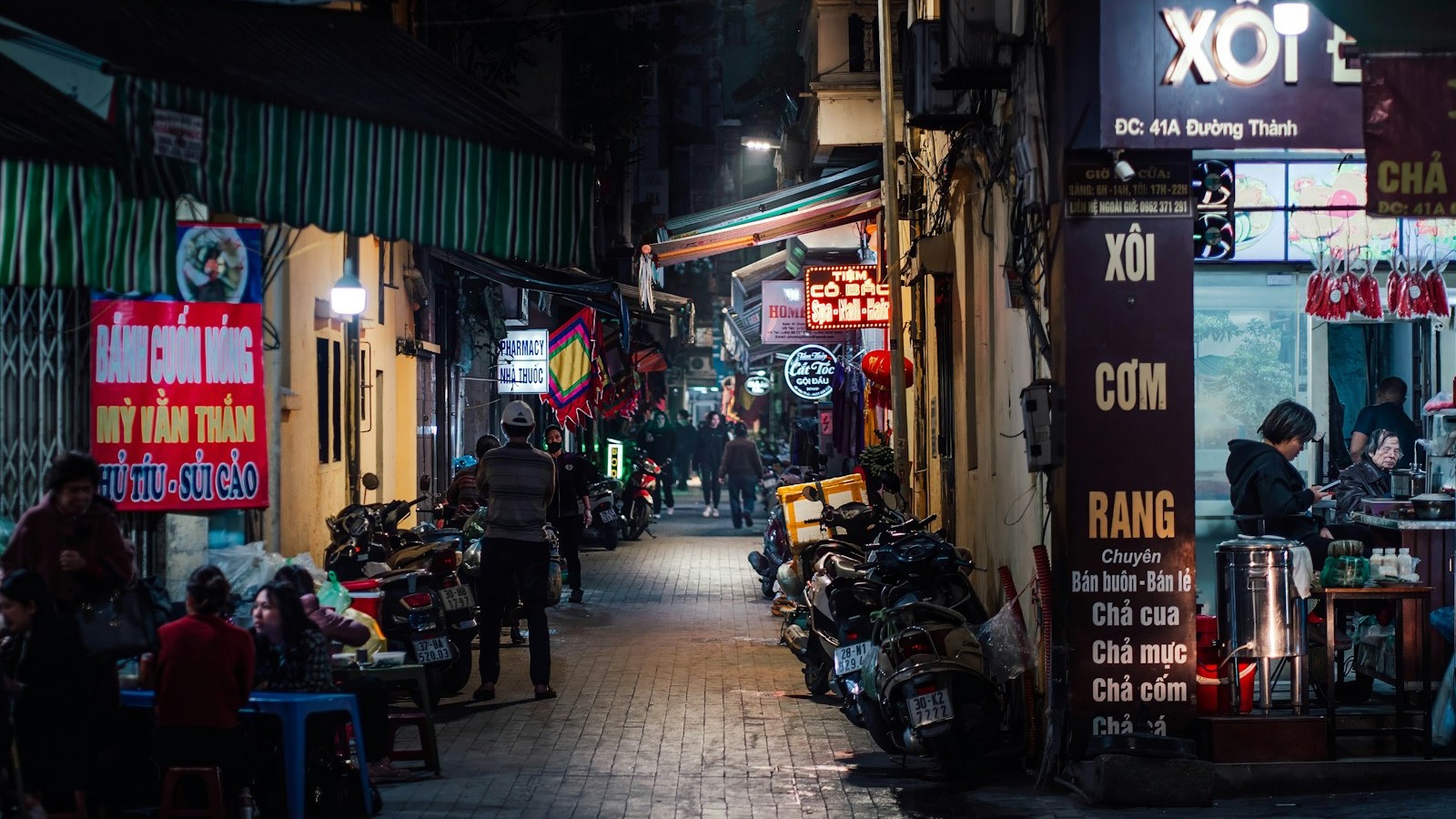
Post production's geography is reorganizing at a pace most procurement teams have not fully priced in. More than half of film and television production houses were already outsourcing a portion of their finishing work before 2024, according to industry reporting on the media and entertainment outsourcing market. The drivers behind that shift, budget compression, cloud infrastructure that removes geography as a technical constraint, and a talent pool priced well below Western studio rates, have only widened their influence since.
Against that background, a specific timezone band has gained traction among agencies commissioning work from London, New York and Sydney: Southeast Asia, and within it, Ho Chi Minh City. What was, five years ago, a conversation largely confined to Mumbai post houses and Eastern European facilities has expanded. Remote color grading Vietnam has moved from an experimental procurement line to a recurring one.
The Arithmetic of the Overnight Turnaround
The timezone advantage operates in one direction and with some precision. When a post supervisor in London closes a session at 6pm GMT, a finishing studio operating on Vietnam Standard Time, seven hours ahead, is opening its workday the following morning. Files transferred at the London end of day, annotated briefs, marked-up selects, revision notes, arrive in a Saigon inbox before the first meeting. A full working session runs. Deliverables return before the London team reaches its morning stand-up.
For buyers based in New York, operating on Eastern Standard Time, the gap widens to eleven hours, and the cycle tightens further. A 6pm EST handoff reaches Ho Chi Minh City at 7am local time, with finished output back before the US market opens the following morning. The exchange requires no real-time creative direction. It requires clarity of brief and reliability of turnaround. Both are infrastructure problems, and both, in a city that recorded $8.37 billion in registered foreign direct investment in 2025, a 24.2 percent increase year on year according to official figures reported by VietnamPlus, are increasingly solved.
Remote Color Grading Vietnam and the Scale of the Market It Serves
The volume of material demanding finishing services has decoupled from any fixed geography. Global streaming content spend reached approximately $95 billion in 2025, up 6 percent year on year according to Ampere Analysis, with streaming platforms spending more on content than commercial television broadcasters for the first time. That content requires finishing. It does not, increasingly, require that finishing to happen in the same city as the production.
Over 55 percent of post-production companies globally had adopted cloud-based editing and remote collaboration tools as of 2025, according to market research published by BusinessResearchInsights. The broader post-production market is estimated at between $26 billion and $38 billion in 2025 by the major forecasting models, with analysts projecting a central growth rate of 8 to 12 percent annually through the end of the decade. The divergence in estimates reflects differing scope definitions, not disagreement on direction.
What is not disputed is the structural displacement happening at the source end. FilmLA reported that total Los Angeles shoot days fell 16.1 percent in 2025 versus 2024, the sharpest decline on record outside the COVID disruption period, with on-location filming down 22 percent in the first quarter alone. Production incentive programs, labor cost differentials and the normalization of remote workflows are each cited as contributing factors.

Southeast Asia as a Finishing Destination
Southeast Asia absorbed a measurable share of the work that has moved. The region's digital economy surpassed $300 billion in gross merchandise value in 2025, growing at approximately 15 percent year on year according to the Google, Temasek and Bain e-Conomy SEA 2025 report. Online media advertising within the region grew 16 percent over the same period, driven by retail media networks and the expanding reach of platform-led creative commissioning.
Vietnam's share of that regional momentum is specific and documented. The country's digital economy reached $39 billion in 2025, up from $34 billion the year prior, with online media growing 16 percent to $6 billion according to the same report. The infrastructure that makes a post-production service commercially viable for international buyers, stable high-speed internet, cloud storage within international procurement cost bands, an English-communicating project management layer, has been a practical reality in Ho Chi Minh City for several years rather than an aspiration.
The comparison with Singapore is instructive. In the city-state, which retains its position as Southeast Asia's primary regional headquarters market, a two-minute corporate video carries crew day rates of SGD 1,200 to 3,500 according to production-cost reporting by Shootsta. Ho Chi Minh City operates at a measurable discount to that benchmark. The USD rate differential versus Western European or North American studios is estimated, on vendor-sourced figures, at 50 to 70 percent, a range broad enough to be directional rather than contractual.
What the Shift Looks Like From the Buying Side
The conversation agencies are having in 2026 is no longer about whether remote finishing is possible. It is about workflow integration, turnaround accountability and creative continuity across timezones. Studios in Ho Chi Minh City that operate as single creative units, handling production and finishing under a consistent directorial vision, address a specific procurement concern: the quality gap that typically emerges when post-production is separated from the creative intention of the shoot.
Outfits like Hoang Films, a Saigon-based studio that has handled production and finishing for international brands across more than fifty projects over three years, represent the category as it actually functions rather than as it is pitched. The video editing and post-production service operates within a model where the buyer's brief, budget and timezone are the operative variables, not the location of the finishing suite.
Vietnam's government named film and advertising as state-priority sectors under Decision No. 2486/QD-TTg, issued in November 2025, targeting cultural industries at approximately 7 percent of GDP by 2030. That policy signal does not by itself create capability. It confirms that the infrastructure and regulatory environment supporting a finishing services export market is on a deliberate growth trajectory.
The agencies moving work to the Asia timezone are, for the most part, doing so quietly and in volume. The arithmetic is simple enough that the conversation rarely needs to be more complicated than the rate sheet and the first delivered file.