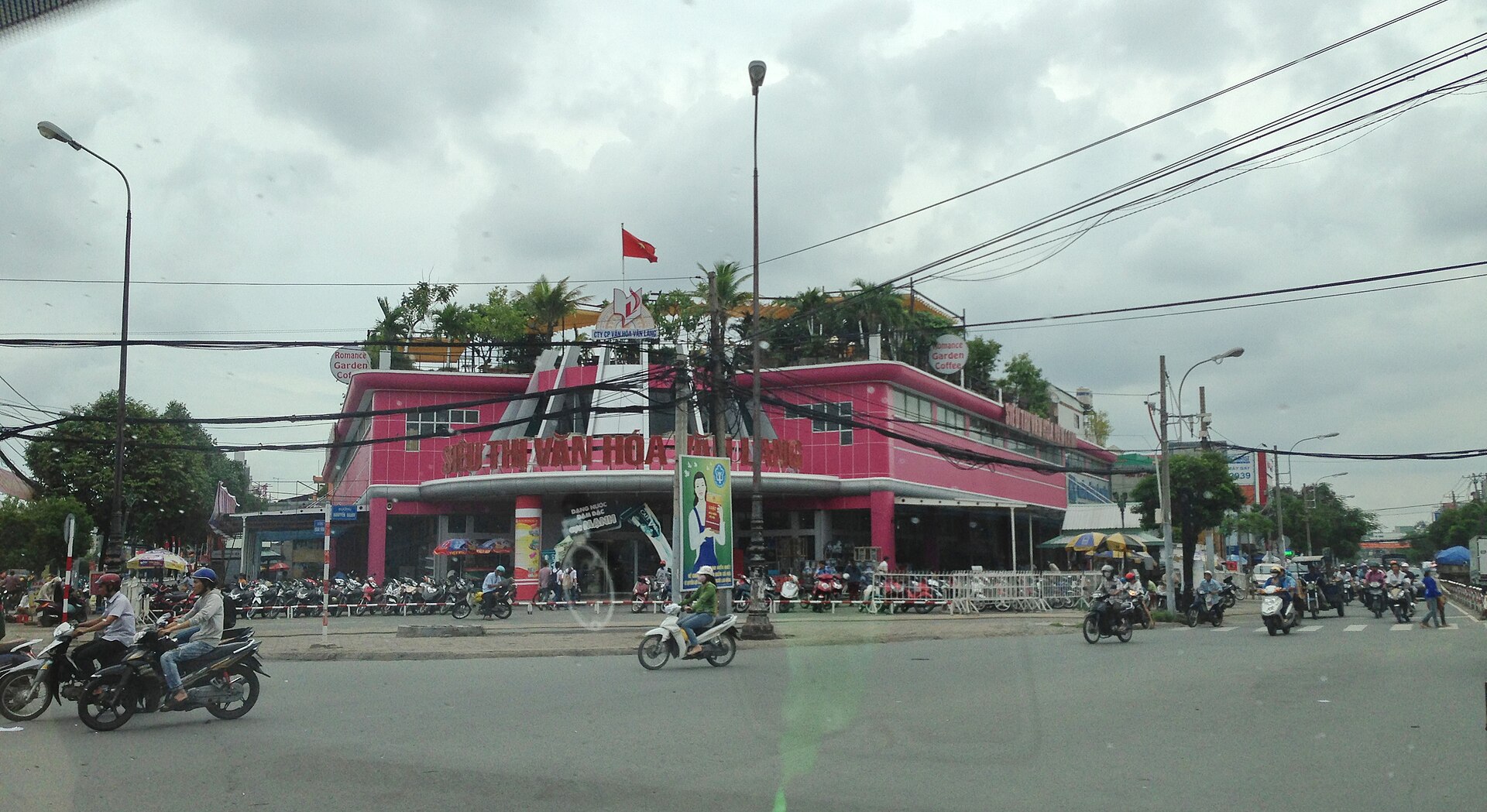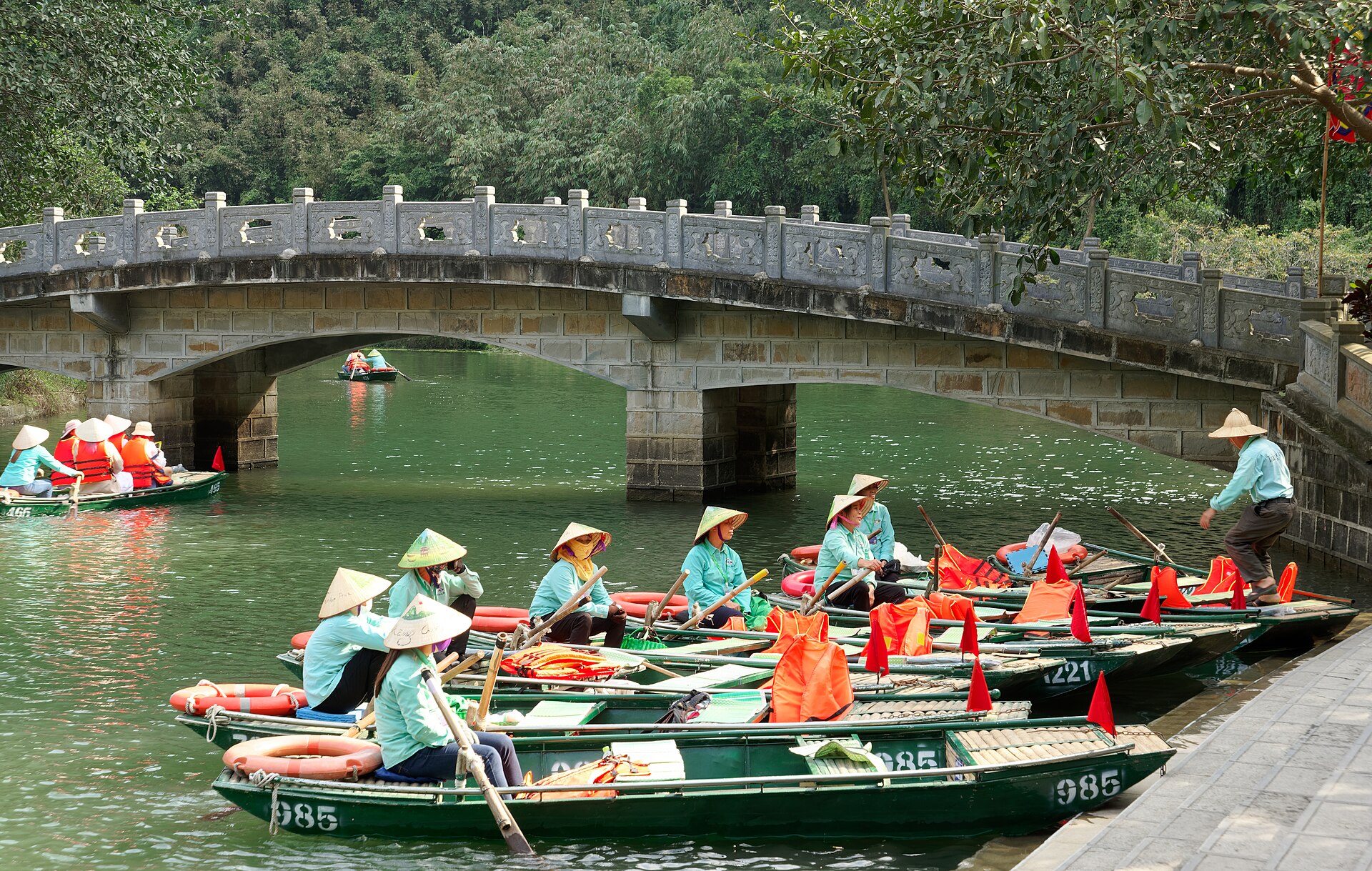
Vietnam received almost 21.2 million international visitors in 2025, up 20.4 percent on the year and 17.8 percent above the 2019 peak, according to the national tourism authority. The 2026 target has been set at 25 million. Through the first half of the year arrivals ran at roughly 12.3 million, a gain of 14.9 percent, which keeps the goal within reach but leaves little slack. Behind every such number sits a less visible one: the volume of moving image a destination needs to produce to keep it climbing. Tourism video production in Vietnam has become a measurable line in the country’s commercial economy.
A sector built to be filmed
Tourism contributed nearly 8.8 percent of Vietnamese GDP in 2025 and supported about 4.4 million jobs, with revenue above one quadrillion dong, close to 40 billion US dollars at prevailing rates. Resolution 26 of the Party Central Committee sets a direct contribution of 10 to 12 percent of GDP by 2030, with 45 to 50 million foreign arrivals. A sector with those ambitions is also a sector with a heavy content appetite: airlines, resort groups, regional tourism boards, online travel platforms and consumer brands that borrow the country’s landscapes all need footage that travels across markets and platforms.
The state has begun to treat imagery as infrastructure. In 2025 the Ministry of Culture, Sports and Tourism ran a national video contest to assemble a visual library for promotion, and the tourism authority has since folded domestic and overseas activity into a single promotion programme. Local trade press has been blunt about the competitive backdrop: Thailand, Malaysia and Indonesia spend heavily on destination marketing, and Vietnam’s own commentators argue that promotion needs a step change to match the arrival targets.
Why the money flows toward video
Video is where advertising budgets are heading regardless of sector. Dentsu’s forecast has global ad spend passing one trillion US dollars in 2026, with online video growing about 11.5 percent, roughly twice the pace of the total market. Social video now draws more advertising money than conventional online video in the United States, according to eMarketer, and the same platform logic applies to travel: a destination is chosen on a phone screen long before a flight is booked.
Vietnam itself is a large audience for that content. DataReportal counted 79.8 million internet users in early 2025, a penetration rate of nearly 79 percent, and smartphone penetration of 84 percent against a global average near 63 percent. Domestic travellers, 150 million trips are targeted for 2026, are as much the audience of destination video as the foreigners who headline the arrival statistics. A single campaign is increasingly expected to serve both, in more than one language.
Who actually commissions the work
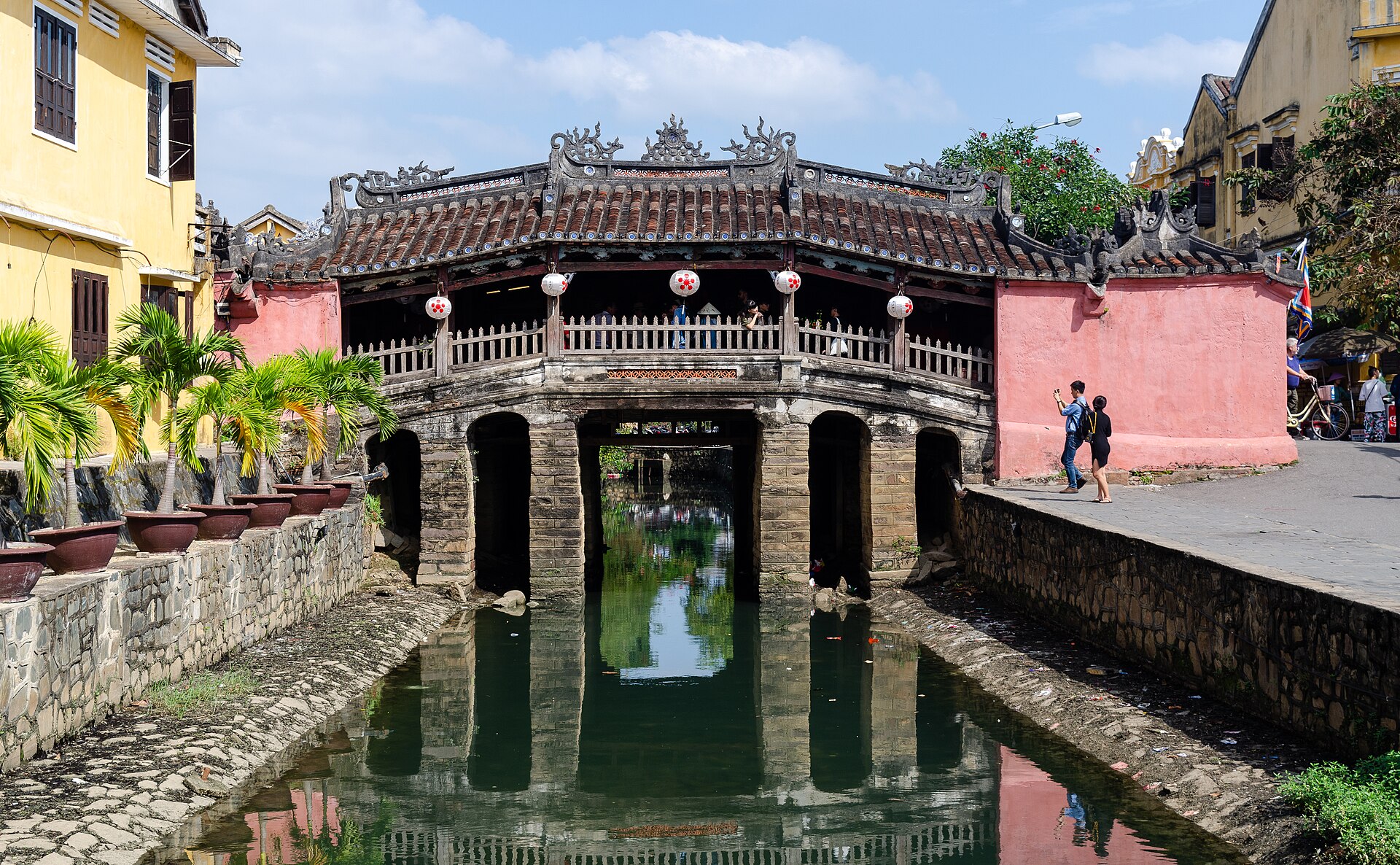
The buyer map is wider than the word tourism suggests. Provincial authorities and national promotion bodies commission destination films. Hotel and resort operators need brand films and seasonal campaigns. Carriers such as Vietnam Airlines have tied promotional pushes to nearly 140 tourism events scheduled for 2026. Food, beverage and lifestyle brands set their stories in Hoi An, Da Nang or the Mekong Delta because the setting does half the persuading. Agencies in Singapore, Sydney and London, meanwhile, increasingly look for a Vietnamese partner able to deliver a finished film for a regional client.
That last group is the one the international production services market watches. Competing hubs, Bangkok and Bali among them, have long offered incentive schemes and mature supplier networks. Vietnam’s case rests on a different mix: varied locations within short flights of each other, a growing base of local crews, and cost levels that international buyers have been comparing against neighbours in recent budgeting cycles. A production house in Saigon is one of several entry points into that pool, and a studio such as Hoang Films, operating in Ho Chi Minh City for about three years with more than fifty projects, is typical of the independent shops that sit between brand and location.
The constraints that shape the category
Destination work carries structural limits that general commercial production does not. Weather and season dictate shooting windows, which compresses schedules for northern highlands, central coast and delta alike. Permits for protected sites and heritage towns follow their own approval paths. Sustainability and overcrowding have entered the conversation too, so film makers are asked to show places that visitors can reasonably still find. Tourism boards are also demanding more versions of each film: long form for web and cinema, vertical cuts for social, regional language editions.
Those pressures favour production partners that can plan the whole chain, from scouting and permits to finishing, rather than assemble it at the last moment. The same logic runs through the wider work of the Saigon scene, where agencies increasingly consolidate shooting and post production under fewer suppliers to protect timelines.
A destination that doubles its audience in five years does not need more pictures. It needs more films that were planned as a system.
What to watch through 2026
Three indicators will tell the market where tourism video is going. The first is whether arrivals reach the 25 million mark, since a miss tends to push promotion budgets harder; a hit invites private operators to spend more of their own. The second is how the unified national promotion programme allocates money between overseas and domestic audiences. The third is whether international agencies keep routing regional shoots through Vietnam as comparison shopping between Southeast Asian hubs intensifies.
For now the data point in one direction. Arrivals are above pre pandemic levels, state targets are set for another large step, and the audience for destination imagery inside Vietnam is among the most connected in the region. The film work that serves that audience is no longer a niche of travel marketing. It has become a regular item in the production economy of Ho Chi Minh City and the country beyond.