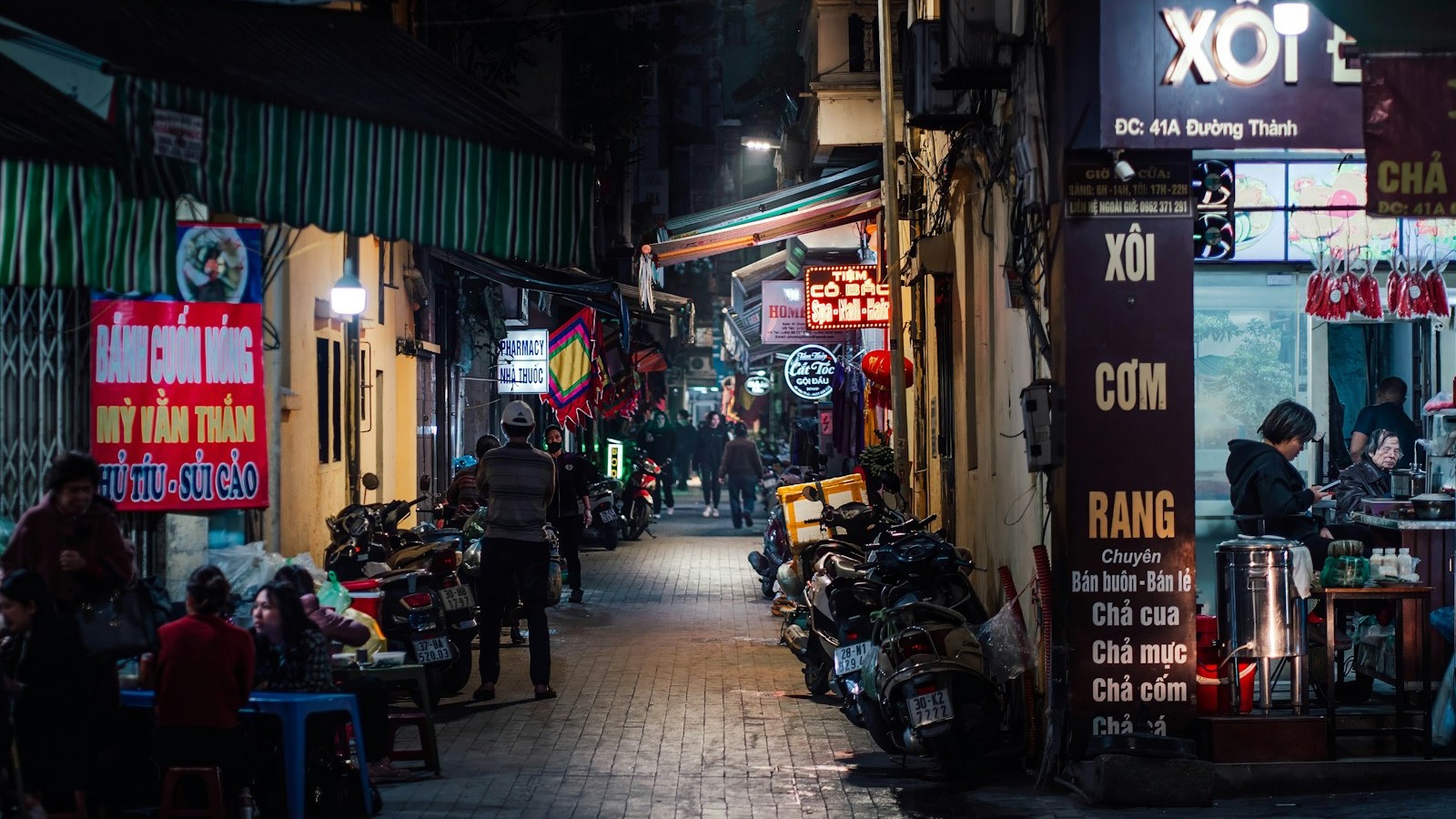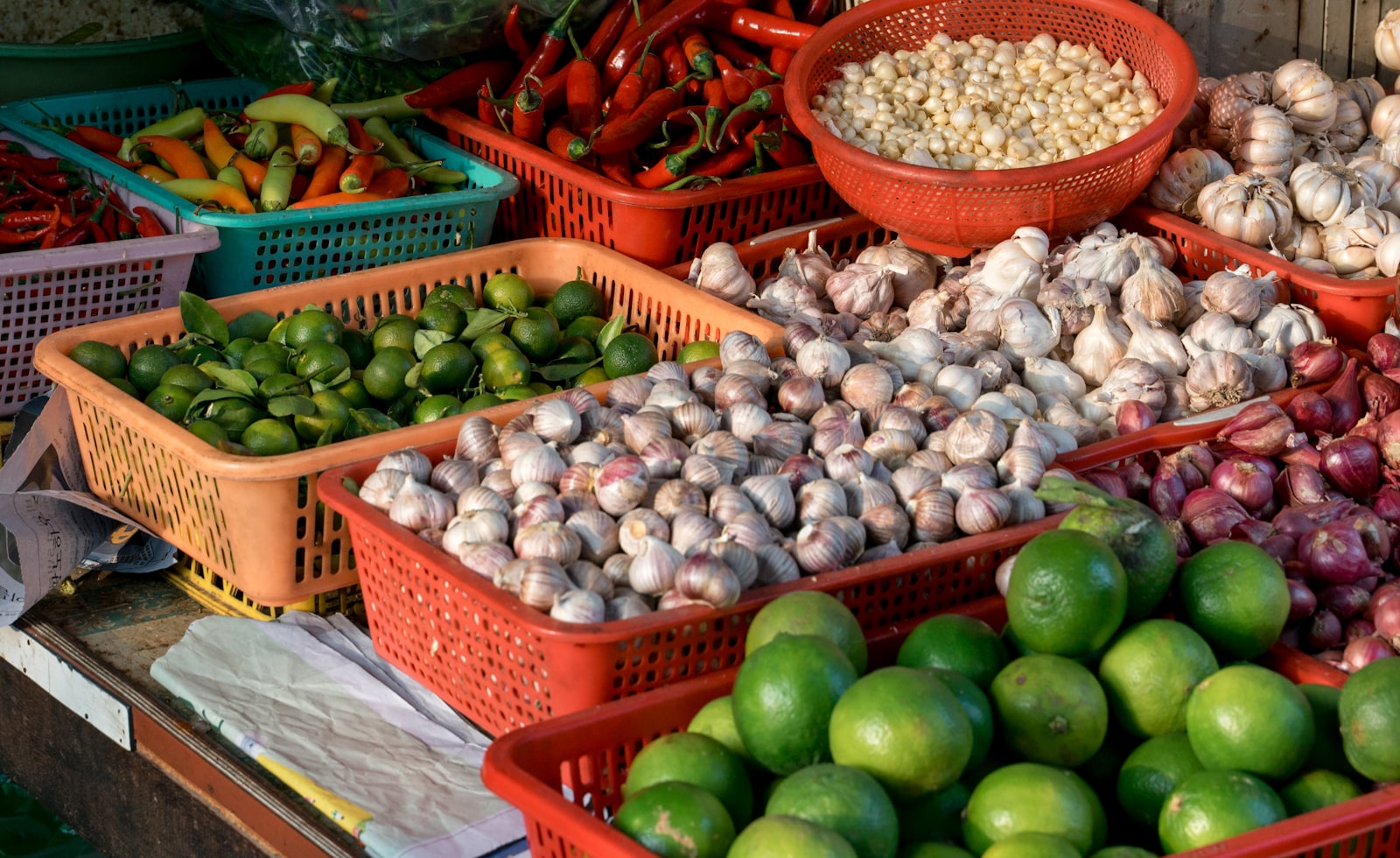
Vietnam's food service market is projected to reach 27.38 billion US dollars in 2026, according to Mordor Intelligence, and to compound at more than ten percent a year through 2031 as it climbs toward 45 billion. A separate estimate from Research and Markets puts the wider food and beverage sector at 27.5 billion in 2024, rising past 45 billion by 2032. Either curve points the same direction: a market expanding faster than most of the region, and one that advertisers are now chasing with production budgets rather than watching from a distance.
That expansion is arriving at the same moment the country's digital advertising infrastructure has matured enough to carry it. Vietnam's digital economy reached 39 billion US dollars in gross merchandise value in 2025, up from 34 billion the year before, according to the Google, Temasek and Bain e-Conomy SEA report. E-commerce alone grew 17 percent to 25 billion, and online media spend climbed 16 percent to 6 billion. For a category built on impulse, habit and repeat purchase, food and beverage brands sit close to the center of that spend.

A market platforms are already fighting over
Shopee and TikTok Shop jointly controlled roughly 97 percent of e-commerce gross merchandise value in Vietnam in the first quarter of 2025, according to Metric data reported in local industry press, with TikTok Shop's own share climbing to somewhere between 39 and 41 percent, up from around 29 to 30 percent a year earlier. Southeast Asia overall carries close to a quarter of TikTok's global ad audience, per We Are Social and Meltwater's Digital 2025 reporting, and the region's users spend more time watching online video than the global average of eleven hours thirty nine minutes a week. Food content, from street stalls to packaged snacks, is one of the platform's most reliably shared formats in the country, which turns short commercial cuts into distribution assets rather than one off spend.
For a food or beverage brand entering that environment, the production brief has changed shape. A single hero film for television is no longer the deliverable; the deliverable is a hero film plus a run of vertical cuts built for feed and for shelf, each timed to a different moment in a shopper's day. Studios that can shoot, edit and localize inside one production, rather than routing footage through three separate vendors across three time zones, are the ones absorbing that expanded scope. Regional reporting on outsourced production, treated here as indicative rather than precise, points to cost savings in the range of 50 to 70 percent when Southeast Asian studios replace an in-house team in the US, Canada or Western Europe, a gap wide enough to change where a global brand books its next shoot.
Where Ho Chi Minh City fits the regional picture
Ho Chi Minh City recorded 8.37 billion US dollars in registered foreign direct investment in 2025, up 24.2 percent year on year, with Singapore the single largest source at 2.1 billion, according to figures carried by Xinhua and VietnamPlus. City authorities are targeting roughly 11 billion for 2026, prioritizing high-tech, logistics and financial-commercial sectors, a mix that keeps bringing multinational food, beverage and retail brands into the city alongside the capital they need to launch. National policy is reinforcing the same direction: a 2025 government decision sets a target for cultural industries, film and advertising named specifically, to reach roughly seven percent of GDP by 2030, rising toward nine percent by 2045.
"The brief used to be one film for one market. Now it is one shoot feeding five formats and three languages before the campaign even launches," is the kind of line increasingly heard from regional producers fielding requests out of Saigon, reflecting a shift industry observers describe as consolidation of production scope rather than simple growth in volume.
Studios positioned inside Ho Chi Minh City, among them Hoang Films, sit at the intersection of that demand: close enough to the region's manufacturing and distribution base to shoot product quickly, and set up to finish a campaign across formats without shipping footage abroad. That combination, cost, speed and format range, is precisely what a food or beverage brand weighing Vietnam against Bangkok, Manila or Kuala Lumpur is now pricing against. A studio's completed filmography is becoming the reference point international buyers check before they commit a budget, in a category where consumer trust is built one repeated advertising impression at a time.
What the brief actually rewards
The sectors gaining the fastest production share are not the ones with the largest overall ad budgets, but the ones where format flexibility pays off immediately: packaged snacks, ready to drink beverages, dairy and functional foods, each selling through both traditional retail and a live commerce feed that updates by the week. Vietnam's food service growth curve, compounding faster than the overall regional ad market according to Mordor Intelligence, suggests that pressure will keep building rather than plateau. For production houses in the city, the practical consequence is less about winning a single television spot and more about being built, structurally, for a brief that now arrives in five formats at once.
That structural readiness, more than any single campaign win, is what is quietly repositioning Ho Chi Minh City as a production base for a category that was, until recently, still commissioning almost everything out of Bangkok or Singapore.