Vietnam recorded roughly 4.9 billion game downloads in 2025, second only to China at around 5.3 billion, according to the GameGeek Vietnam Game Industry Report. The detail that matters for advertisers is where those downloads land: the domestic market accounts for only about 5.5 percent of the total. Most of the output is built in Vietnam and sold elsewhere. That imbalance is shaping demand for game trailer production in Vietnam, a niche that sits between advertising, entertainment and export marketing.
A market built to be sold abroad
Gamota’s Vietnam Mobile Gaming Year in Review put 2025 mobile game revenue at about 825 million USD, up 9.2 percent, with some 54 million players. Those numbers describe a mid sized domestic market. The ambition of the sector is larger. Vietnamese publishers and studios increasingly compete for players in the United States, Japan, Korea and Europe, where a title lives or dies on its first thirty seconds of video.
The economics explain the pressure. Industry trackers reported that only 7 to 10 percent of Vietnamese players spend money on mobile games, and 2 to 3 percent qualify as high spenders. A small paying minority means each acquisition campaign has to work harder, and the film that opens it carries disproportionate weight.
Video is where the budget goes
The wider advertising market points the same way. Dentsu’s global forecast has online video ad spend growing about 11.5 percent in 2026, roughly twice the pace of the total market. In Southeast Asia, the Google, Temasek and Bain report on the regional digital economy measured online media advertising growth of around 16 percent in 2025, helped by retail media and AI assisted formats.
Closer to home, We Are Social and Meltwater’s Digital 2025 Vietnam report put social media advertising at about 398 million USD, up 12 percent and 27.8 percent of all digital ad spend, with smartphone penetration at 84.4 percent against a global average near 63 percent. A population that lives on its phone is a population that discovers games through video, which is why the format of the opening film matters as much as the title it sells. Publishers that once bought volume are now asking who can supply a smaller number of better films.
Gaming sits at the centre of that growth. Short vertical clips remain the workhorse of user acquisition, but publishers have begun to separate two jobs. Performance creative is cheap, fast and disposable. Brand level trailers, launch films and character reveals are treated as assets with a longer shelf life, bought less often and judged against cinema and streaming standards. It is the second category that now looks for production partners outside the game studio itself.

Why live action is entering a digital category
For years, game marketing was almost entirely rendered footage. That is changing. Observers of the sector note a growing use of live action spots and hybrid trailers, in which real actors, real locations and a recognisable human story frame the game. The logic is plain: when thousands of titles share the same visual vocabulary of cinematic computer graphics, a filmed performance is a way to look different.
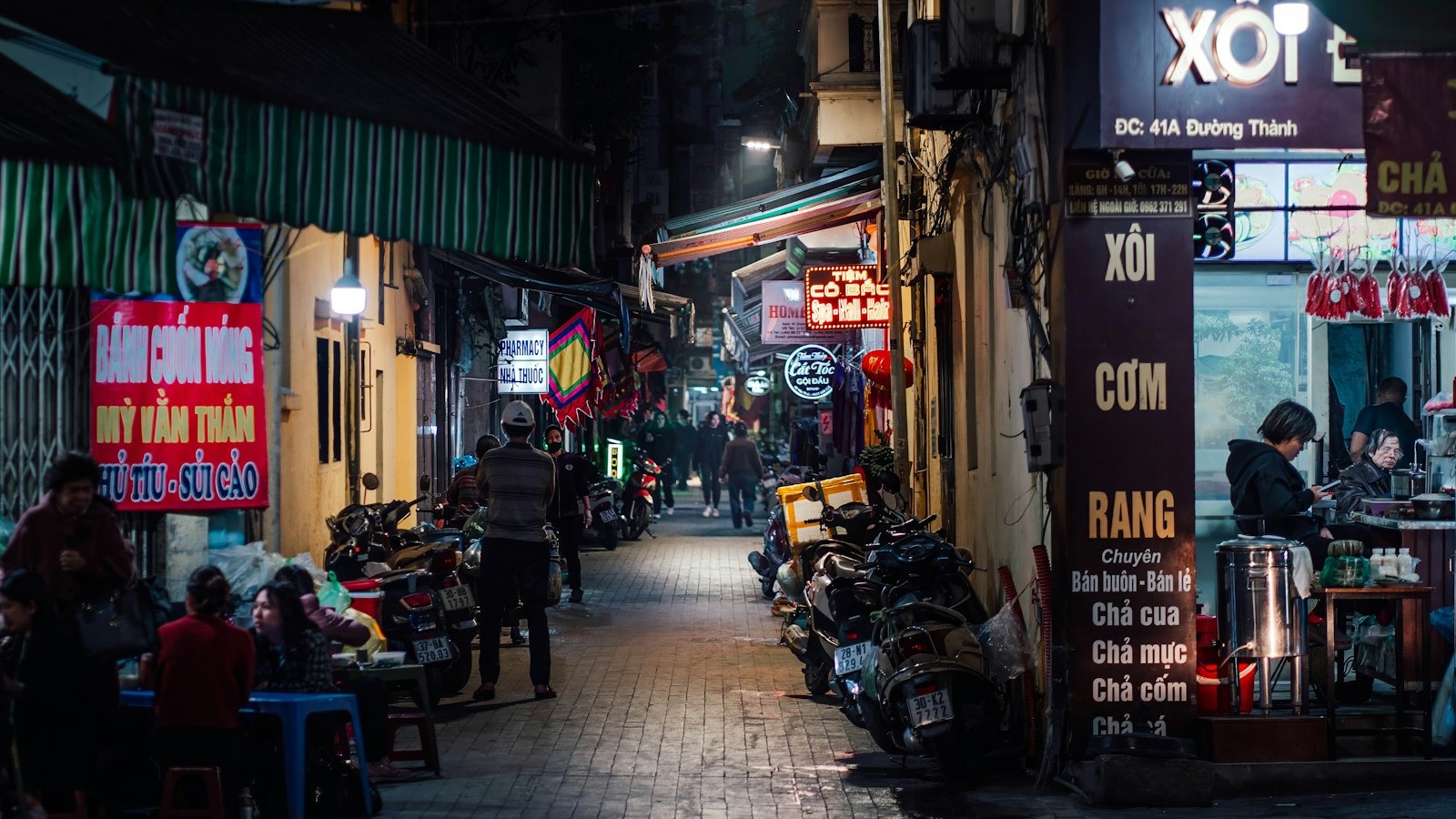
Vietnam’s own cultural backdrop supports the shift. Play is a public habit here, from pavement board games to internet cafes to esports viewing. Livestream platforms in the country have reported hundreds of thousands of hours of game viewing every day. That street level, social texture is difficult to fake and is attractive to publishers who want a campaign to feel local without feeling small.
Where production capacity sits
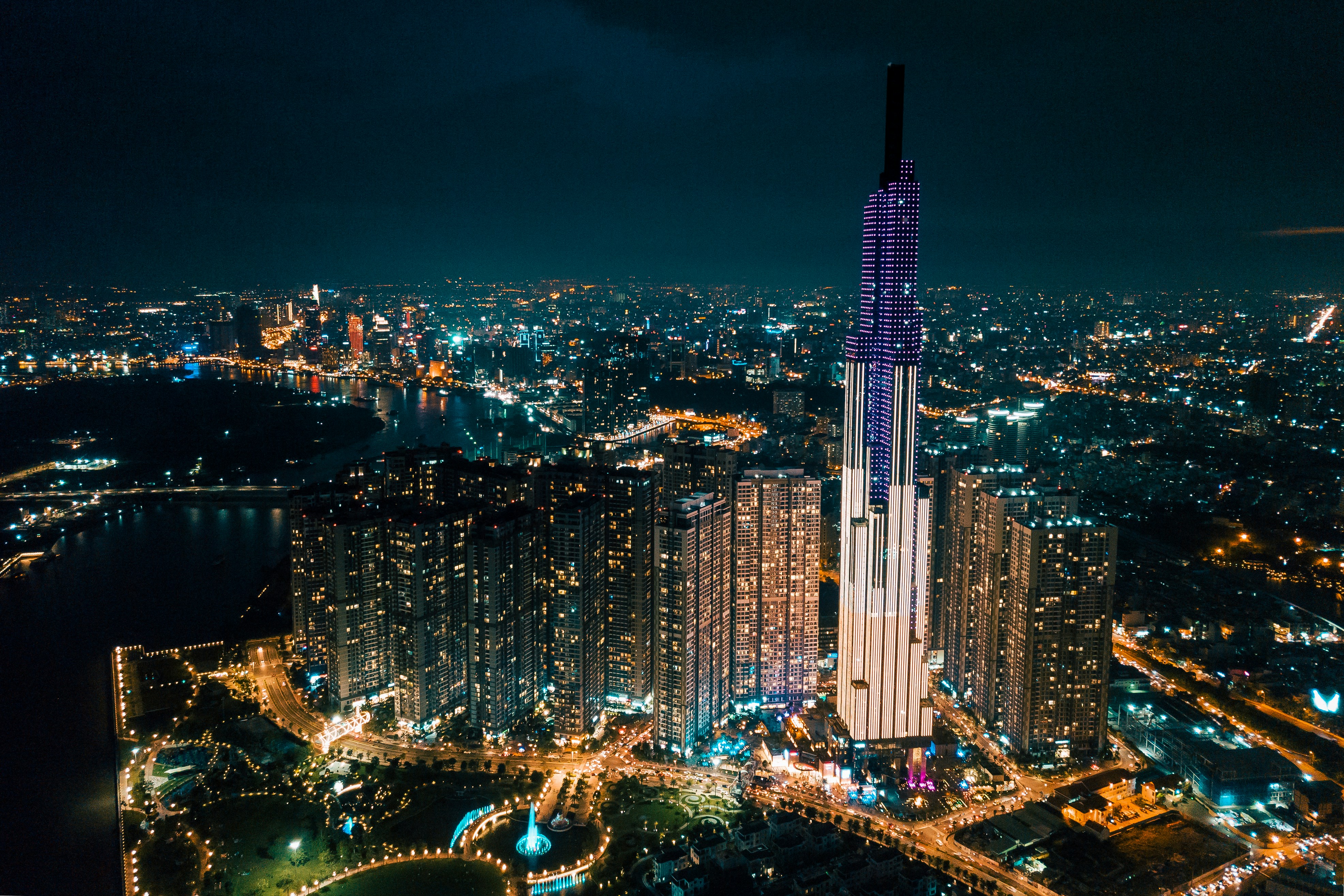
Ho Chi Minh City is the natural base for this kind of work. It hosts the largest concentration of agencies, rental houses, casting and post production in the country, and its cost structure is lower than Singapore or Bangkok for comparable crews. Regional reporting on production costs consistently places Vietnam among the more economical options in Southeast Asia, while Thailand and Malaysia compete on state rebates of up to 30 percent.
Smaller, integrated studios have filled part of the gap. Companies such as Hoang Films, a Saigon production house operating for about three years with more than fifty projects behind it, represent the model: one team shooting and finishing, rather than a chain of subcontractors. For publishers that already work with an agency, the relevant question is less who can shoot and more who can hand back a finished, delivery ready film in the right formats for every channel. A production house in Saigon that covers both stages shortens that chain, and recent commercial work gives buyers a way to judge fit.
What to watch
Three signals will indicate whether the category matures. The first is whether trailer budgets rise as a share of launch spending once user acquisition costs stay elevated. The second is whether national policy follows through: Vietnam’s cultural industries strategy targets roughly 7 percent of GDP by 2030, and film and advertising are named priority sectors. The third is whether international publishers begin commissioning in Vietnam for markets that have nothing to do with Vietnam.
A game that is made in Hanoi or Saigon and sold in Seoul or Los Angeles is an export product, and export products need export grade film.
The downloads tell the story of reach. The trailers will decide how much of that reach turns into revenue.