More than 64 percent of brands worldwide now hold some form of in house creative capability, according to industry surveys tracked by the Association of National Advertisers. That figure alone would suggest the traditional production house is losing ground. It is not, and the more interesting number sits one line below it: 51 percent of those same brands still send post production and visual effects work outside the building, even after building their own creative teams. The split, not the shift, is the story.
The great pivot inward
The pull toward in house creative has a clear driver. DTC and challenger brands report creative production as their primary growth constraint in 2026, cited by 67 percent of respondents, up sharply from 42 percent in 2024, per the same industry tracking. Speed explains most of that jump. A performance ad that once took an agency two weeks to turn around now needs to ship in hours to keep pace with paid social auctions and retail media placements. Brands that own the storyboard, the shot list and the editor's timeline can move at that pace. Brands that route every cutdown through an external agency generally cannot.
Forrester's 2026 outlook frames the consequence bluntly: agencies that keep positioning themselves as pure creative vendors risk being systematically deprioritized by clients who have already built the muscle to brief, shoot and edit lightweight content themselves. The agencies with staying power, Forrester argues, are the ones acting as technology enabled managed service providers rather than order takers.

What never moves in house
That deprioritization, though, stops at a fairly consistent line. Versioning, cutdowns and day to day social assets are the work brands pull in house first, with 58 percent of surveyed brands now managing ad versioning internally. Post production, color and visual effects sit on the other side of that line. The reasons are structural rather than cultural: a versioning editor needs a template and brand guidelines, while a colorist or VFX artist needs specialized software, calibrated monitors and years of craft that a lean in house team rarely has budget to replicate for occasional use. Production houses are not competing with in house teams for the same work. They are absorbing the half of the workload that in house teams were never built to carry.
That division maps closely onto a wider trend in global content economics. Streaming content spend alone rose 6 percent to 95 billion USD in 2025, according to Ampere Analysis, a volume of finished output that outstrips what any single brand's internal team could realistically process without an external finishing partner.
Vietnam's version of the split
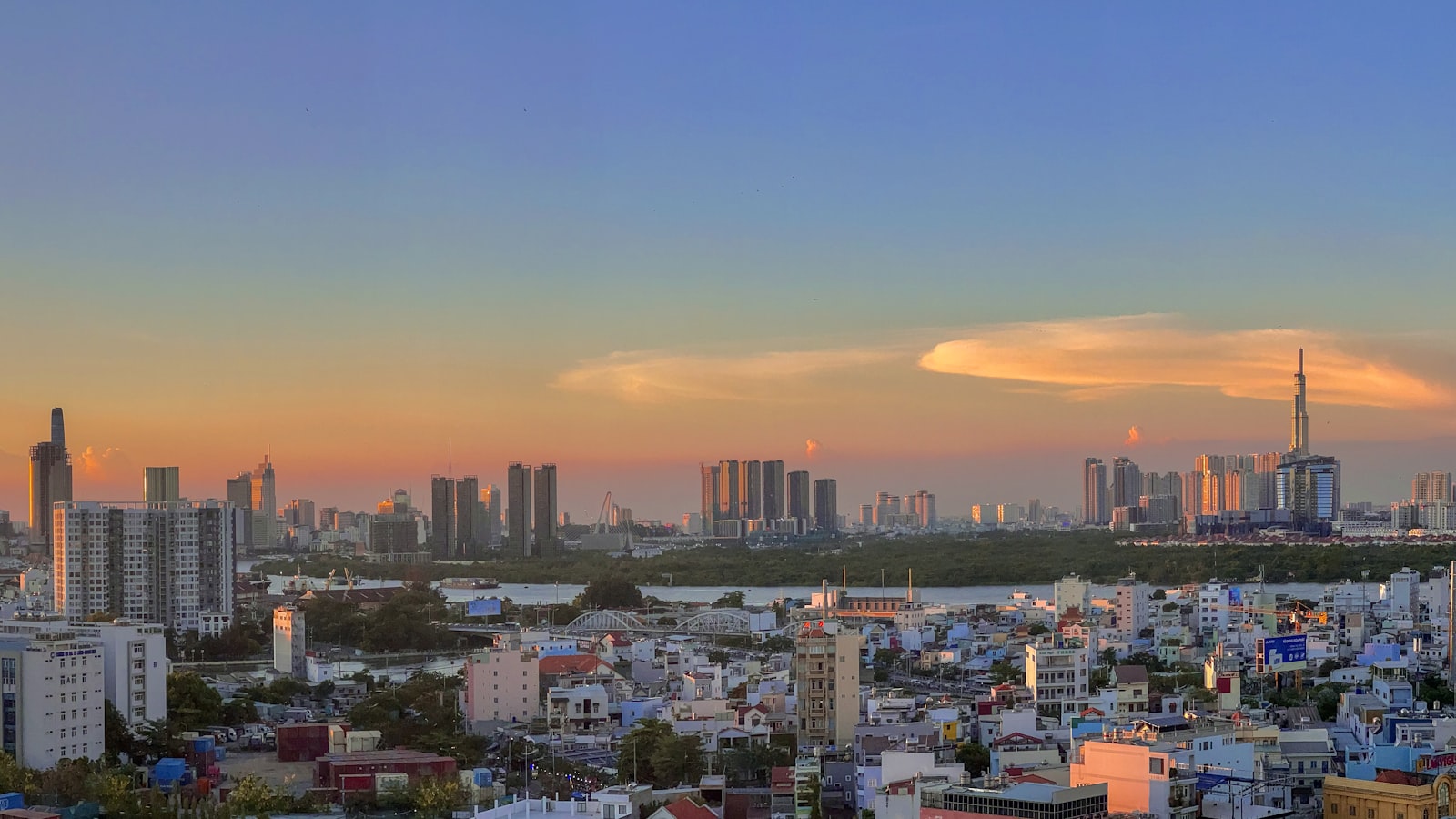
Vietnam offers a compact illustration of the same pattern, sped up by capital flow. Ho Chi Minh City registered 8.37 billion USD in foreign direct investment during 2025, up 24.2 percent year on year, with Singapore as the largest single source, according to city figures reported by VietnamPlus. Vietnam's national advertising market is estimated at roughly 3.5 billion USD for 2025 by IMARC Group, still a fraction of the global 1 trillion USD-plus ad economy tracked by Dentsu for 2026, but growing from a low base with international capital arriving faster than local infrastructure can absorb it.
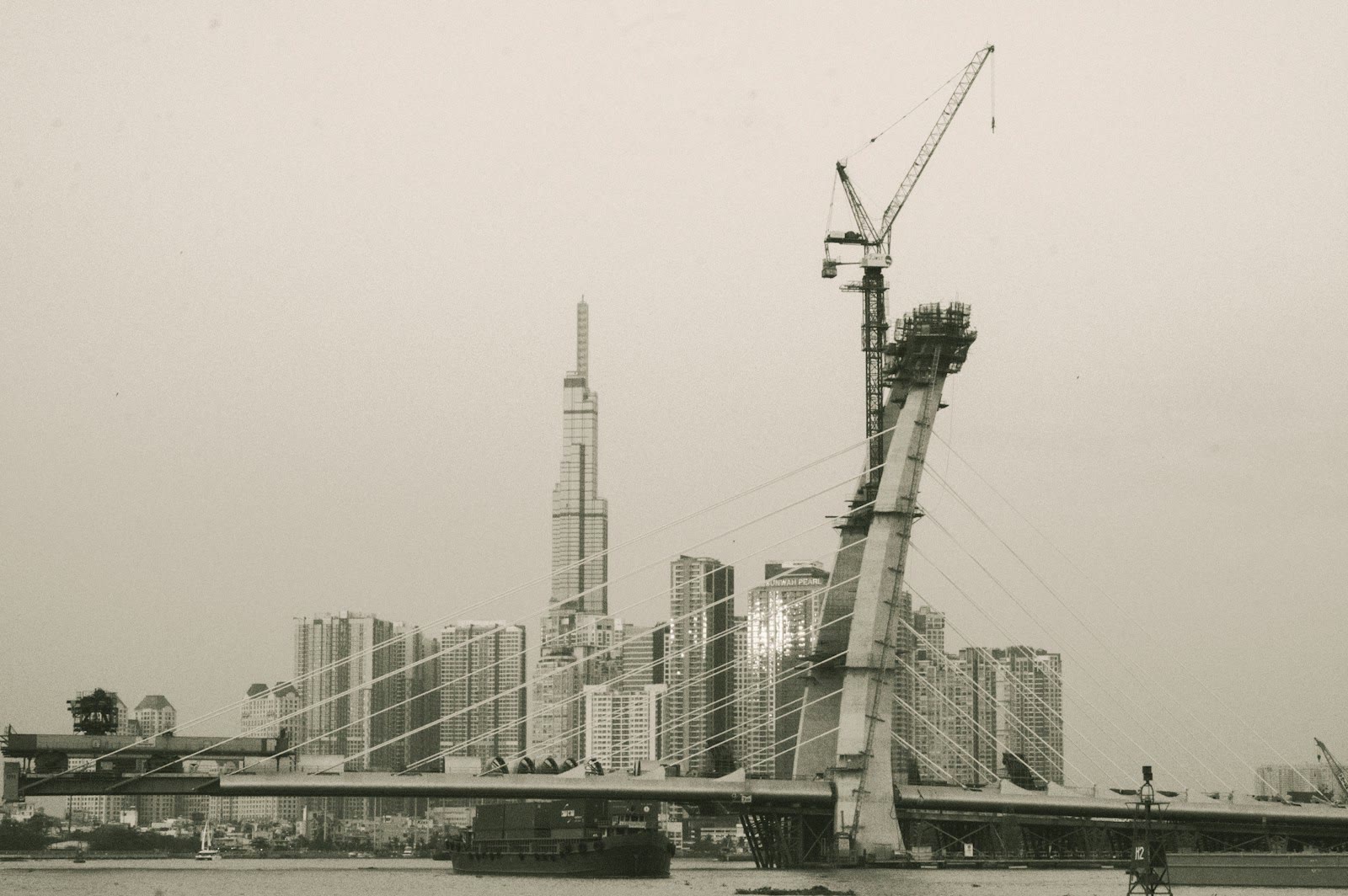
International brands entering that market rarely arrive with a Vietnam based in house team. They arrive with a global or regional in house function that handles briefing, strategy and versioning remotely, and a local gap that needs filling on the ground: casting, permits, crew, and a finish that meets the brand's global standard. That gap is exactly where a production house in Ho Chi Minh City sits. Studios like Hoang Films, operating from Saigon, occupy that specific seam between a brand's internal marketing function and the specialized production and finishing work that function was never resourced to do itself.
Reading the market correctly
The mistake international marketers most often make when evaluating Vietnam is treating "in house versus agency" as a binary choice to be settled once, globally. The data suggests brands are instead making that decision function by function. Versioning and social cutdowns move in house first. Casting, location logistics, principal photography and finishing stay external almost everywhere, because those functions carry fixed costs and specialized labor that only scale economically across many clients, which is precisely what a dedicated production house in Saigon is built to do.
For a brand weighing a shoot in Ho Chi Minh City against Bangkok or Singapore, the practical question is narrower than "build or buy." It is which local partner can absorb the production and finishing load that the brand's own in house team was never meant to carry, at a cost structure that reflects Vietnam's still developing but fast maturing production infrastructure. As Vietnam's advertising market compounds toward the 5 billion USD range projected for the next decade, that partner selection becomes less a vendor decision and more a standing operational relationship.
"The agencies with staying power are the ones acting as technology enabled managed service providers rather than order takers," Forrester's 2026 industry outlook notes, a framing that applies just as directly to production houses competing for brand budgets in emerging Southeast Asian markets.
The direction of travel is consistent across every market tracked: creative gets faster and moves inside the building, production and finishing get more specialized and stay outside it. Vietnam, still early in its own advertising growth curve, is simply making that same split visible in real time.