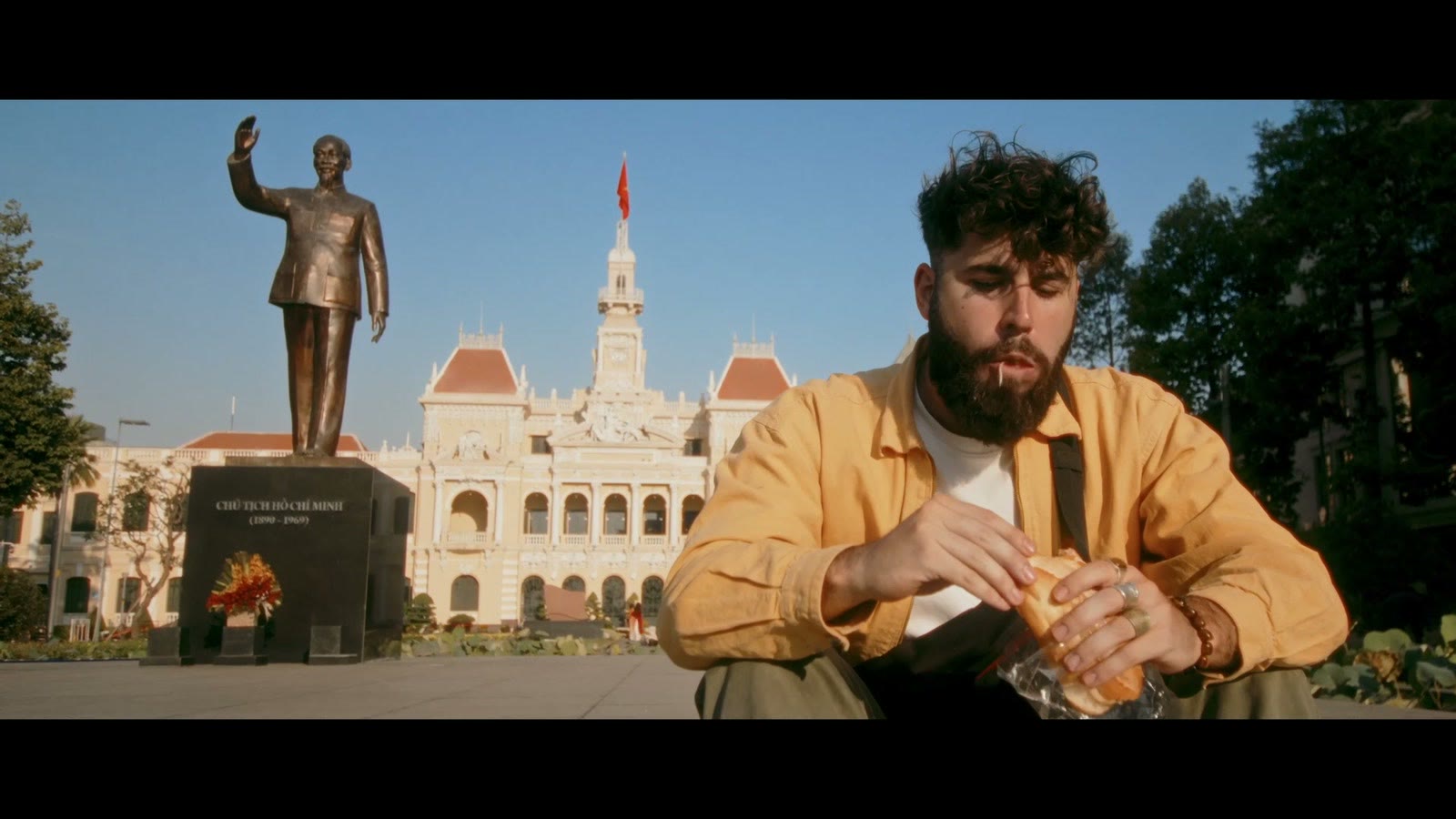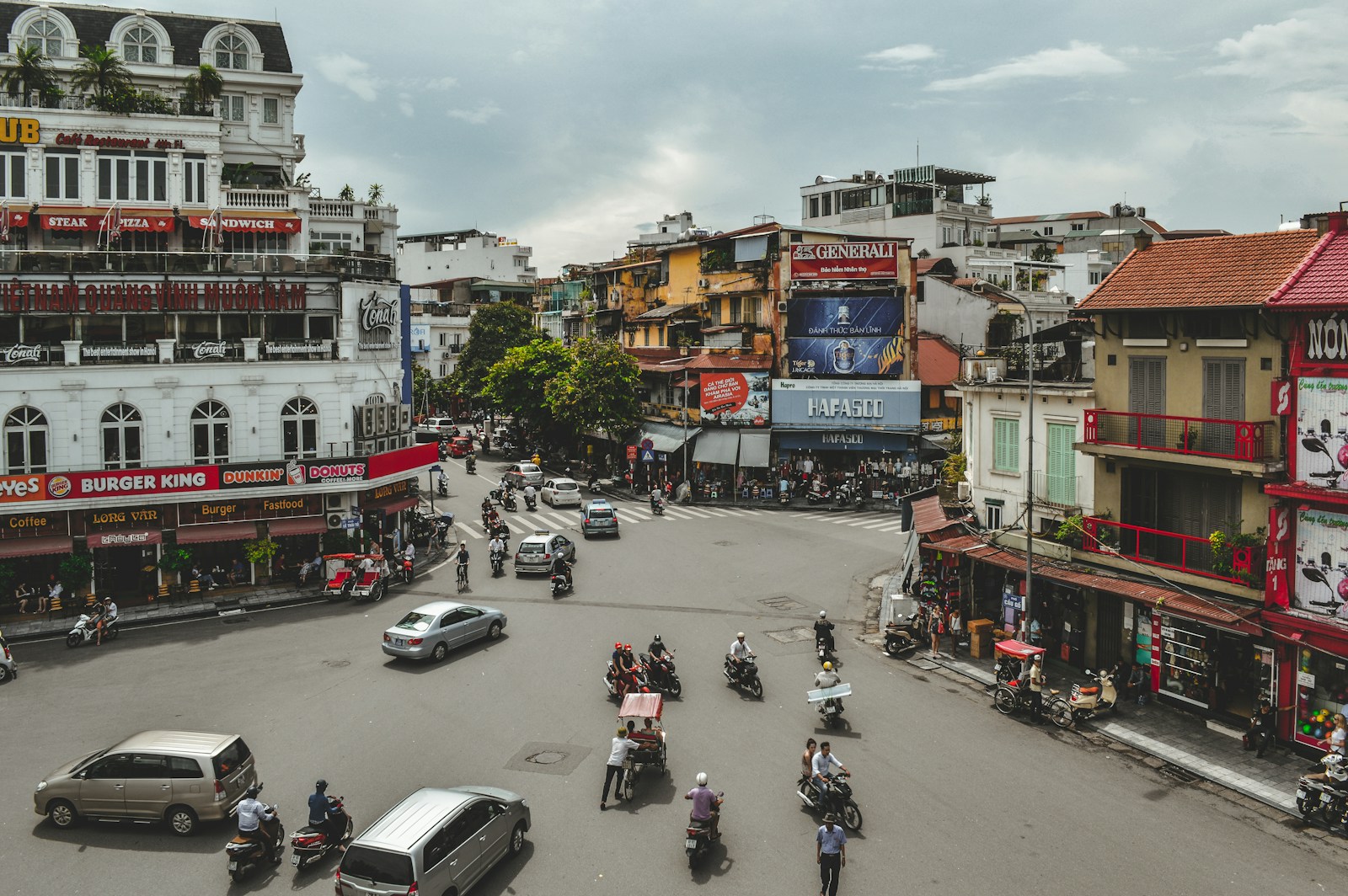
Vietnam's government has set a number on its creative ambitions, and the video production market sits directly in its path. A prime ministerial decision issued in late 2025 targets cultural industries, film and advertising named explicitly, at roughly 7 percent of GDP by 2030, rising toward 9 percent by 2045. For a sector historically treated as a cost line rather than an export category, that is a marked shift in official posture.
The policy lands on top of a market that was already accelerating. Global advertising spend crosses the 1 trillion USD threshold in 2026 for the first time on some measures, with WARC putting the wider figure at 1.30 trillion USD, up 9.1 percent year on year. Asia Pacific ad spend grows 5.4 percent in 2026, according to Dentsu, and Vietnam's own digital ecosystem is compounding fast: 79.8 million internet users, a 78.8 percent penetration rate, and social media ad spend of 398 million USD in 2025, up 12 percent year on year and now 27.8 percent of total digital ad spend, per We Are Social and Meltwater's Digital 2025 Vietnam report.
Where the money is actually moving
Video is not a peripheral beneficiary of this growth, it is the primary channel absorbing it. Online video ad spend grows 11.5 percent year on year in 2026, roughly twice the pace of the total ad market, according to Dentsu. In the United States, a market that still sets the tone for global agency budgets, digital video ad spend surpasses 80 billion USD this year, up 11 percent, and now exceeds 60 percent of total TV and video ad spend for the first time, per eMarketer. Retail media compounds the pressure: nearly 80 percent of global ad spend now flows to retail media, paid search and social on WARC's tally, and Vietnam's own online retail market across four major platforms reached 16.35 billion USD in 2025, up 34.75 percent year on year according to Metric.
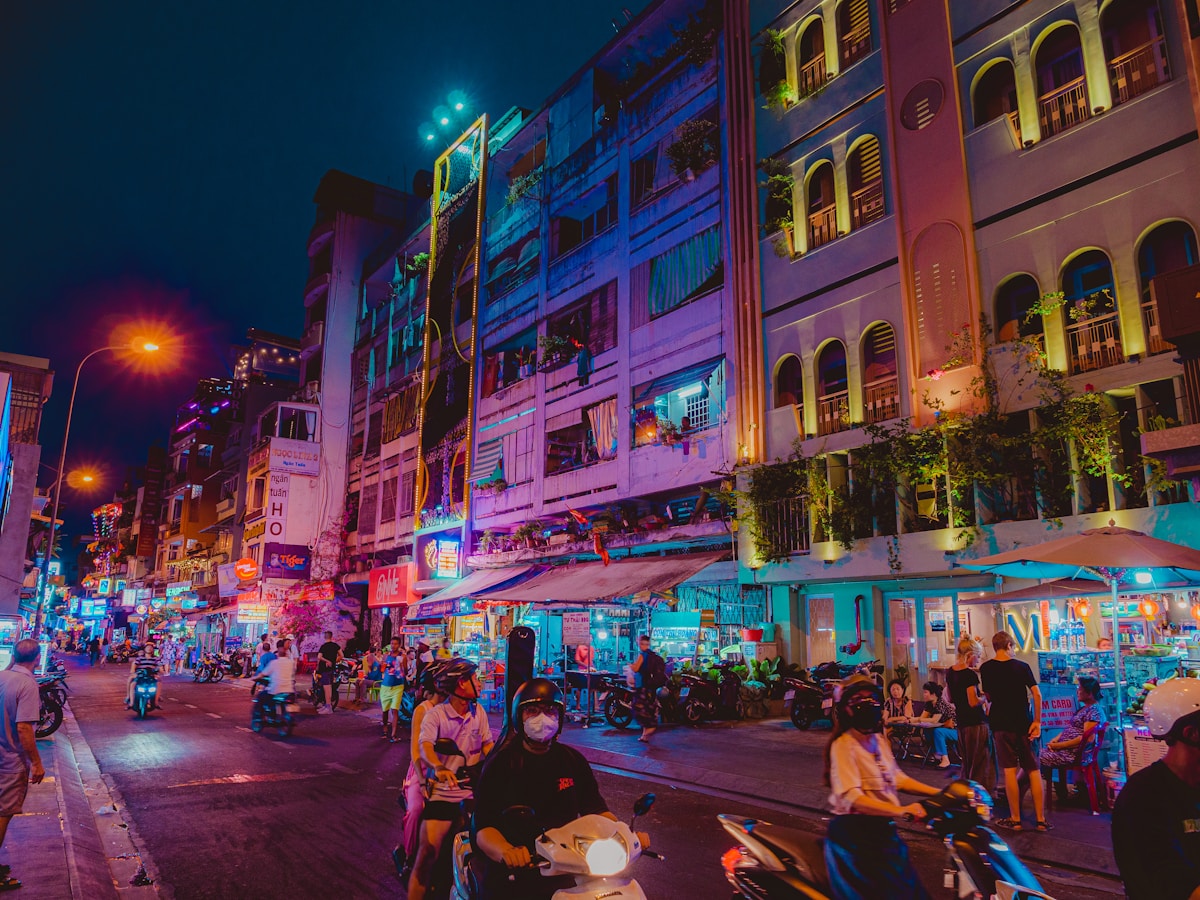
That combination, retail media growth plus a video hungry ad ecosystem, is precisely the demand curve a production house in Vietnam is built to intercept: shorter turnarounds, higher unit volume, and buyers who increasingly compare Saigon against Bangkok and Manila before committing a budget.
A market that rewards finished craft, not raw footage
What the national strategy signals, deliberately or not, is a shift in how the government wants the sector counted: not as a service that supports advertising, but as a cultural export in its own right, alongside film and animation. That framing matters for how international buyers evaluate the market. A study commissioned once, an emulation LUT chain applied twice, a production finished in house from shoot to color rather than passed between three vendors, becomes a competitive detail rather than a footnote.
Industry observers point to a related structural shift: production and post production are consolidating under single roofs across Southeast Asia, mirroring what happened in the UK and Australian markets a decade earlier when tax incentives and volume pushed vertically integrated studios ahead of fragmented crews. Saigon based studios such as Hoang Films, whose portfolio spans international brand work like The Paper and commissioned commercial projects, are part of that consolidation, positioned as full service partners rather than camera crews for hire.
The regional comparison international buyers are already running
Global entertainment and media revenue is projected to reach 3.5 trillion USD by 2029, up from nearly 3 trillion in 2024, a 3.7 percent compound annual growth rate, according to PwC's Global Entertainment and Media Outlook. Advertising itself grows roughly three times faster than consumer spending in that same window, PwC notes, which makes it the lead growth driver inside that broader media economy. For a marketing director in London or Singapore deciding where to place a regional shoot, Vietnam now competes on more than day rate. The calculation increasingly includes crew depth, post production maturity, and whether a market has enough working studios to absorb overflow demand during a regional campaign season.
"The countries that will win the next decade of production spend are the ones that stopped treating video as a line item and started treating it as an export," one Southeast Asian media economist noted in a recent industry briefing on the region's creative sector targets.
What the growth curve implies for the next two years
TikTok Shop's rise inside Vietnam, now holding an estimated 39 to 41 percent share of e-commerce gross merchandise value according to Metric and industry reporting, illustrates the mechanism at work: platforms reward brands that can produce native, high frequency video content, and that production demand does not stay confined to Ho Chi Minh City. Agencies in Bangkok, Singapore and increasingly London are already routing overflow briefs toward Vietnamese studios, drawn by a market where crew rates remain competitive against the region while creative and post production standards have visibly closed the gap.
The national target gives that trend a policy tailwind it did not previously have. Whether Vietnam reaches 7 percent of GDP from cultural industries by 2030 is a question for economists. What is already observable in briefs, in agency shortlists, and in the volume of retail media and social video spend moving through the market, is that the video production sector is no longer a rounding error in that conversation. Studios that can show finished, credited work, the kind visible in a portfolio like Hoang Films' filmography, are the ones positioned to absorb it.