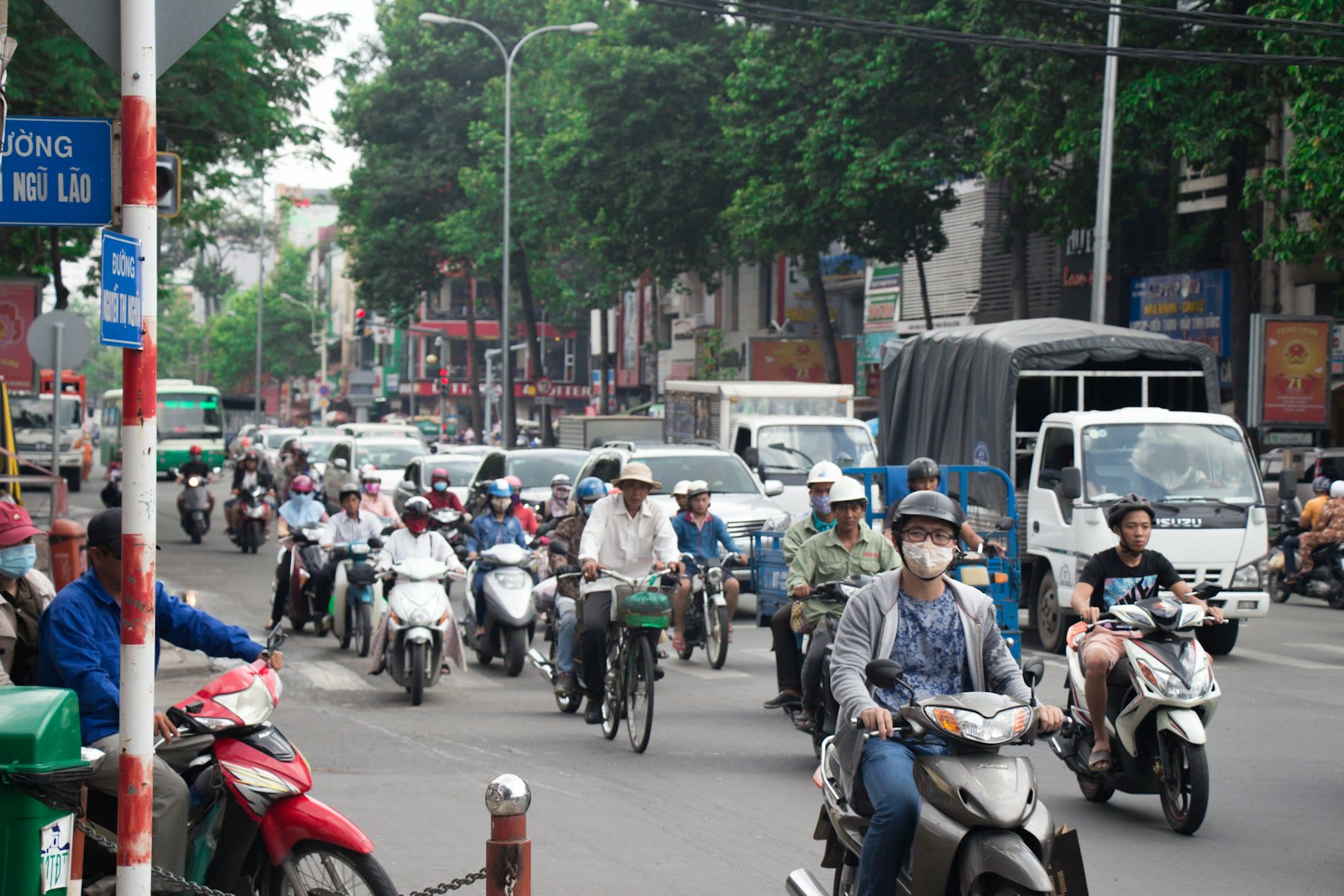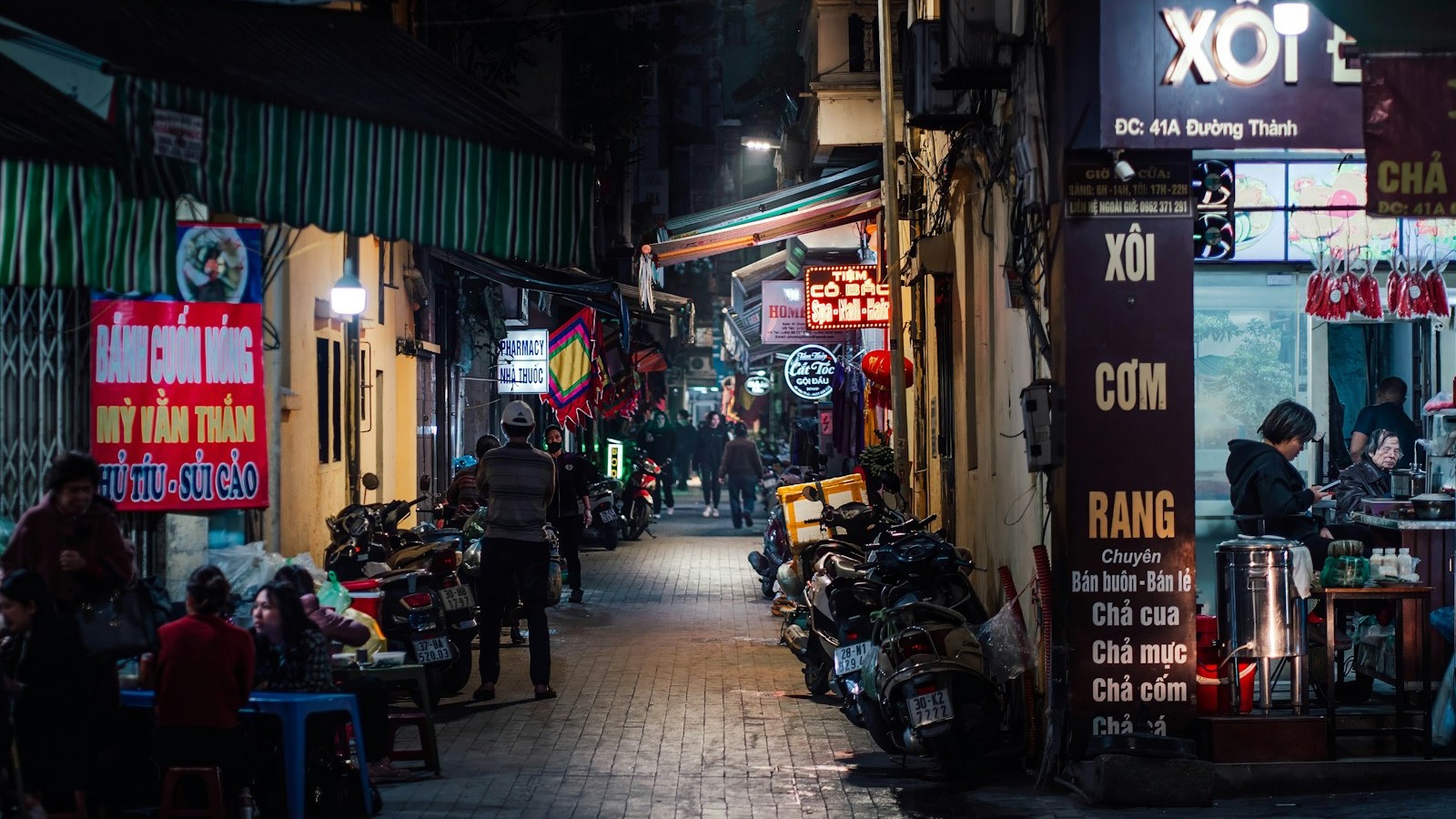
Two thirds of marketers now use generative AI somewhere in ad creative production, according to WARC, and the tools have moved past copy variants into image generation and video editing. The number sits at 67 percent globally, with 74 percent of that group generating copy, 61 percent generating images and 38 percent already touching video. For a production market like Vietnam's, built on physical shoots, real light and a crew on the ground, that statistic is not an abstraction. It is a question about what still gets paid for.
The scale of the shift shows up in the money as much as the workflow. AI powered ad spending in the United States is projected to jump 63 percent in 2026, reaching 57 billion dollars and accounting for roughly 12 percent of the estimated 475 billion dollar US ad market, per eMarketer. Much of that growth rides on automated placement systems, Google's Performance Max and Meta's Advantage Plus among them, rather than on synthetic video replacing commissioned production outright. The distinction matters for anyone reading the trend from Ho Chi Minh City rather than San Francisco.
A market growing faster than the tools that worry it
Global advertising is not shrinking under AI pressure. WARC put 2026 global ad revenue at 1.30 trillion dollars, up 9.1 percent year on year, while eMarketer's own worldwide estimate lands at 1.17 trillion dollars with digital spend growing 13.5 percent against 2.5 percent for traditional media. Generative tools are entering a market that is expanding, not one in retreat, which changes the framing considerably. The question for a brand is less "will AI replace this production" and more "which parts of the budget move where."
Southeast Asia sits inside that expansion as a cost and craft destination rather than a passive recipient of trends set elsewhere. Buyers comparing Vietnam against Thailand, Singapore or the Philippines already weigh currency, crew rates and turnaround against quality, a calculation that predates generative AI and continues largely unchanged by it. What has changed is the number of assets a single campaign now needs, banner variants, vertical cuts, localized versions, and that volume pressure is where AI tools do measurable work.

Where the automation actually lands
WPP Media forecasts generative search ad revenue reaching 5.1 billion dollars in 2026 and passing 100 billion by 2030, a curve that sits almost entirely inside the search and performance layer of marketing, far from the commissioned brand film or product shoot. That separation is instructive. The 38 percent of marketers touching AI on video, per WARC, are largely doing so on cutdowns, resizes and rough assembly rather than on the kind of directed, on location commercial work that anchors a brand campaign. Automation compresses the cheap, repetitive edges of a production pipeline. It has not yet found a way to compress a director's read of a room, a client's brand story or a market's visual expectations.
That gap is precisely where production houses positioned around craft rather than volume continue to find commissions. Studios like Hoang Films in Saigon, built around a single creative hand carrying a project from direction through the edit, sit in the category AI has not automated: work commissioned because a brand wants a specific look, tied to a specific place, made by people who understand both the brief and the market it is landing in.
What buyers are actually asking for
Agencies and brand marketers evaluating Vietnam as a production base are not asking whether AI can replace a shoot. They are asking whether a market known for lower costs can still deliver work that reads as premium once it reaches a global audience. That question predates the current AI cycle, and the answer has always rested on the same variables: crew experience, post production discipline and a studio that understands both the brief and the destination market. Generative tools have sharpened the question rather than answered it, because a brand that can generate infinite cheap variants of an asset has more reason, not less, to commission the handful of hero pieces that need to be right.
The volume of assets a single campaign requires has grown according to WARC's own creative production data, with copy variants leading the list of AI use cases at 74 percent. That growth in variant count puts more weight, not less, on the source material a brand builds those variants from. A hero film shot with intention, then adapted, holds up better under AI led repurposing than a film that was never built with a clear point of view. Production houses that understand this dynamic, in Vietnam and elsewhere, are positioning their pitch around exactly that logic: fewer, better originals, built to survive being cut a hundred ways downstream.
Hoang Films' body of work reflects that positioning, a small slate of commissioned projects rather than a high volume asset mill, aimed at brands that need one film to carry a campaign rather than a thousand automated variants of a mediocre one.
The near term picture
None of the 2026 forecasts point to generative tools displacing commissioned video production in Southeast Asia within the next planning cycle. They point instead to a reallocation: automation absorbing the repetitive layer of ad production while budgets for original, location specific work hold, and in some categories grow, as the volume of derivative content around them multiplies. For a market like Vietnam, competing on both cost and craft against Thailand, Singapore and the wider region, that reallocation is closer to an opportunity than a threat, provided the craft argument stays credible.