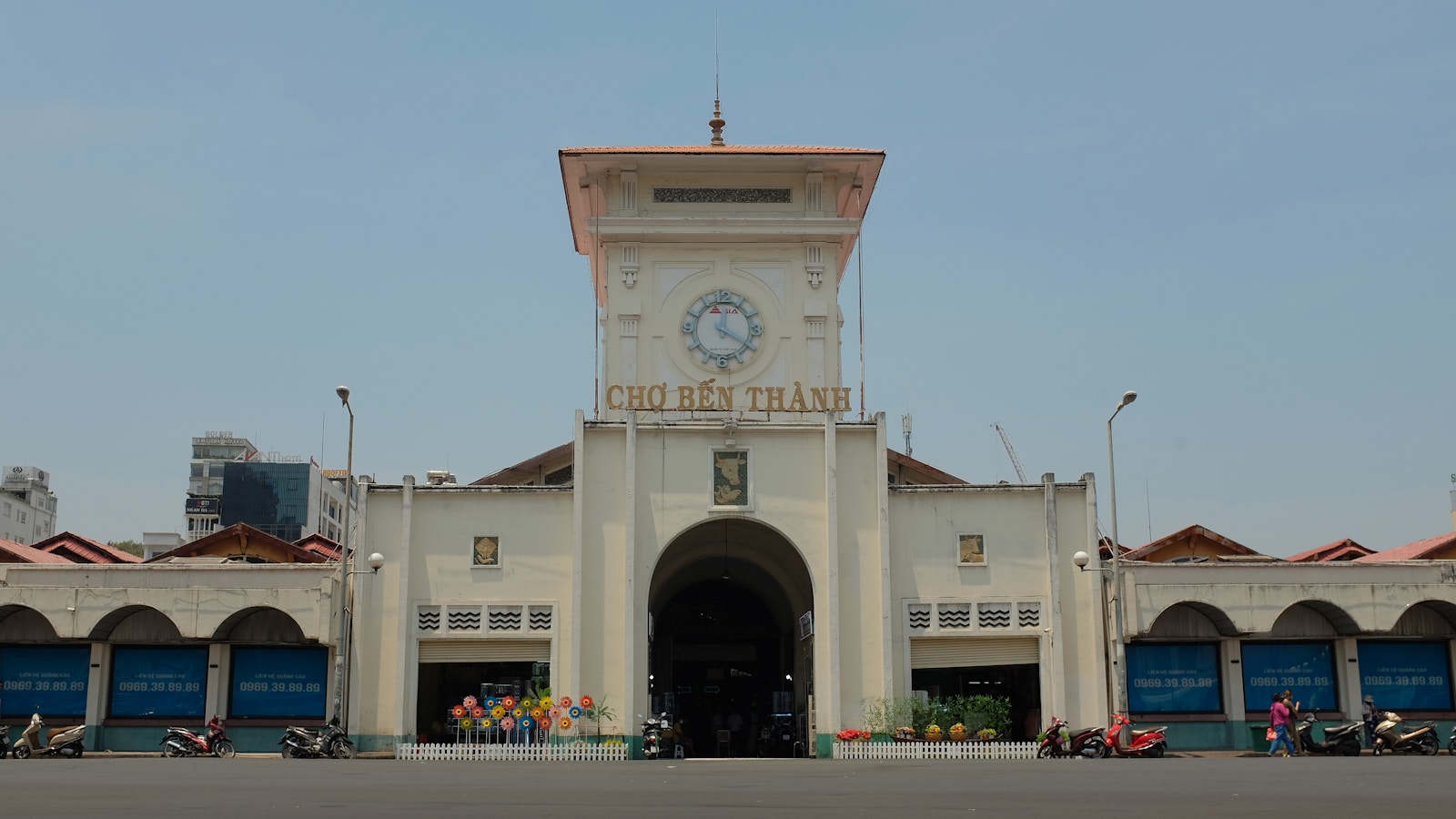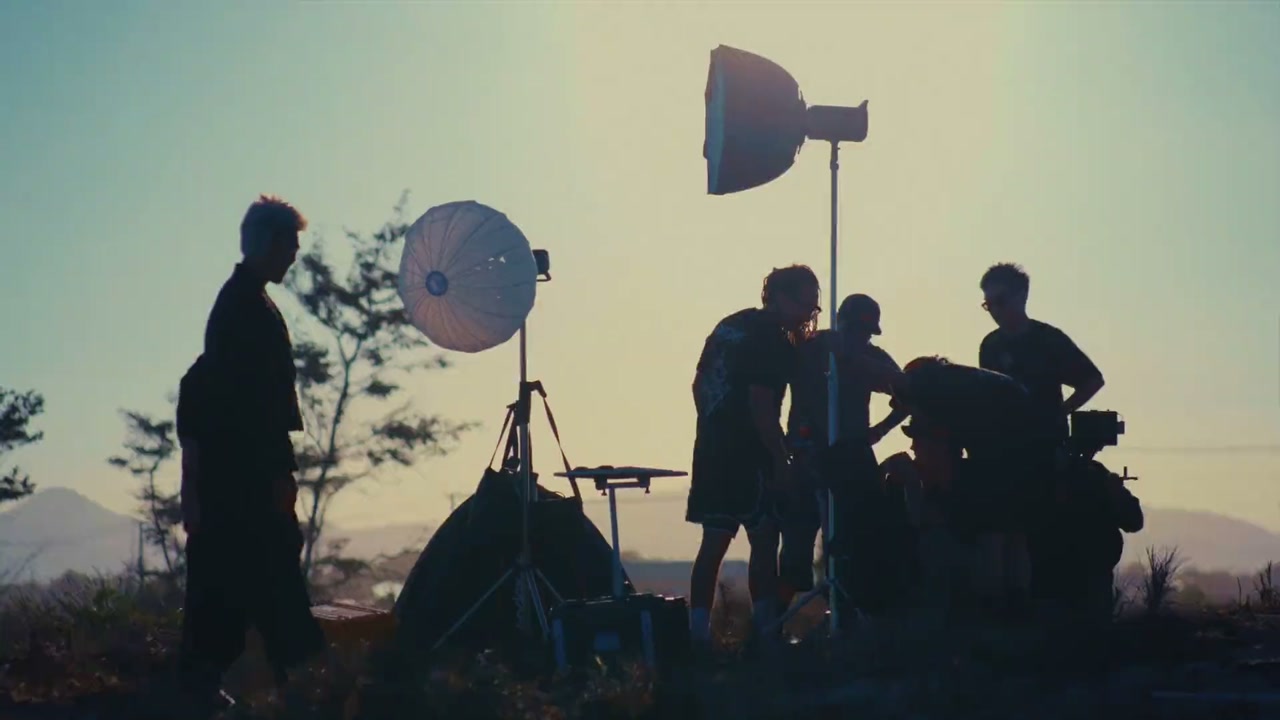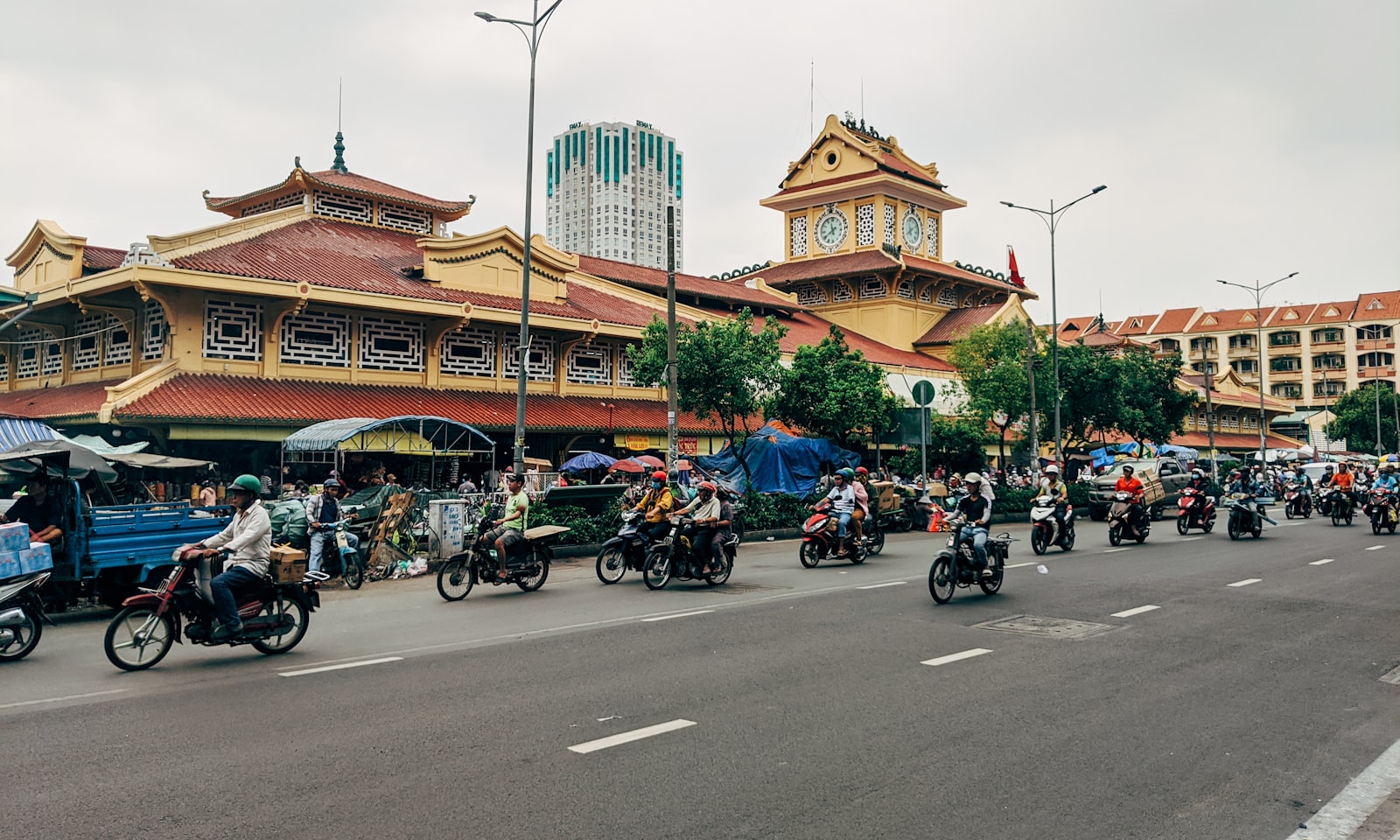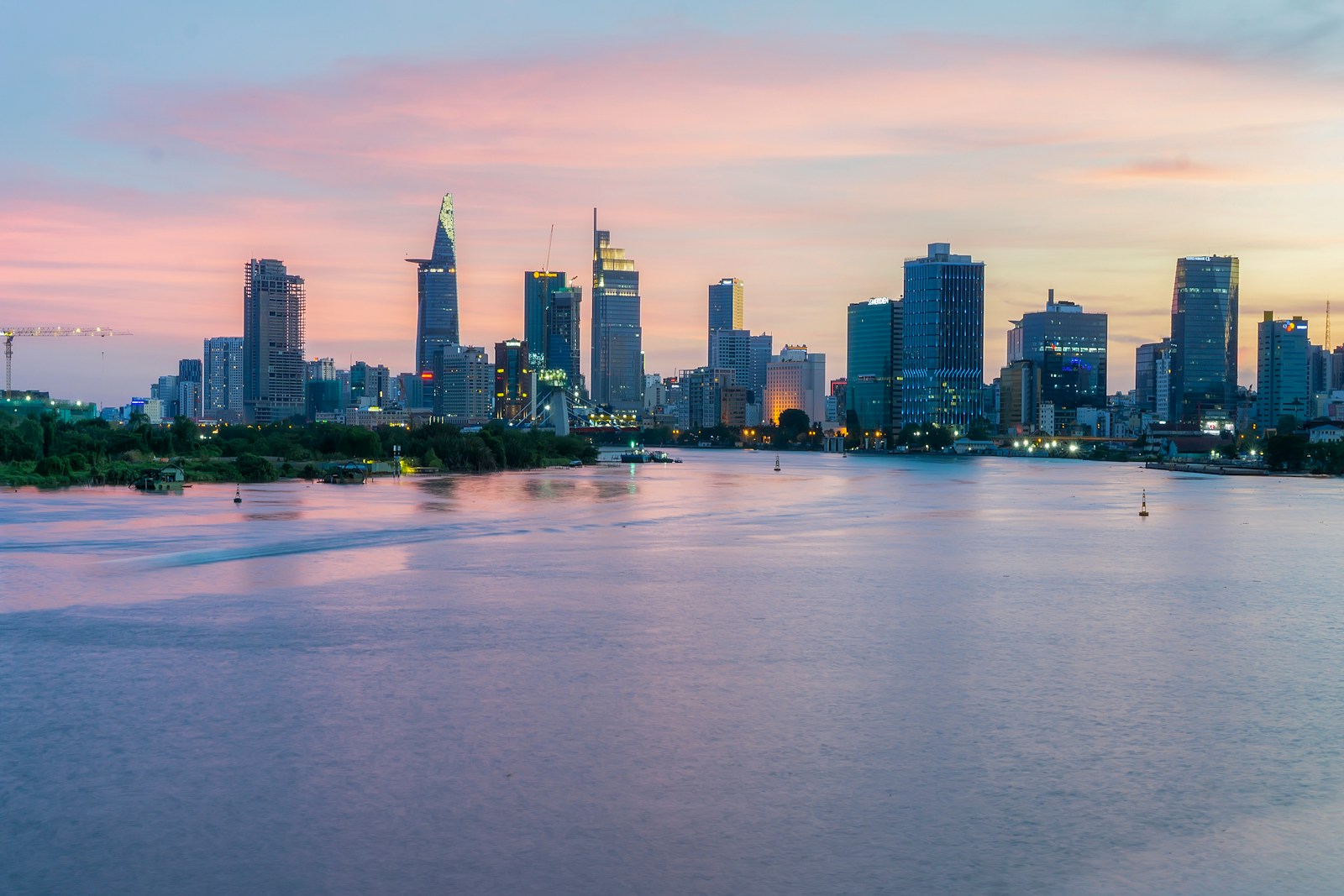
Los Angeles recorded its worst ever on location shoot day totals outside of the pandemic years. Total LA shoot days fell 16.1 percent in 2025 versus 2024, according to FilmLA, with Q1 2025 on location filming down 22 percent year on year. Production incentives, labour cost differentials, and timezone advantages across Southeast Asia are the mechanisms the industry cites consistently. The money and the crews are moving, and Ho Chi Minh City is increasingly the address foreign production companies arrive at when they begin asking where next.
Before a commercial, corporate video, or brand film rolls a single frame in Vietnam, however, one question shapes the entire pre-production calendar: the permit. Understanding the Vietnamese regulatory architecture not as a bureaucratic obstacle but as a production planning input separates crews that arrive prepared from those that do not.
The Regulatory Split That Defines the Budget Calendar
Vietnam routes foreign film permits through two separate ministries, and the difference in timeline between them is substantial enough to affect project schedules and client commitments.
For the vast majority of commercial work, the relevant authority is the Ministry of Foreign Affairs (MoFA). Television programmes, reality formats, documentaries, commercial advertisements, brand and corporate videos, music videos, and news coverage all fall under MoFA jurisdiction. Standard processing runs five to seven business days, though production professionals consistently advise submitting documentation at least ten working days before crew arrival.
Feature length productions, classified as cinematographic works, pass through the Ministry of Culture, Sports and Tourism (MoCST) instead. That process extends to fifteen to thirty business days. The Vietnam Foreign Press Center (presscenter.org.vn) serves as the operational gateway for foreign crews navigating MoFA channels, handling the formal intake of documentation from accredited Vietnamese partners.
The routing matters because misclassifying a production type, filing a brand film under feature film channels or vice versa, adds weeks rather than days to a timeline. The distinction is not always obvious at the brief stage, and local counsel is the most reliable disambiguation tool.
The Documentation Stack
A complete application requires a defined set of materials, submitted through a licensed Vietnamese entity. Foreign production companies cannot apply independently; a local partner or production services company holds the permit and bears legal responsibility for the shoot.
The standard documentation stack includes company registration documents, a project synopsis, a shooting schedule specifying exact locations, a full crew list, an equipment inventory, and a written letter of responsibility. For foreign crews, an additional letter of endorsement from the Vietnamese partner entity is required.
Visas carry a separate requirement. Cast and crew entering Vietnam for filming purposes apply for journalist visas, a category distinct from standard tourist or business entry. This visa track carries its own lead time and, in practice, extends the pre-production timeline further than the permit process alone would suggest.
Drone operations sit on a parallel permit track with their own authority and timeline. Commercial drone work requires approval from the Ministry of National Defence, processed through the Civil Aviation Authority of Vietnam. Standard drone permits take seven to fourteen business days. Operational restrictions apply: a maximum altitude of 120 metres, no fly zones within eight kilometres of airports, and exclusion from airspace above military installations and central government buildings.
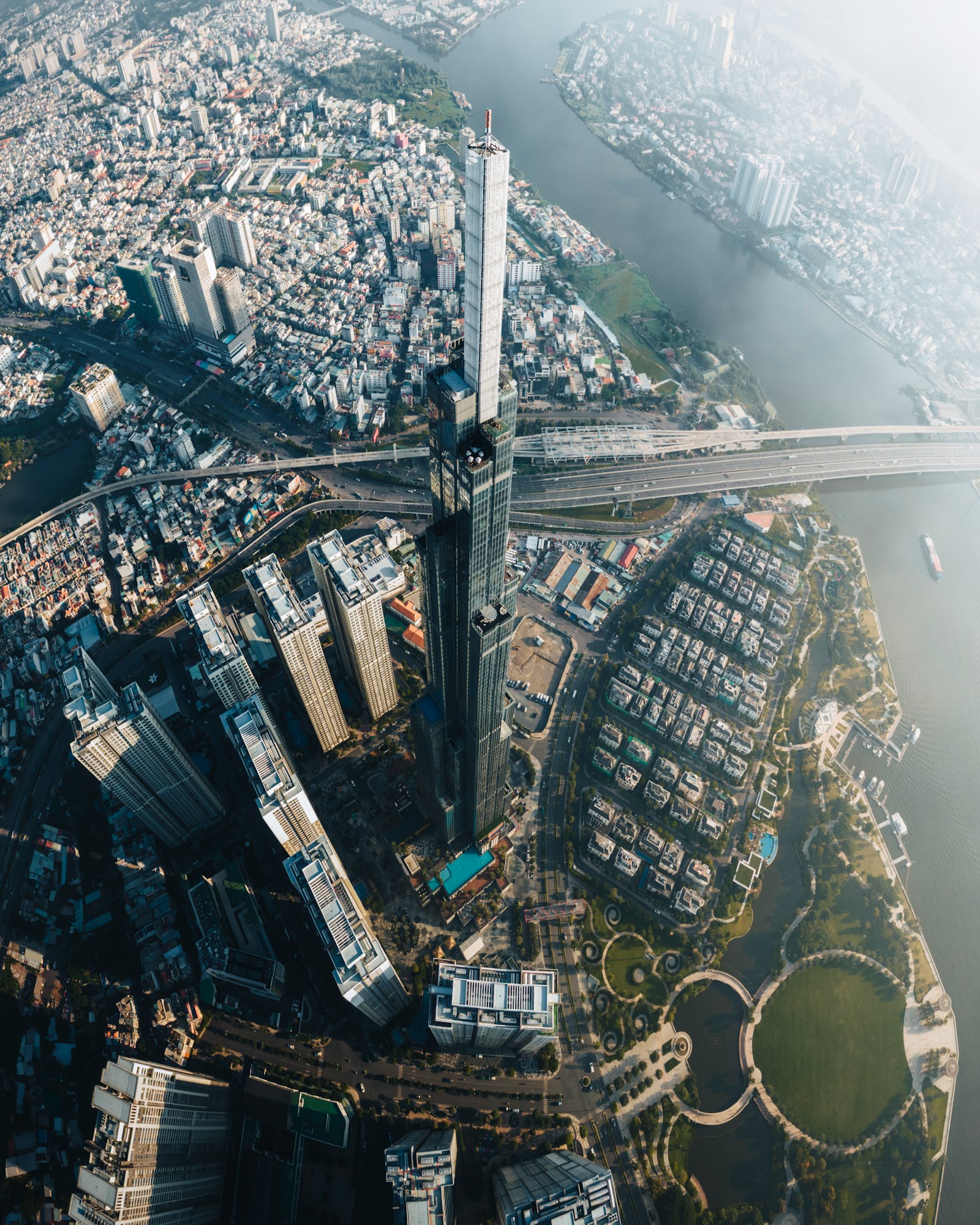
Location Permits: A Layer Below the Central Clearance
The central filming permit covers a production's legal entry and general authorisation. It does not replace location specific permissions, which are negotiated separately with city and district level authorities.
In Ho Chi Minh City, filming in public spaces, on streets, at recognisable landmarks, or in areas administered by district People's Committees requires an additional layer of local clearance. Fees for location specific permits typically run from 500,000 to 5,000,000 Vietnamese dong per location, with road closure permits reaching considerably higher. These are not administered centrally; production companies with local presence and existing institutional relationships navigate this layer more efficiently than incoming crews without a regional base.
The distinction between public space filming and studio or privately managed facility work is practically significant. Shoots conducted entirely within private studio infrastructure, without engaging public roads or government administered spaces, do not trigger the same permit requirements. Much of Ho Chi Minh City's production activity, for brands and advertisers working with locally established studios, takes place within this private facility framework and carries a lighter administrative load.
Timeline Planning for International Buyers
Production professionals uniformly cite six to eight weeks as the minimum pre-production window for international commercial work in Vietnam. The arithmetic is direct: central permit (ten working days minimum), journalist visas (typically two to three weeks, processed in parallel), drone permit if required (seven to fourteen business days), and location specific clearances with city authorities (variable by district and type of space).
From a budget perspective, the permit costs themselves are modest relative to total production spend. Standard filming permits run from free to approximately 2,000,000 dong. Drone permits add 2,000,000 to 10,000,000 dong. The material cost sits in the local partner and production services layer rather than in the government fees themselves.
Ho Chi Minh City in the Regional Production Picture
Southeast Asia's digital economy passed 300 billion USD in gross merchandise value in 2025, growing at roughly 15 percent year on year according to the Google, Temasek and Bain e-Conomy SEA report. The commercial video production market is a downstream beneficiary of that growth trajectory, as brands across the region scale content output to match digital distribution demand.
Thailand has moved aggressively to capture foreign production spend, raising its film cash rebate to up to 30 percent of qualifying local expenditure from January 2025 with no maximum cap, according to the Thailand Film Office. The country attracted 491 foreign productions in 2024. Malaysia's FIMI programme holds at 30 to 35 percent effective rebate. Vietnam has not yet built a comparable incentive structure, but named film and advertising as state priority sectors in Decision No. 2486/QĐ-TTg, targeting cultural industries at approximately 7 percent of GDP by 2030.
Ho Chi Minh City registered 8.37 billion USD in foreign direct investment in 2025, up 24.2 percent year on year, with Singapore as the largest single source, according to official city data. That capital rotation toward the city's knowledge and creative economy creates a growing base of multinational brands with local commercial video demand, even before international incentives are factored in.
For production companies evaluating Ho Chi Minh City as a commercial shoot destination, the regulatory infrastructure is navigable and the timelines are predictable, provided the pre-production calendar accounts for the permit stack from the outset. Studios embedded in the city, such as Hoang Films, a Ho Chi Minh City production studio, handle permit logistics as part of integrated production services, absorbing the local partner requirement and the district level relationship management that incoming international crews would otherwise need to build from scratch.
Vietnam's offer to international buyers is not principally regulatory efficiency. It is total production cost at a quality threshold, a mobile first domestic audience that validates commercial content investment, and a growing pool of production companies in Vietnam capable of delivering to worldwide standards. The permit process is the entry condition. It is not the story.