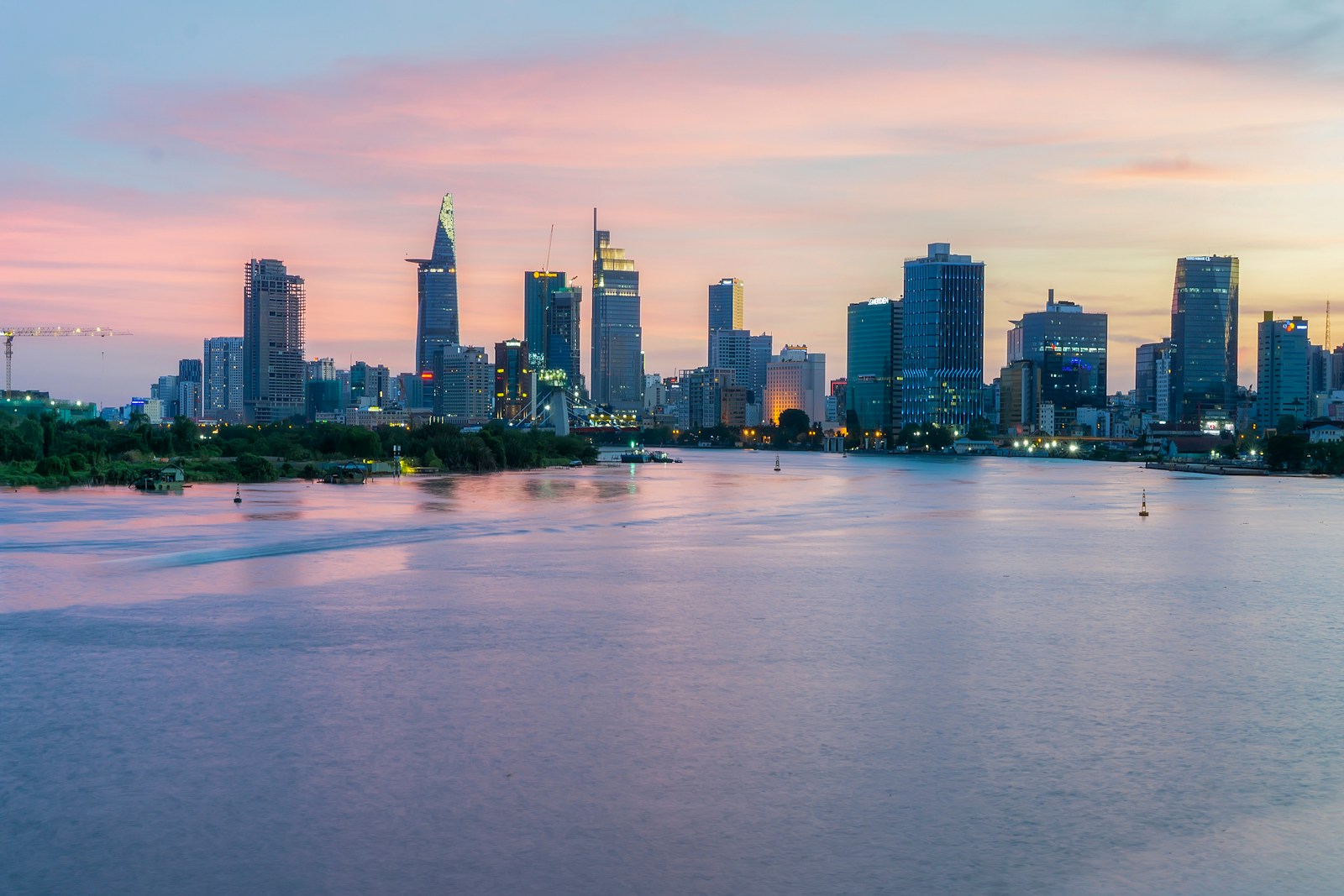
On World Cities Day at the end of October 2025, UNESCO added Ho Chi Minh City to its Creative Cities Network in the film category, making it the first city in Southeast Asia to carry the title. The label arrived on top of a market that already had numbers attached. City figures reported by Sai Gon Giai Phong put the local film sector at roughly 500 million USD of revenue in 2024, about 40 percent of Vietnam’s national film market. For international producers, that combination changes the register of an old question. Filming locations in Ho Chi Minh City used to be a scouting detail, settled late and cheaply. They are turning into a market argument, one a city government now makes on the record.
A designation with a balance sheet behind it
The UNESCO dossier was not a tourism brochure. According to the application figures carried by Vietnamese state media, 935 enterprises operate in the city’s film sector, more than 100 of them production companies working regularly, employing roughly 9,300 people. The sector contributes 0.43 percent of the city’s gross regional domestic product, a small share in absolute terms but a measurable one, which is precisely what a designation committee wants to see.
UNESCO describes Ho Chi Minh City as the country’s largest centre for film production and distribution.
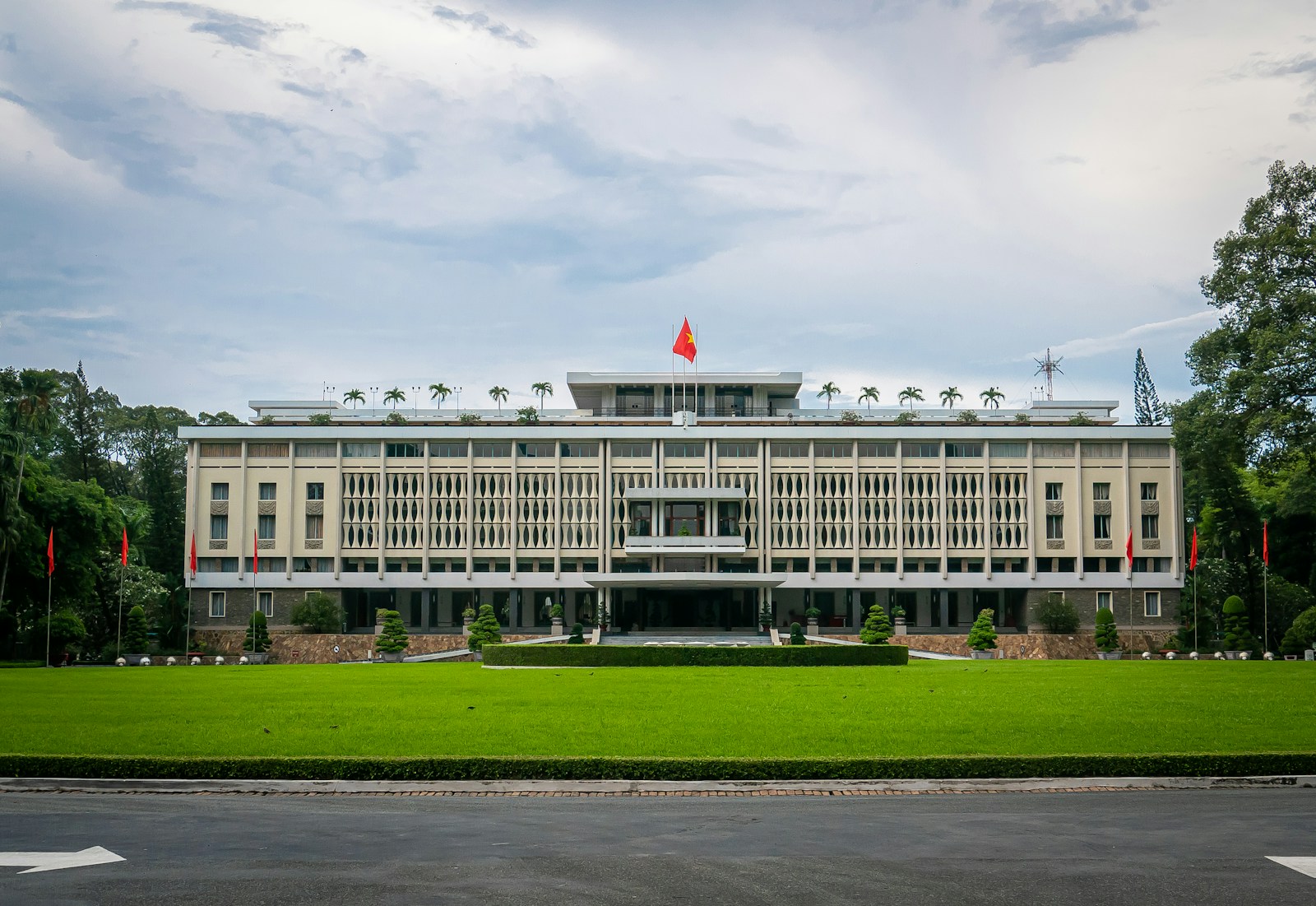
The policy layer above the city is moving in the same direction. A prime ministerial decision issued in November 2025 set a national target of lifting cultural industries to approximately 7 percent of GDP by 2030, and it names film and advertising among the priority sectors. The designation itself was celebrated on 21 November at the opening of the 24th Vietnam Film Festival, staged at Independence Palace in the centre of District 1. The venue was not an accident. The building is itself one of the most photographed filming locations in the country, and the city knows it.
Where filming locations in Ho Chi Minh City actually cluster
Strip away the ceremony and the location inventory sorts into a handful of zones that producers can price.
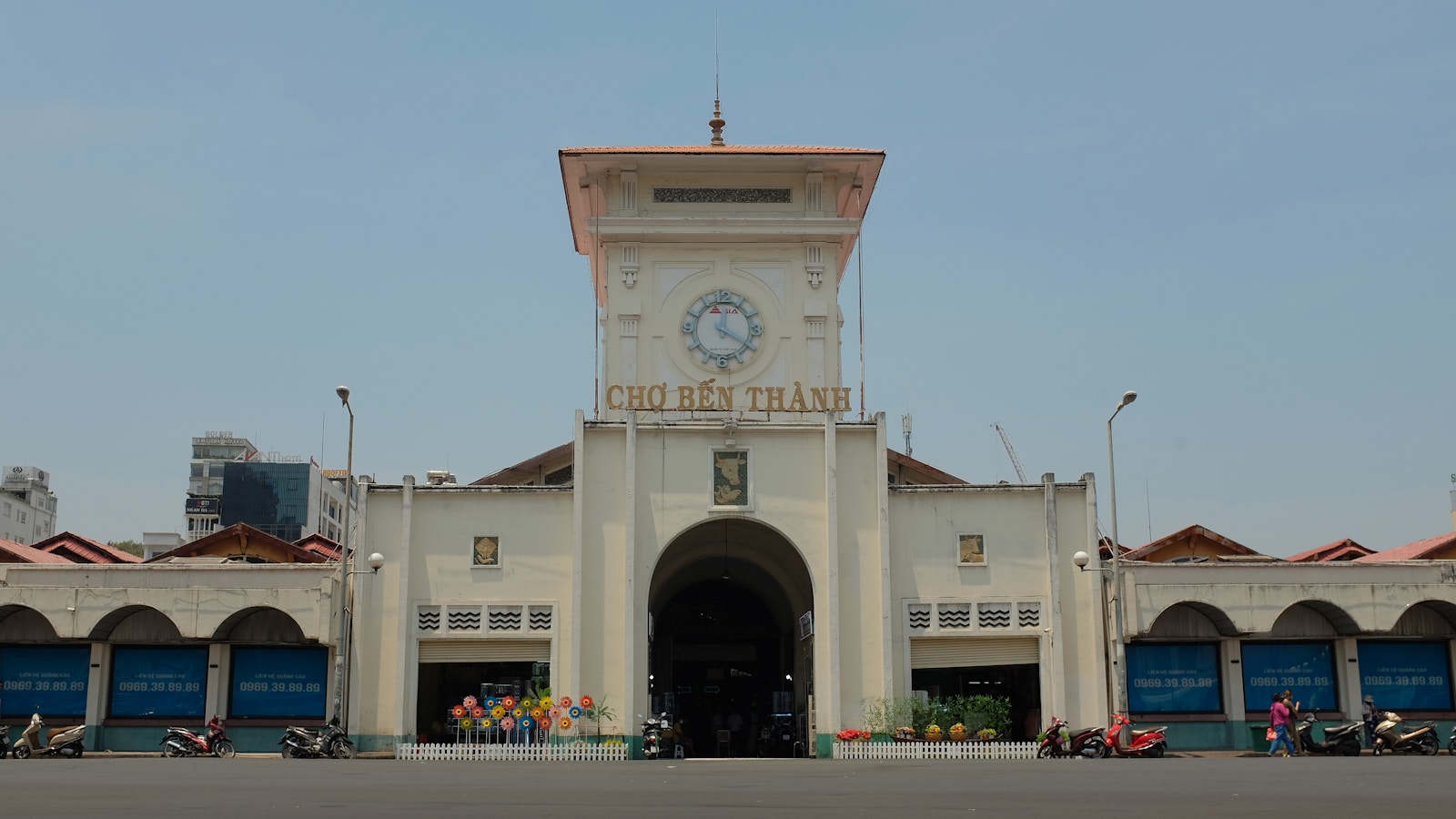
District 1 is the heritage core. Ben Thanh Market, the Opera House, the colonial administrative buildings and the rooftop lines above them sit inside a compact, walkable grid. What the district sells, in production terms, is contrast per square kilometre: a French colonial facade, a glass tower and a working market front can appear in the same company move. That density compresses schedules, and compressed schedules are a budget line.
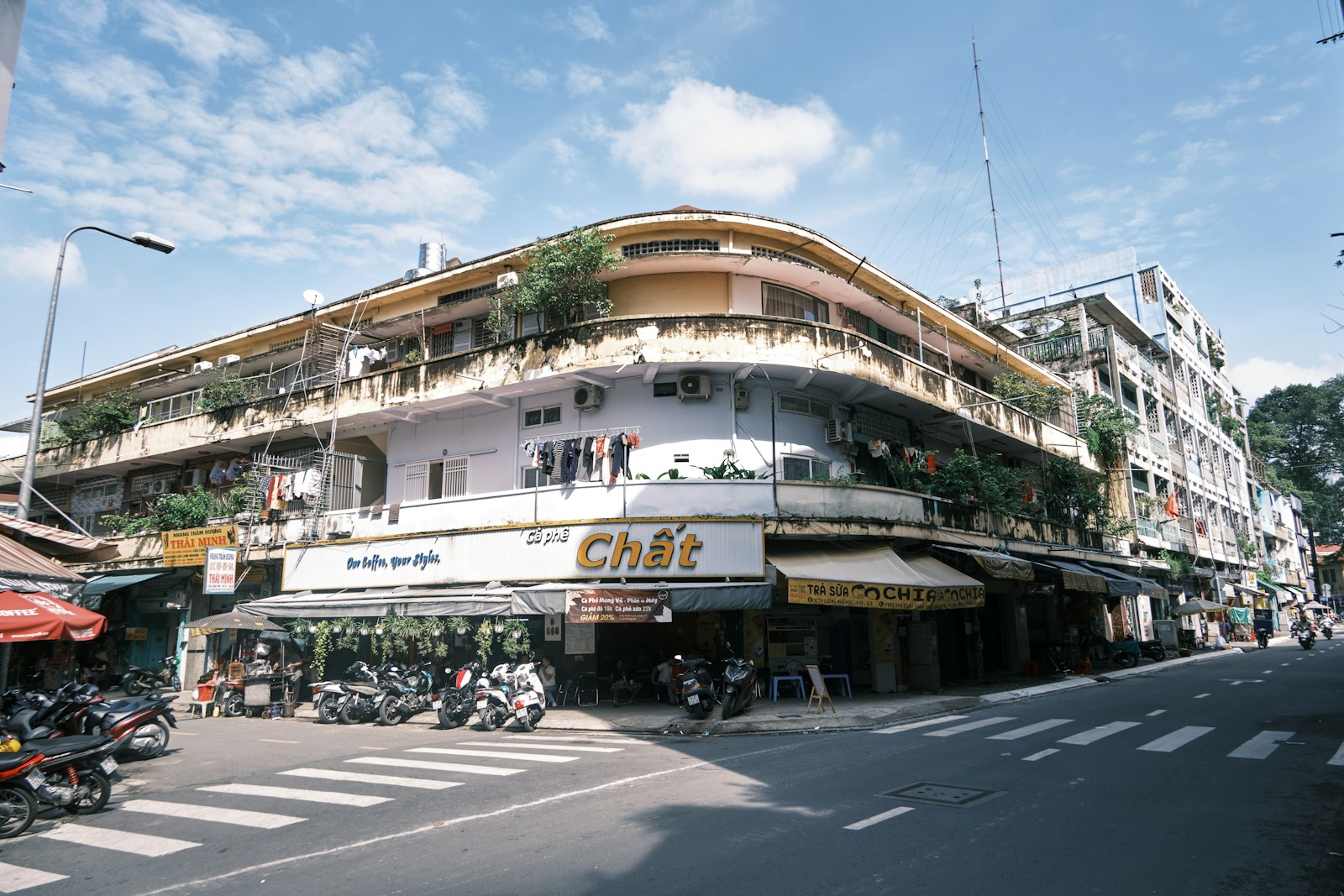
Cho Lon, centred on District 5, is the opposite asset. It is one of the oldest continuous Chinese quarters in Southeast Asia, a fabric of shophouses, guild temples and period streets that has never been interrupted. Art departments describe such districts as pre dressed. Accountants describe them as savings.
Thu Duc, the administrative city established on the east bank in 2021, supplies what the old core cannot: contemporary surfaces, university campuses, new infrastructure and room to control traffic. And along the Saigon River, the city has signalled where the next decade goes. Within its commitments to the UNESCO network, municipal authorities have outlined a creative park along the river together with investment in film studios, post production centres and digital distribution platforms, according to Vietnamese state media reports.
The honest reading is that the map is an inventory, not a promise. The zones exist and work today. The infrastructure that would bind them into a regional production offer is still on paper.
Access is priced regionally, not locally
No location decision in Southeast Asia is made against a single city. Thailand raised its film production cash rebate to as much as 30 percent from January 2025 and removed the cap, and the Thailand Film Office counted 491 foreign productions in the country in 2024, worth 6.58 billion baht in spending. Malaysia’s incentive stacks to an effective 30 to 35 percent on qualifying expenditure, according to industry reporting on the FIMI scheme.
Vietnam offers no comparable national cash rebate. Its pull is structural instead: a lower total cost base, an urban location inventory of unusual range, and now a policy direction with a UNESCO stamp on it. Foreign crews still work through a permit architecture that runs on ministry routing and lead times, a process documented in detail in the 2026 permit walkthrough for Ho Chi Minh City, and that process remains the single most cited planning constraint.
Capital flows suggest the direction of travel regardless. Ho Chi Minh City authorities reported 8.37 billion USD of registered foreign direct investment in 2025, up 24.2 percent year on year, with Singapore the largest single source. The composition of that capital is rotating toward knowledge and creative sectors, which widens the pool of brands that commission commercial work inside the city rather than flying it in.
What the map means for buyers
The demand side keeps growing into this geography. Dentsu’s forecasters put global advertising spend past the 1 trillion USD mark in 2026, and the same forecast has online video growing 11.5 percent year on year, roughly twice the pace of the total ad market. More video gets commissioned every year, and an increasing share of it is shot where cities can carry a brief from location to finished master without exporting the work.
That is where the location inventory meets the local industry the UNESCO dossier counted. Studios such as Hoang Films, a production studio in Saigon with more than fifty projects delivered over roughly three years, build commercial work directly on this map. Its StressMama Flying Jacket commercial, produced for the agency Adigart, is constructed around exactly the street fabric described above, the period blocks and traffic energy that no studio backlot reproduces at any price.
A UNESCO title does not pour concrete. Whether the creative park, the studios and the post production centres arrive on schedule will decide how far the designation converts into shoot days. What the label does confirm, for anyone comparing addresses in the region, is simpler: the locations already exist, a measurable industry already works among them, and the city has now said, in public and in writing, that it intends to keep both.