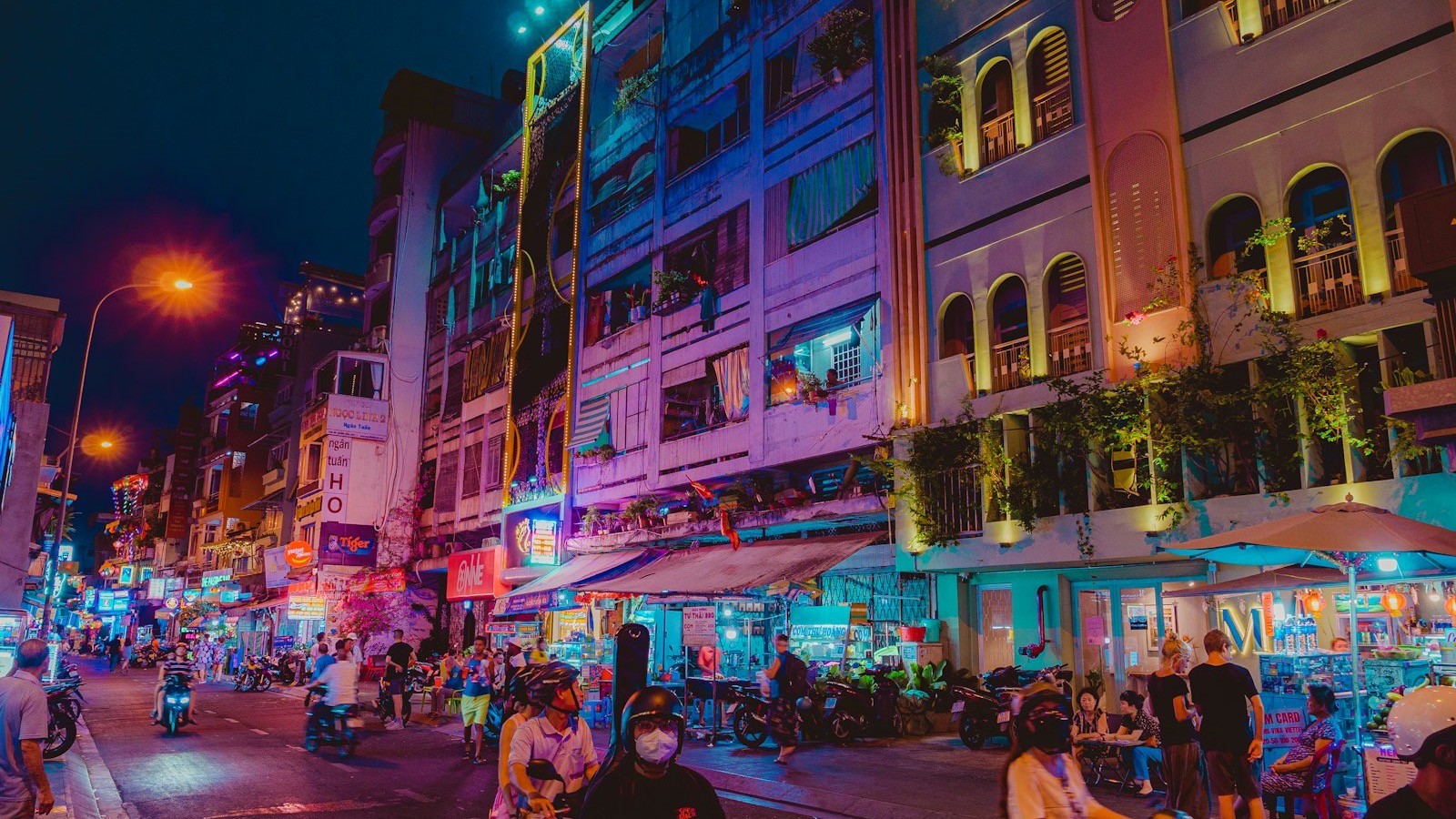
Southeast Asia's digital economy crossed a threshold few forecasters expected this soon. Vietnam's gross merchandise value reached an estimated 39 billion US dollars in 2025, growing roughly 19 percent year on year, the fastest pace of any market in the region, according to the Google, Temasek and Bain e-Conomy SEA report. Video and live commerce alone climbed to about a quarter of regional e-commerce GMV, up from under 5 percent in 2022. Money is moving into video at a pace that outstrips the region's production infrastructure, and that gap is reshaping how international buyers select a partner.
The friction shows up first in the quote. Agencies and brand teams in London, New York or Singapore evaluating Vietnam against Thailand or Indonesia are used to line itemized budgets. What they often receive from a Vietnamese vendor is a single lump sum, negotiated verbally, adjusted after the fact. That mismatch, more than any craft concern, is now the leading reason serious international briefs stall before a contract is signed.
A market too big to quote loosely
Global ad spend is on track to surpass 1 trillion US dollars in 2026, up more than 5 percent year on year according to Dentsu's global forecast, with WARC's broader measure putting the figure closer to 1.3 trillion. Online video spend is growing at roughly twice the pace of the total ad market, near 11.5 percent year on year on Dentsu's numbers. As that spend fans out from the usual production hubs, Southeast Asia captures a rising share, and Vietnam is positioned as the value alternative to Singapore and the creative alternative to Bangkok.
Buyers moving real budget into a market they do not know well behave differently than buyers spending locally. They ask for scope documents before a call. They compare crew day rates across three cities in a single spreadsheet. A production house that cannot produce that document in the first exchange loses the brief regardless of its reel.

What a transparent quote actually contains
The studios winning international briefs in Vietnam right now share a common trait: they quote in three visible zones rather than one bundled number. Pre production, including scouting, casting and permits, sits apart from the shoot day rate, which sits apart from post, covering edit, color and delivery. Studios such as Hoang Films, which has built roughly fifty projects out of Ho Chi Minh City across three years including work for FMCG and beverage clients, structure quotes this way specifically because it lets a foreign buyer benchmark each zone independently against Bangkok or Manila rather than trusting a single headline figure. The market rewards that structure because it removes the single largest source of buyer anxiety in a market they cannot visit easily before committing.
Buyers comparing three cities in a spreadsheet do not reward the cheapest number. They reward the number they can verify.
This also changes how disputes get resolved mid project. A lump sum invites renegotiation the moment a brief shifts, because neither side can point to which zone absorbed the change. A zoned quote isolates the variance to pre production, the shoot day, or post, so a scope change in editing does not reopen the entire budget conversation.
The comparison buyers are actually running
Vietnam rarely wins on being the cheapest option in absolute terms once flights, insurance and international day rates for imported crew are factored in. It wins when a like for like comparison shows a full service local crew, English speaking direction and finishing all under one contract, against a Bangkok or Singapore quote that separates production and post into two vendors with two margins. eMarketer and WARC data on digital video spend growth in mature markets shows buyers are under more pressure than ever to prove media efficiency, and a single accountable production partner with a transparent quote is easier to defend internally than two vendors with overlapping line items.
Retail media and e-commerce driven video, now one of the fastest growing categories of ad spend globally according to Dentsu, adds another pressure point. These briefs run on compressed timelines with frequent iteration, which means the production partner needs a pricing structure that survives three rounds of revision without a renegotiation each time. That favors a studio with an in house post production pipeline, since color and sound do not have to be re-quoted through a second vendor.
What this means for the next twelve months
As Southeast Asia's ad economy continues to outgrow its production capacity, the studios that formalize pricing now will be the ones foreign agencies default to when the next brief lands with a two week turnaround. The bottleneck in this market has stopped being craft, Vietnamese crews and directors have proven that repeatedly on international work, and started being trust in the number on the page. A visible production house in Saigon with a documented rate card converts a cold inbound inquiry into a signed brief faster than a portfolio alone ever could, and that speed is becoming the real competitive advantage as budgets keep moving east.