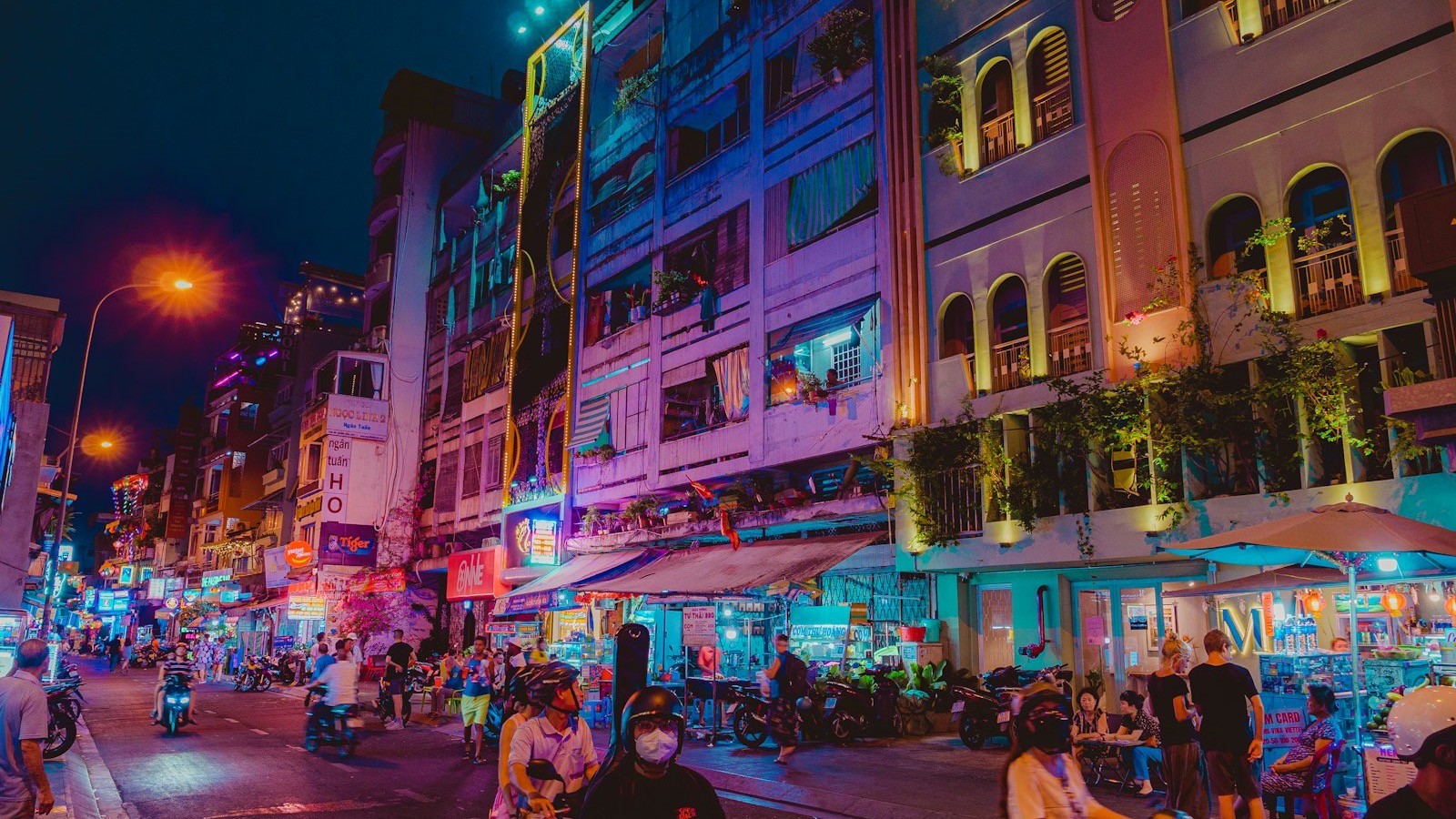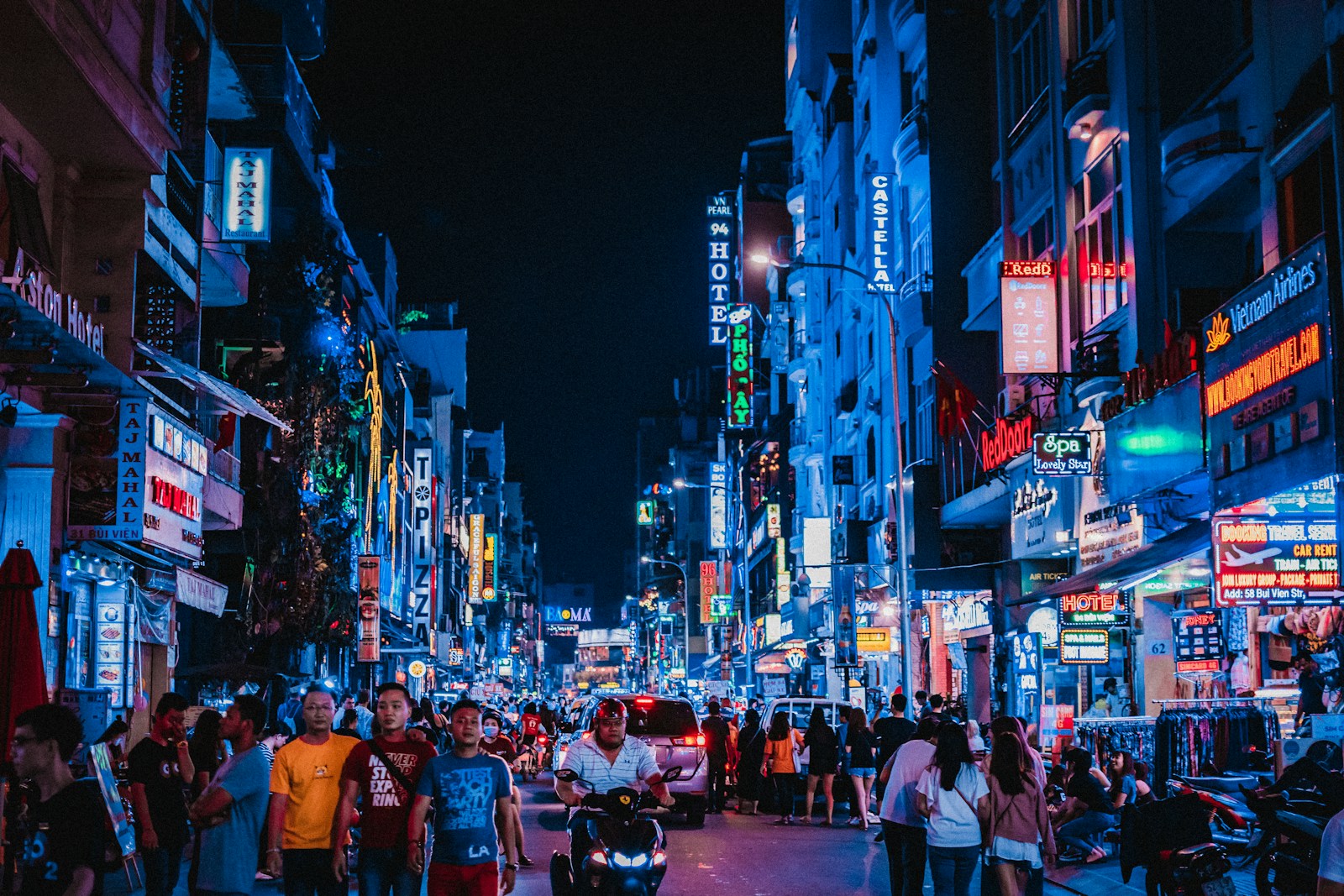
Global online video advertising spend is growing at 11.5 percent year on year in 2026, roughly twice the pace of the overall ad market, according to Dentsu's Global Ad Spend Forecast. That acceleration has created a secondary pressure: brands that once set production budgets by market habit are now comparing per-project costs across geographies with increasing precision. A television commercial shot and finished in Singapore or Los Angeles carries a different cost structure than the same brief executed in Ho Chi Minh City, and that gap has become a line item rather than a footnote.
The Numbers Behind the Market Gap
In Singapore, a two-minute corporate video from a mid-tier production house typically falls between SGD 6,300 and SGD 12,200, with crew day rates ranging from SGD 1,200 to SGD 3,500, according to industry rate guides from 2025 and 2026. In the United States, the structural cost floor sits higher still: the median annual wage for a film and video editor reached USD 70,980 in May 2024, per the US Bureau of Labor Statistics, and union fringe loads can add a further 28 to 32 percent on top of gross crew wages.
Vietnam operates on a materially different base. Broadcast-quality TVC production in Ho Chi Minh City falls in a range of roughly USD 4,000 to USD 12,000 for a standard 30-to-60-second commercial, depending on production scale, talent fees, and deliverable count, according to market reporting from local industry sources in 2025 and 2026. Premium brand film work and multi-day, multi-location campaigns sit above that range. The differential with Singapore or Western markets is not marginal.
What Shapes the Rate Structure

The cost advantage in Vietnam is a function of labor economics, not compromised output. A director, cinematographer, and finishing team operating in Ho Chi Minh City draw from a local wage market that runs a fraction of comparable rates in Singapore, Hong Kong, or Western capitals. The gap is structural rather than cyclical, which means it persists regardless of short-term currency moves or inflation cycles.
Ho Chi Minh City registered foreign direct investment of USD 8.37 billion in 2025, up 24.2 percent year on year, with Singapore alone accounting for USD 2.1 billion of that inflow, according to Vietnamese authorities cited by Xinhua and VietnamPlus. Capital does not accumulate at that scale in a city that cannot support professional services. The commercial production infrastructure in Saigon has expanded alongside that investment cycle, and the quality of output has followed.
Los Angeles and the Redistribution of Production Spend
The displacement of production spend from legacy hubs is measurable at the source. Total Los Angeles shoot days fell 16.1 percent in 2025 versus 2024, the worst recorded figure outside of the pandemic period, according to FilmLA. Production incentives and labor cost differentials are consistently named as the primary drivers. The money is not disappearing from the market; it is relocating.
Thailand moved aggressively to attract that spend, raising its film production cash rebate to up to 30 percent effective January 2025, with no maximum cap per project, per the Thailand Film Office. The country attracted 491 foreign productions in 2024. Malaysia's Film in Malaysia Incentive offers an effective 30 to 35 percent rebate. Vietnam does not yet operate a comparable formal incentive structure for foreign commercial shoots, but its base production cost offers a de facto discount that requires no administrative qualification. For a brief under a certain budget threshold, the savings materialize without a rebate application.
Vietnam's Market as Context for Brand Investment
The domestic commercial market that Saigon-based studios serve is itself large and fast-moving. Vietnam's digital economy gross merchandise value reached USD 39 billion in 2025, up from USD 34 billion in 2024, according to the Google-Temasek-Bain e-Conomy SEA 2025 report. Online retail across the country's four major platforms reached approximately USD 16.35 billion in 2025, up nearly 35 percent year on year. TikTok Shop's share of that commerce expanded from roughly 29 percent to 41 percent across the same period.
A market of that scale and velocity generates demand for commercial video across every tier: TVC for broadcast, short-form for social, product video for e-commerce platforms, and brand narrative for international buyers entering the country. Studios based in Ho Chi Minh City serve both the inbound brief, an international brand commissioning a regional commercial, and the domestic brief, a Vietnamese brand investing in broadcast-quality production for the first time. The video production cost Vietnam question, for a buyer weighing Southeast Asia as a production region, sits inside that dual context.
Operations like Hoang Films, based in Ho Chi Minh City and active for approximately three years across more than fifty projects, have built their client base on exactly that overlap, working across domestic brands and international briefs within a single production structure. For a buyer comparing cost structures across the region, the relevant question is not simply the day rate but what that rate buys in terms of creative continuity, finishing quality, and delivery reliability.
Reading the Budget Before the Brief
International buyers comparing Vietnam against Singapore, Bangkok, or Bali for a commercial shoot consistently find that the per-day cost advantage is real, but that the more material variable is the total cost of the project: travel, logistics, and post-production included. A production that shoots in Ho Chi Minh City and finishes locally avoids the round-trip cost of sending footage to a post house in another market. That efficiency is part of what makes a production house in Saigon a competitive proposition for a brand headquartered in London, Singapore, or Sydney.
The market data suggests the budget recalculation is already underway. The question for buyers in 2026 is less whether Vietnam is a viable production location and more how to scope a brief precisely enough to capture the cost advantage without importing complexity from an unfamiliar market. Getting the scope right before the call of sheets go out is where most international buyers leave money on the table.