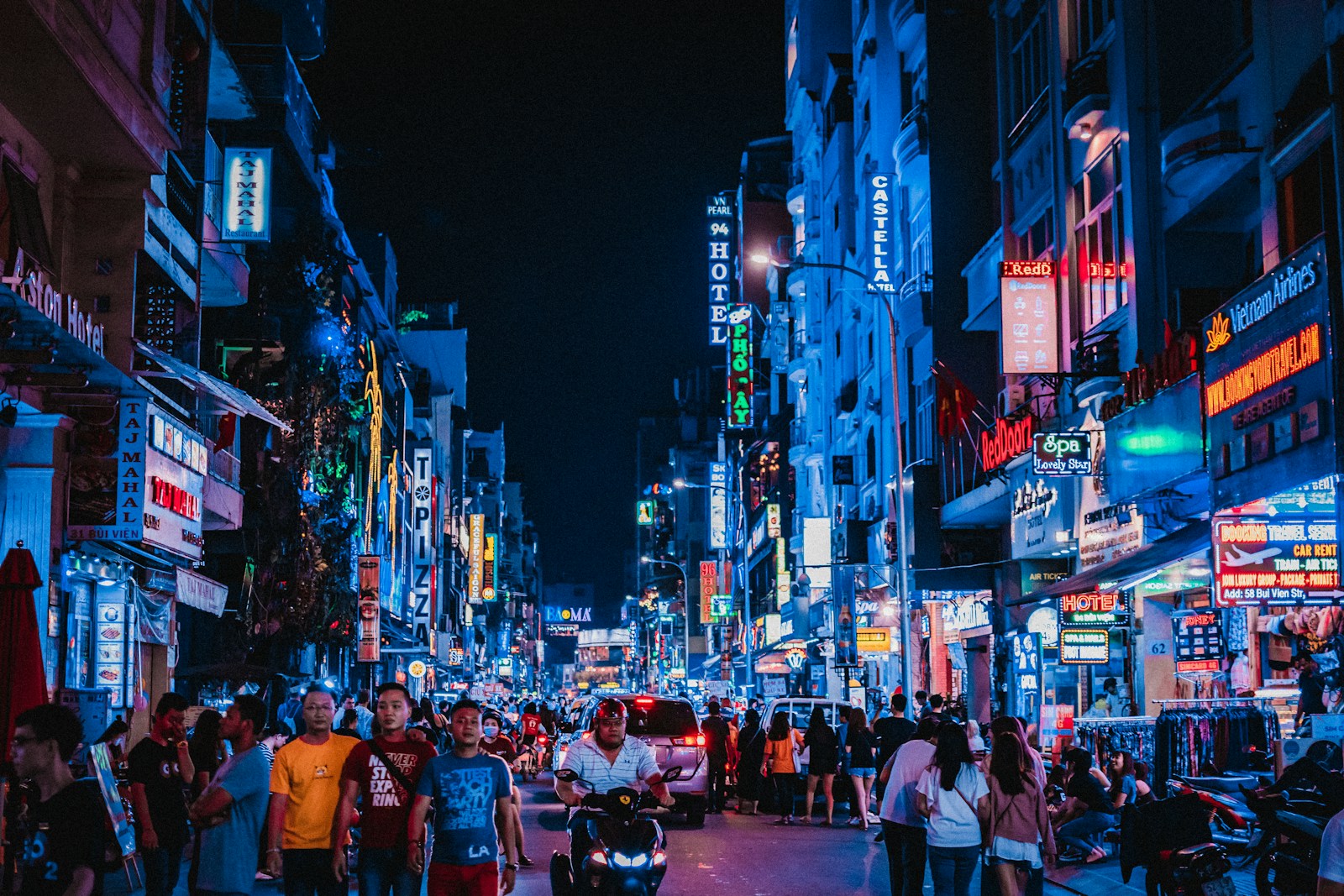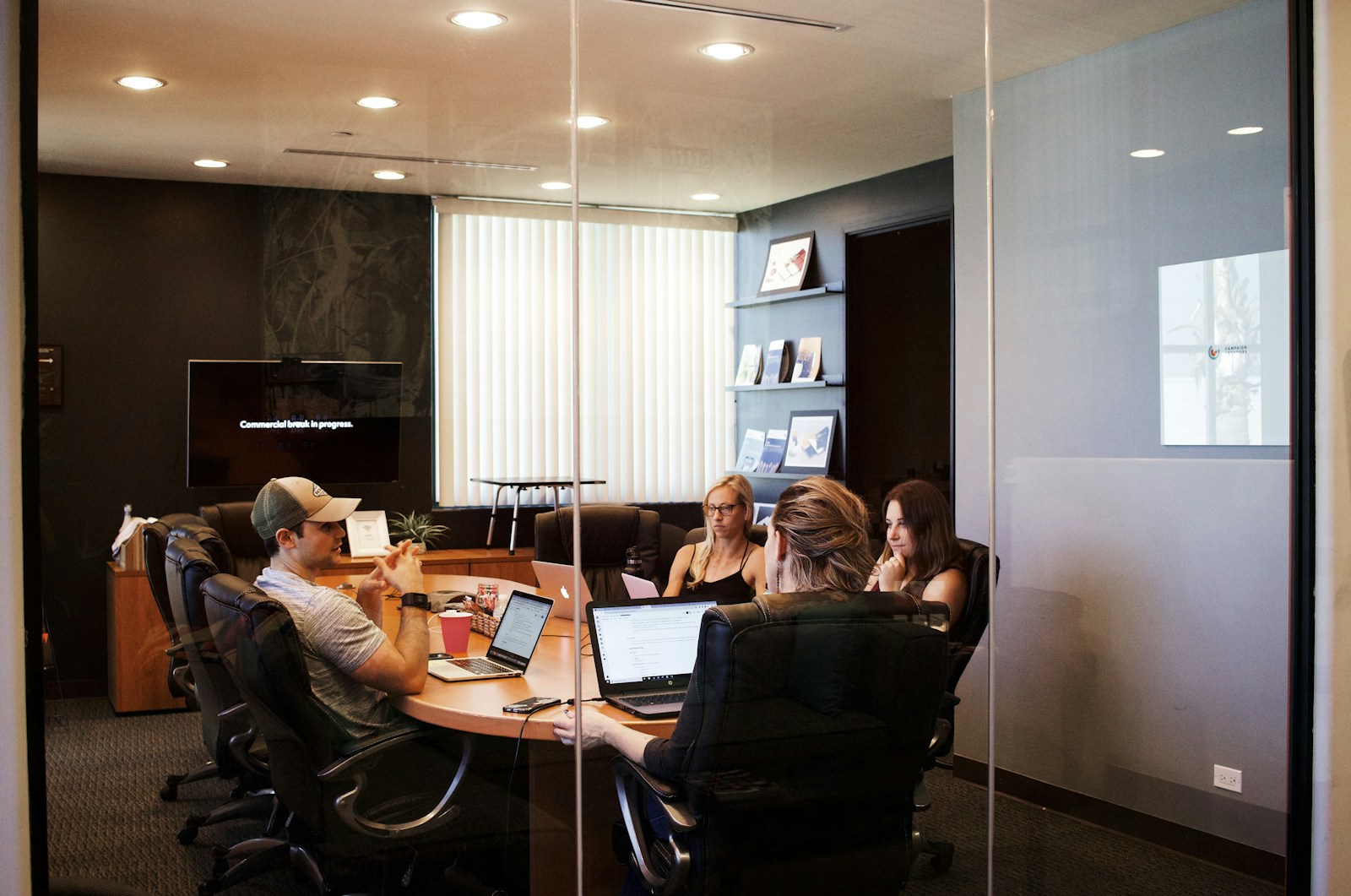
International advertising spend crossed the one trillion dollar mark in 2026, according to Dentsu's Global Ad Spend Forecast, and the fastest moving slice of that capital is video. Online video advertising is growing at 11.5 percent year on year in 2026, roughly twice the pace of the total market. That pace is not an accident of the streaming cycle. It reflects a structural shift in how global brands allocate communication budgets: away from broadcast and static formats, toward premium moving image content that performs across platforms.
That shift is also reshaping the structure of production relationships. The question of who makes the film has become inseparable from the question of where it is made and at what total cost. In Southeast Asia, a specific response is taking shape.
The Integrated Brief and the Studio That Can Hold It
Procurement teams at international brands are consolidating creative and production relationships. The fragmented model, in which a creative agency, a production company, and a post production facility each operate under separate contracts, is giving way to a preference for integrated partnerships. Online media advertising in Southeast Asia grew 16 percent year on year in 2025, according to the Google, Temasek and Bain e-Conomy SEA report. That volume of spend demands production throughput that a fragmented supply chain struggles to deliver consistently.
The integrated brief asks a precise question: which studios can take a project from concept to finished deliverable without requiring additional vendors to be engaged at the post production or delivery stage? The answer is narrowing the competitive field across the region. It is also raising expectations for what a production house in Saigon must demonstrate to international buyers who have historically defaulted to Bangkok or Singapore.
Vietnam's Advertising Economy and the Demand It Generates
Vietnam's total advertising market reached approximately 2.74 billion USD in 2024, with digital advertising growing at a compound annual rate exceeding 14 percent through the remainder of the decade, according to market analyses across industry publications. That rate outpaces most regional peers. The country's broader digital economy reached a gross merchandise value of 39 billion USD in 2025, up from 34 billion the previous year, with online media accounting for 6 billion USD of that total, as measured by the e-Conomy SEA 2025 report from Google, Temasek and Bain.
Social media advertising spend reached 398 million USD in 2025, a 12 percent increase year on year, according to the We Are Social and Meltwater Digital 2025 Vietnam report. The country has 76.2 million social media user identities, representing 75.2 percent of its population. For international brands assessing where commercial video spend generates the most reach per dollar of production cost, that density is a meaningful factor in the brief.
The scale of the domestic consumption market also creates year-round demand for commercial video at a professional level, sustaining crew capacity and production infrastructure in ways that purely export-facing markets cannot.
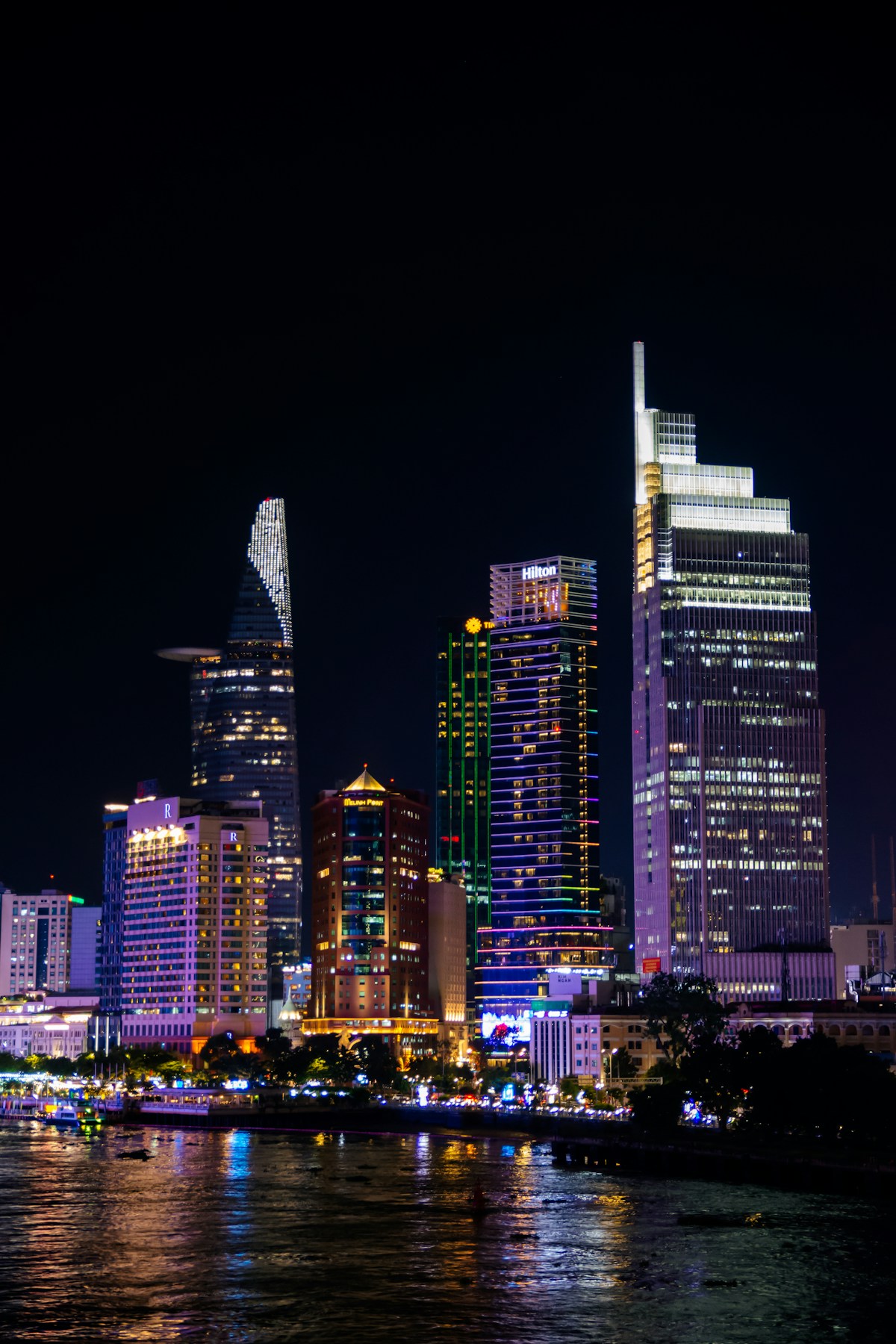
Ho Chi Minh City: Capital Following Commerce
Ho Chi Minh City registered 8.37 billion USD in foreign direct investment in 2025, a 24.2 percent increase year on year, with Singapore the largest source at 2.1 billion USD, according to Xinhua and VietnamPlus citing local authorities. Each international brand or holding company establishing a presence in the city becomes a potential buyer of commercial video, branded content, and product film. That demand has accumulated steadily over the past several years, and it is beginning to show in how regional production budgets are allocated.
The creative sector is gaining formal institutional support alongside it. Vietnam's national cultural industry strategy, established under Prime Ministerial Decision No. 2486/QD-TTg in November 2025, targets the creative economy at approximately 7 percent of GDP by 2030, with film and advertising named as priority sectors. That policy context shapes investment conditions, talent pipeline development, and the terms under which international production partnerships are structured.
A full service production studio in Ho Chi Minh City sits at the intersection of these forces: a commercial capital with a large consumer base, a mobile first advertising market, and a production cost structure that compares favourably to Bangkok or Singapore. Studios that hold creative development, production, and finishing under a single roof are not simply offering convenience. They are offering a logistical answer to the international brief that cannot afford revision cycles spread across multiple vendors and time zones.
The Regional Calculus for Buyers
For procurement teams comparing Southeast Asian production destinations, the shortlist typically runs between Bangkok, Kuala Lumpur, Singapore, and, increasingly, Ho Chi Minh City. Thailand made its positioning explicit in January 2025, raising its production cash rebate to up to 30 percent, according to the Thailand Film Office, and attracted 491 foreign productions in 2024. Singapore offers infrastructure and financial stability; its constraint is cost, with corporate video day rates among the highest in the region.
Vietnam offers a different equation. Total production cost sits below Bangkok for comparable crew scope. The domestic market is large enough to maintain professional crew quality at full year volume. The gap between Saigon and Bangkok on capability has narrowed in recent years. The gap on price remains real.
Studios like Hoang Films, operating as a full service production house in Vietnam from Ho Chi Minh City, represent one answer to the brief consolidation question. The model, holding creative, production, and finishing in a single studio, addresses the practical concerns of an international buyer weighing a Saigon partnership against a Bangkok alternative. The work is the argument. The market is still deciding whether to pay attention.